

Crvena zvezda beat Radnički 1923 3:0, with Bamba Dieng, Stefan Gudelj and Marko Arnautović all finding the net after the interval. A result only carries its full weight once it is set against the conditions, the strength of the opponent and the stage of the competition. Here the key points are the confirmed performance and its immediate consequence for what comes next, while any forecast is kept apart from the facts. The next outing will show how far this advantage carries over into a different test. For that reason, the link between the confirmed performance and the next challenge matters more than any single standout moment.
At the Čika Dača Stadium the first half ended goalless before Dieng opened the scoring in the 48th minute. The difference is clearest in the process: who sets the terms, who has to give ground first and how quickly a correction arrives. Two similar scorelines can come from very different quality of play. The analysis therefore looks for a cause that can be reproduced, rather than an explanation built only on the final move. The order of the key phases shows where the gap opened and how long control really lasted.
Dieng’s goal changed the course of the match in Kragujevac
After the break the visitors sped up the ball movement, pressed earlier for second balls and exploited the space behind a Radnički line that had to push higher. A plan has to be clear enough to carry out under pressure. The first option uses the biggest advantage, and the reserve option must answer the rival’s most likely reaction. Adding new tasks without a clear reason slows decisions; a good adjustment changes only the part that is not working and keeps what is already producing results. The quality of a plan shows in how quickly decisions are made, how roles stay clear and where players stand after a failed attempt.

The early departure of Čam and the changes made by both sides could have disturbed the shape of the game, but Zvezda did not let the hosts build a long spell of pressure after conceding. Managing risk determines how long a plan can hold. A neutral outcome sometimes preserves position, energy or possession for a better chance, while forcing the issue without preparation opens the door to a counterattack. The balance between gain and danger shifts with time and the scoreline, so the same decision is not equally sound at the start and in the closing stages. Discipline is measured by how often danger is recognised before it turns into a costly mistake.
Zvezda kept control of the space after taking the lead
Goals came in the 48th, 58th and 88th minutes, which shows that the decisive gap opened straight after the break and was sealed late in the match. These figures make it possible to check a conclusion after the events. The final score shows the outcome, but only a comparison by periods reveals where the advantage was built and whether it can be repeated. It is especially useful to separate the opening plan from decisions made when tired, because that is where the stability of technique and the quality of preparation become visible. Read together, these measures separate a sustainable advantage from a short run or a chance deviation.
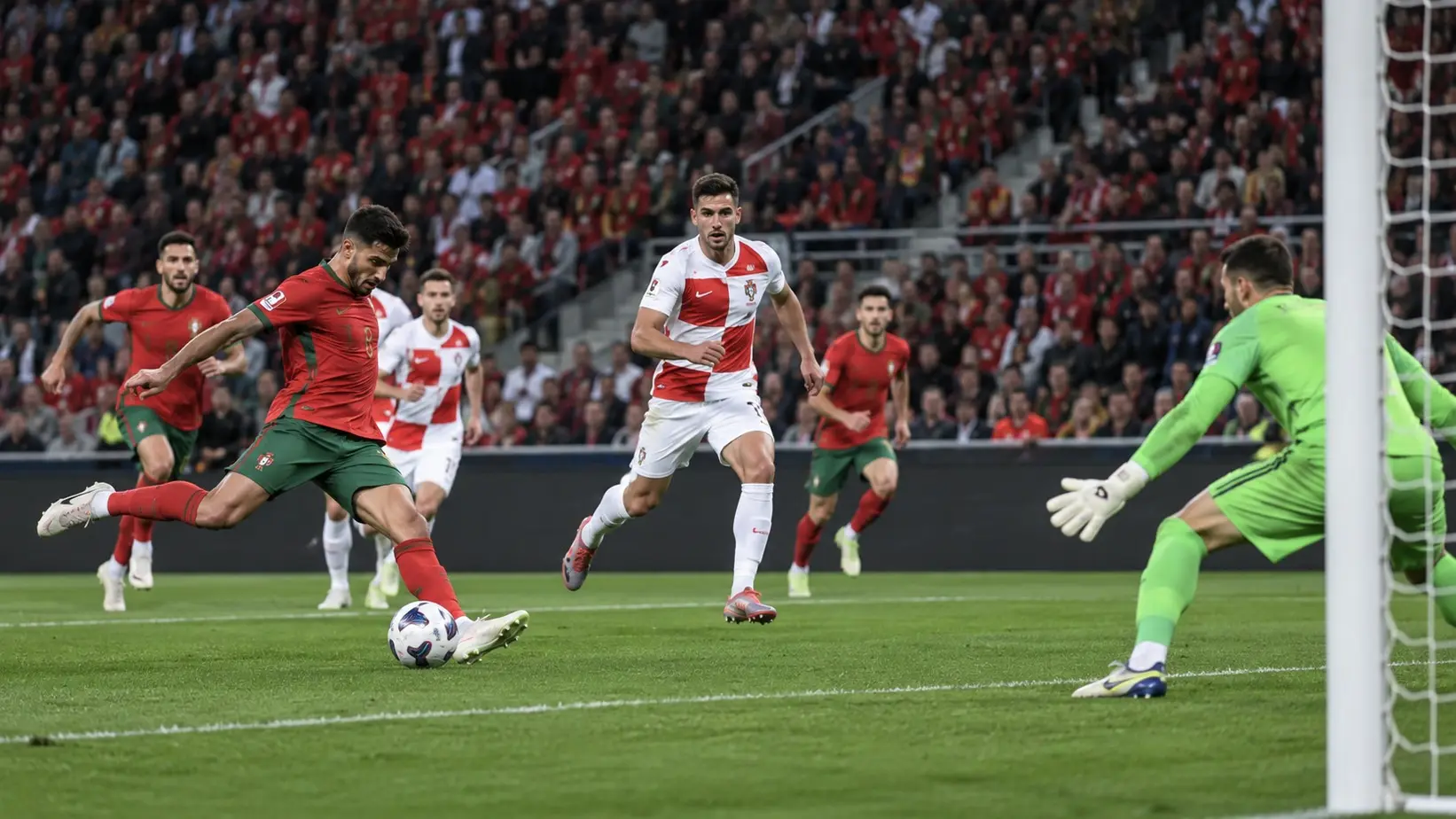
The three points keep Zvezda’s rhythm at the top, while Radnički must improve its response after conceding first. The significance does not end with the last point or decision. A good performance opens a new opportunity, but consistency is what confirms that the change can last. A weaker result can still be useful if it produces two or three precise tasks. Changing everything at once usually hides the real cause and makes the next check harder. The next outing therefore becomes a concrete test of continuity, not just another entry on the calendar.
The scoreline looks convincing, but the most valuable lesson is Zvezda’s correction at half-time that opened up the match. The conclusion must therefore stay tied to the evidence currently available. The best next check uses the same control points in different conditions, so it becomes clear what belongs to the quality of the side and what to the circumstances. Repeating a good pattern against a new challenge gives the assessment more weight than a single striking moment. The final judgement remains tied to the same set of indicators and the next comparable official result.