
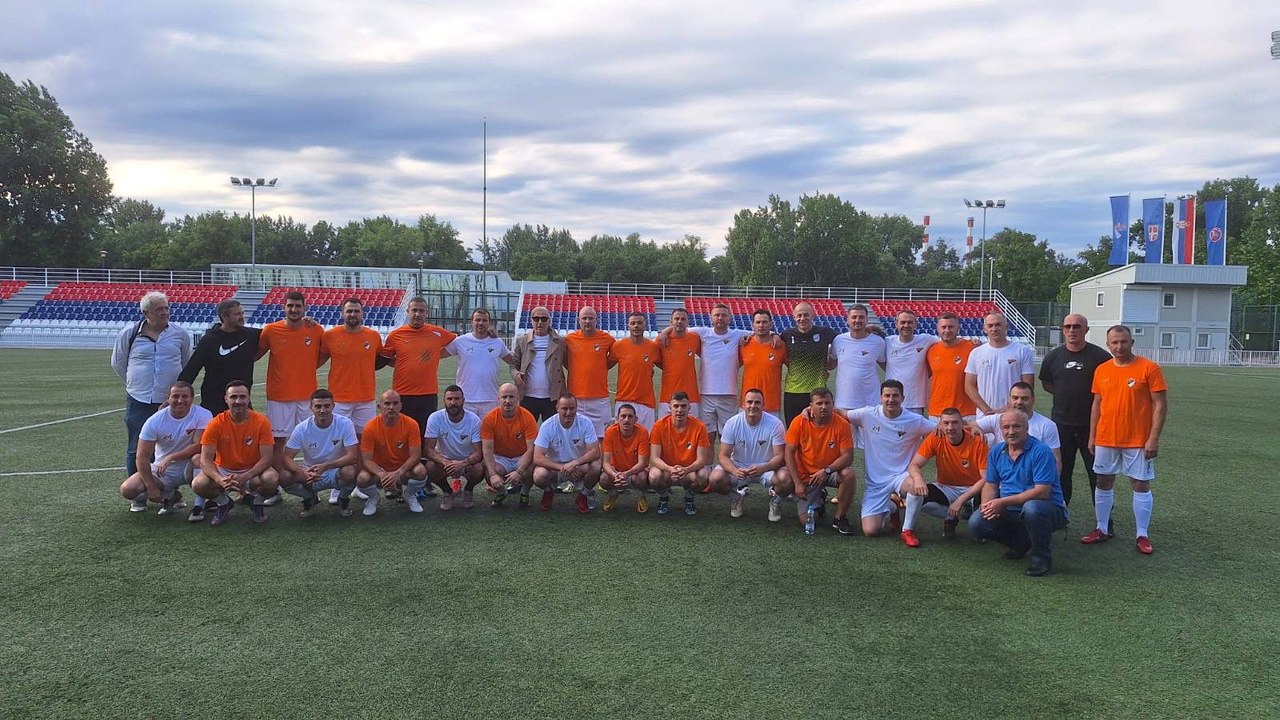
Veterans’ football needs more than nostalgia
Veterans’ football can easily stay at the level of occasional friendly matches, local pride and reunions of old teammates. The Belgrade Football Association’s project points in a more serious direction. When the category is given a clearer framework, former players stay part of the football system rather than becoming mere memories.
This matters for Serbian sport because football culture does not stop when someone finishes competing at senior level. Veterans carry the club’s memory, the ties within the community and practical knowledge of how local football actually works.
If everything is left to improvisation, that capital slowly slips away. If it is organised, it can help clubs, younger players and the veterans themselves stay connected to the pitch.
The project’s framework
| Organiser | The Belgrade Football Association is developing the veterans’ football project. |
|---|---|
| Aim | To give former players a clearer place in local football life. |
| Value | Linking generations, clubs and the community through a more orderly format. |
| Risk | Without a schedule, health standards and clear communication, the project could slip into informality. |
| Serbian angle | Belgrade can offer a model that other associations can adapt. |
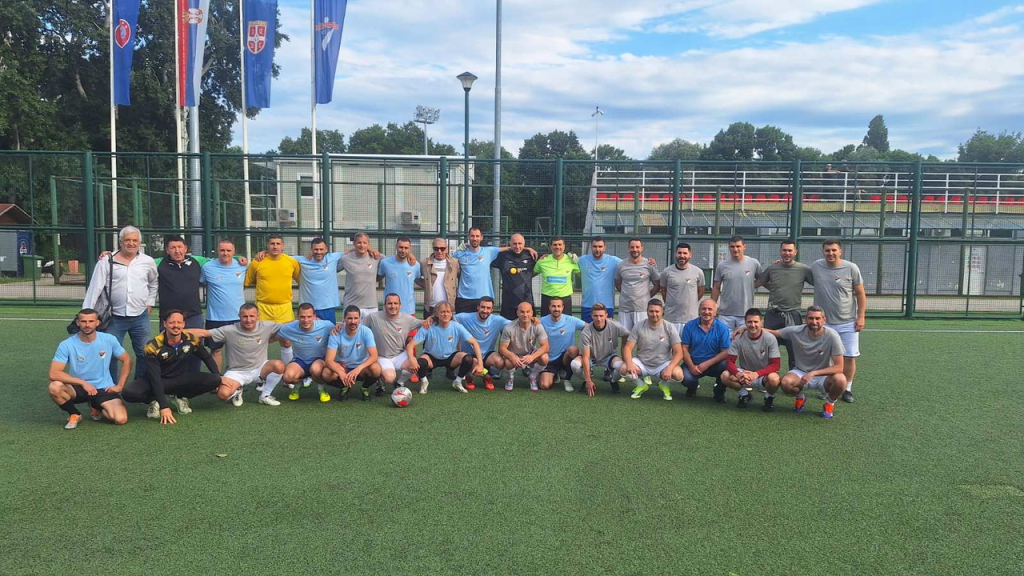
Local play gets a bridge between generations
A good veterans’ programme can bring generations together in a way an ordinary match cannot. Younger players see that the club does not forget the people who carried it. Older members stay close to the grounds, the fixtures and the working atmosphere. The community gains events that carry emotion but also a clearer order.
Such a bridge is especially important in smaller clubs. There, former players often help with organisation, children, equipment or contacts. If they are consistently present through the project, the club does not have to win them back from scratch every time.
Veterans’ football, then, is not simply an extra category. It is a way of keeping the human network that makes local sport feel alive, even when the first team is not achieving big results.
Belgrade could set a useful Serbian model
The Belgrade framework has the chance to become an example for other areas. The key condition is that the project does not remain just an attractive headline. Clubs need to know the format, the dates, the entry requirements and the basic rules. Veterans need to know they are entering an organised system, not a one-off initiative.
If that part is clear, the model can spread. Every association has its own capacities, but the idea is transferable: former players gain a competitive and social space, clubs gain stability, and local audiences gain one more reason to stay with football.
In Serbian conditions this is particularly useful, because clubs often depend on people who handle many jobs at once. Veterans can be part of the solution if they are given the right place.
The standard must cover health and scheduling
The core of any veterans-oriented project is responsibility towards the people who play. Clear timetables, a fair rhythm of matches, basic medical rules and realistic limits on workload are not bureaucracy. They are the conditions that let the project last without unnecessary risk.
If the calendar becomes too crowded or matches are organised without clear conditions, a good idea can quickly lose trust. Veterans want competition and camaraderie, but they need a format that respects their age, their commitments and their health.
The quality of the project will therefore depend on details that are not the most visible in photographs. Rules, communication and scheduling discipline will decide whether clubs genuinely come to trust the system.
The value is both cultural and practical
The best version of the Belgrade project brings two kinds of benefit. The cultural one lies in showing that football remembers its people. The practical one lies in keeping former players close to clubs, where they can help through experience, contacts and presence.
That is no small thing. Local sport grows when people have reasons to come back, not only when the first team wins. A veterans’ project can create exactly that reason, provided it is well organised and open enough.
If the Belgrade Football Association maintains that balance, the project will not be just a charming initiative. It will become part of the infrastructure of Serbian grassroots football, which is a far more serious and useful goal.
The real effect will only become visible once clubs start treating veterans as permanent collaborators rather than guests at a single event. Then the project can help with football schools, local tournaments and club days that bring families together.
That is why communication matters as much as the pitch. When every participant knows the rules, the schedule and the purpose, veterans’ football earns trust. Without that, it remains a nice photograph. With it, it becomes a real part of the football base.
It is this move from an occasional event to a lasting structure that gives the project its greatest value.