

West Indies claimed the last match on 8 October, confirming greater depth with the bat and more reliable bowling options. That fact sets the starting point for the analysis. Further conclusions only make sense once it is clear what has been officially confirmed, what depends on the next outing and which detail could change the picture first. The order matters: the event comes before interpretation, and an expectation must not be presented as a settled outcome. For that reason, the next official update should confirm exactly the consequence now flagged as decisive.
The visitors held their rate better through the middle overs, while the hosts had good individual spells without enough long partnerships. The wider context shows that one striking moment is not enough to judge the whole performance. A sound plan stays recognisable even when the rival responds, the tempo drops or conditions change. It is therefore more useful to look at a chain of connected decisions than to single out the final action that remained in the result. Such a reading gives the reader a basis to understand both the result and the choices that preceded it.
Control in the middle overs made the difference
The winners’ batters only changed tempo after a bowling error, while their bowlers combined pace, angle and slower deliveries. A plan has to be clear enough to carry out under pressure. The first option uses the greatest advantage, and the back-up must answer the rival’s most likely reaction. Adding new tasks without a clear reason slows the decision; a good adjustment changes only the part that is not working and keeps what already delivers the result. Execution is then judged by the clarity of the decision, the speed of reaction and the quality of the position after the attempt.
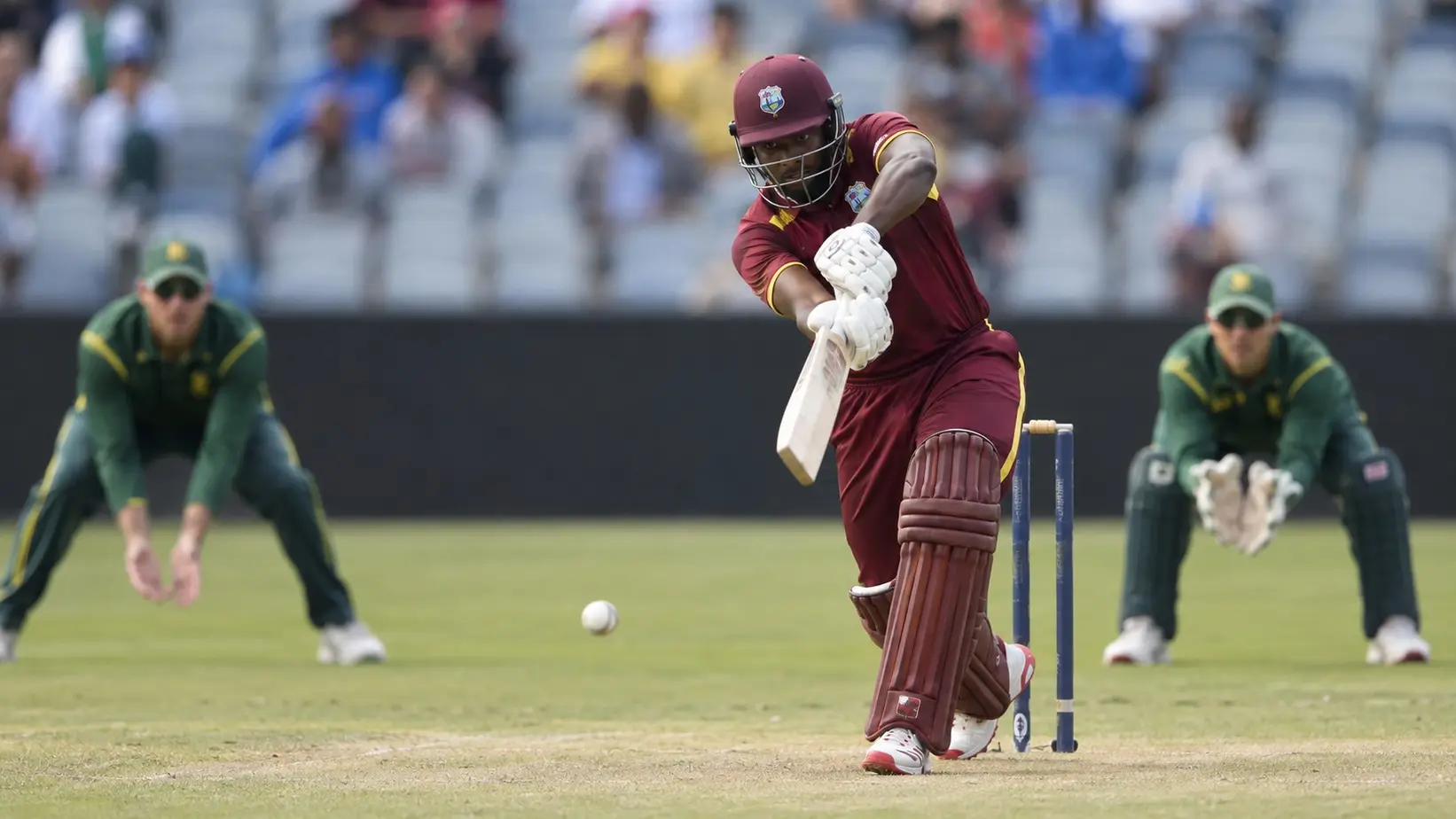
After losing the first wicket, Zimbabwe too often allowed a run of dot balls, so the new batter came in under an excessive demand straight away. Risk management decides how long a plan can survive. A neutral outcome sometimes preserves position, energy or possession for a better opportunity, while forcing the pace without preparation opens the door to a counter. The balance between gain and danger shifts with time and the score, so the same decision is not equally sound at the start and at the close. The true measure of discipline will be how often danger is recognised before it turns into damage.
Zimbabwe must turn good starts into a complete innings
The analysis should measure dot balls, running between the wickets, partnerships after the first fall and the output of the middle overs, not only the highest individual total. These figures allow the conclusion to be checked after the event. The final score shows the outcome, but only a comparison period by period reveals where the advantage was created and whether it can be repeated. It is especially useful to separate the opening plan from decisions made under fatigue, because that is where the stability of technique and the quality of preparation show. If the values are read in sequence, it will be clear whether the change was planned, temporary or accidental.

A clean series lifts the visitors’ confidence, but obliges them to repeat the same decisions against a more accurate and deeper attack. The significance does not end with the last run or decision. A good performance opens a new opportunity, but consistency is what confirms that the change can be sustained. A weaker result can still be useful if it produces two or three precise tasks. A broad change to everything usually hides the real cause and makes the next check harder. That follow-up gives today’s news lasting value and links the immediate outcome to the next realistic goal.
West Indies deservedly controlled the series; for Zimbabwe, progress will come from longer partnerships and clearer judgement on when to attack and when to protect a wicket. The conclusion must therefore stay tied to the evidence currently available. The best next test uses the same checkpoints in different conditions, so it can be seen what belongs to quality and what to circumstance. Repeating a good pattern against a new challenge gives the assessment more weight than a single striking action. For that reason the final verdict should only be supplemented once a new comparable data point emerges from the official fixture.