
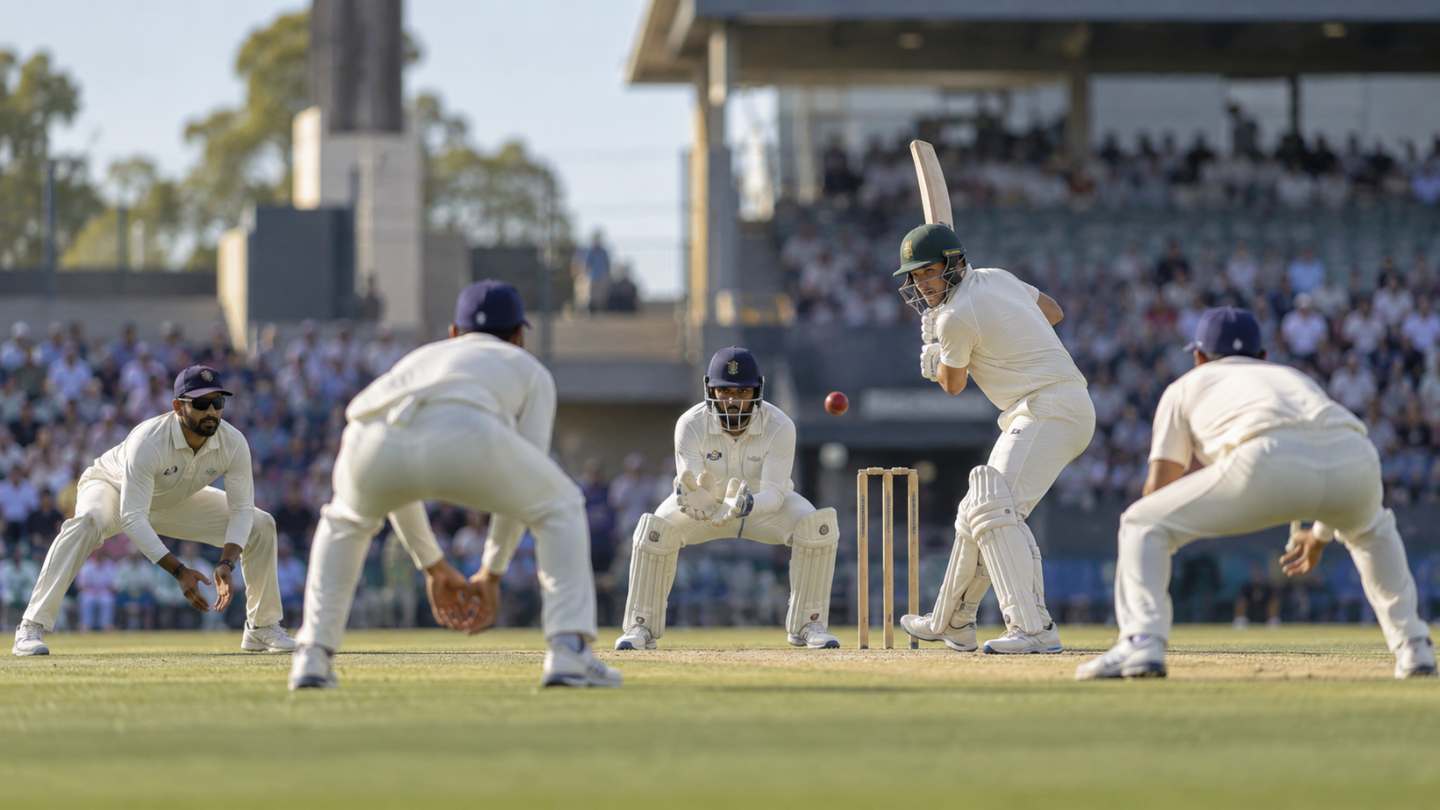
The second four-day match between India A and Australia A ended in a draw in Puducherry, although the visitors pushed for victory right up to the final over. Liam Scott claimed five wickets while conceding 37 runs from 18 overs, opening the way to a finish in which India A were left with their last pair at the crease.
Jash Rathod was the centrepiece of the home side’s resistance, scoring 80 from 138 balls. Shams Mulani added 29 from as many as 131 deliveries, and together with the lower order he turned the contest into a battle for time over nearly fifty overs. He was dismissed three overs from the end, giving Australia their final opportunity.
Nachiket Bhute remained unbeaten on 20, while Praful Hinge protected his wicket without scoring. The pair faced the last 18 balls without a fatal error. Australia A had earlier made 358 and declared their second innings on 173 for four, leaving enough time for an attack.
Scott found movement where the spin did not help
Scott’s performance was especially valuable because the pitch offered little of the help expected for all the bowlers. His fast-medium deliveries, held on a controlled line, kept the batters playing at more deliveries, and small changes in length produced edges and misjudgements. The five wickets came from patience rather than from constant attempts at surprise.

Australia’s spinners Todd Murphy and Corey Rocchiccioli bowled 23 overs apiece but took only one wicket each in the final innings. Their work nevertheless kept the score under pressure and let Scott attack with fresher legs. In a long format, a bowler’s role is not measured only by the final wicket count.
Rathod showed how to build a defensive innings without surrendering runs altogether. He punished too many full balls, but did not chase wide deliveries simply to speed up the score. That kind of shot selection reduces the chances to catch and forces the opposition to keep hitting a small target area.
The draw carries clear lessons ahead of the one-day series
Mulani took on a different role. His 29 may not look large, but 131 balls faced changed the arithmetic of time. Every blocked over increased the pressure on Australia to field more aggressively, which occasionally opened room for the batters to rotate safely.
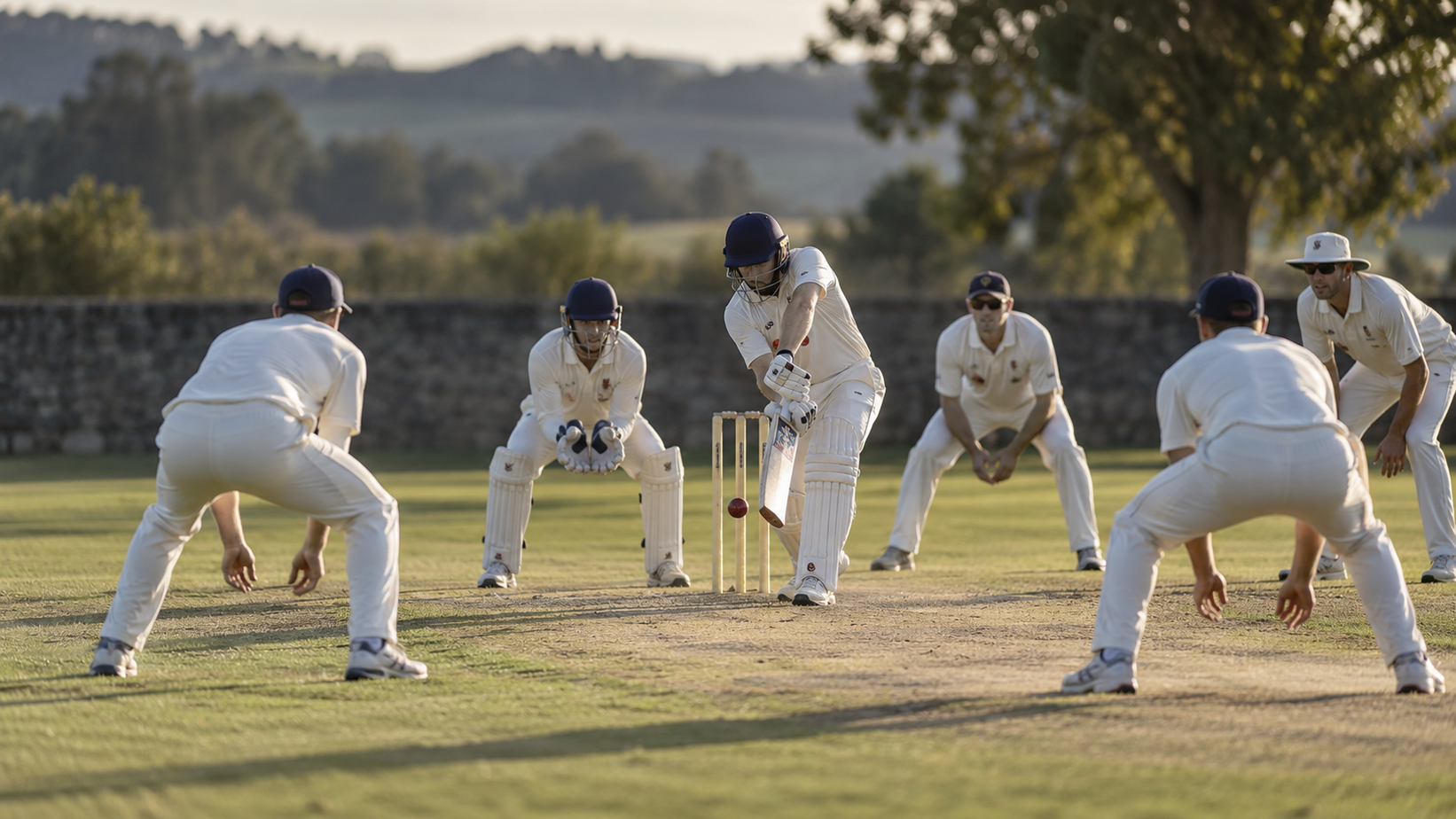
Jai Richardson took three wickets in the first innings but went without a wicket in the second through 17 overs. That does not mean he bowled poorly: the home batters gave him little to attack, and fatigue and an older ball reduced the movement. The team will analyse how to change his angle of attack earlier.
The series moves to the one-day format on 6 October, where the same players will need to distribute risk differently. Scott’s control and Rathod’s discipline remain useful, but the tempo will demand quicker decisions. The draw is therefore a good test of character, while the next matches will show who can carry that quality into shorter spells.
Before the one-day matches both sides will narrow their analysis to specific situations: a new batter against a fresh ball, the middle overs against spin, and the last ten overs under greater risk. Australia want to carry Scott’s control into shorter spells, while India want Rathod’s judgement of shot selection in a faster format. Whichever side adapts those qualities without losing discipline will have the edge once a draw is no longer an option. The next outing or the official result will show how far this conclusion holds under new pressure. The figures should be read alongside the strength of the opposition, the conditions and the decisions taken at key moments. It is important to separate the current result from the longer trend: one success confirms good preparation, but only repetition shows stability. The coaching staff should therefore track a few clear indicators, compare them with the previous outing, and change only what has proven to be a weak point. That approach protects confidence while leaving room for improvement. The reaction of direct rivals will also matter, since preparation changes as soon as an opponent recognises a successful pattern. For that reason the analysis should cover situations in which the original plan did not work. The best performance comes when a side or athlete keeps its core strength and makes a small, timely adjustment during the event.