
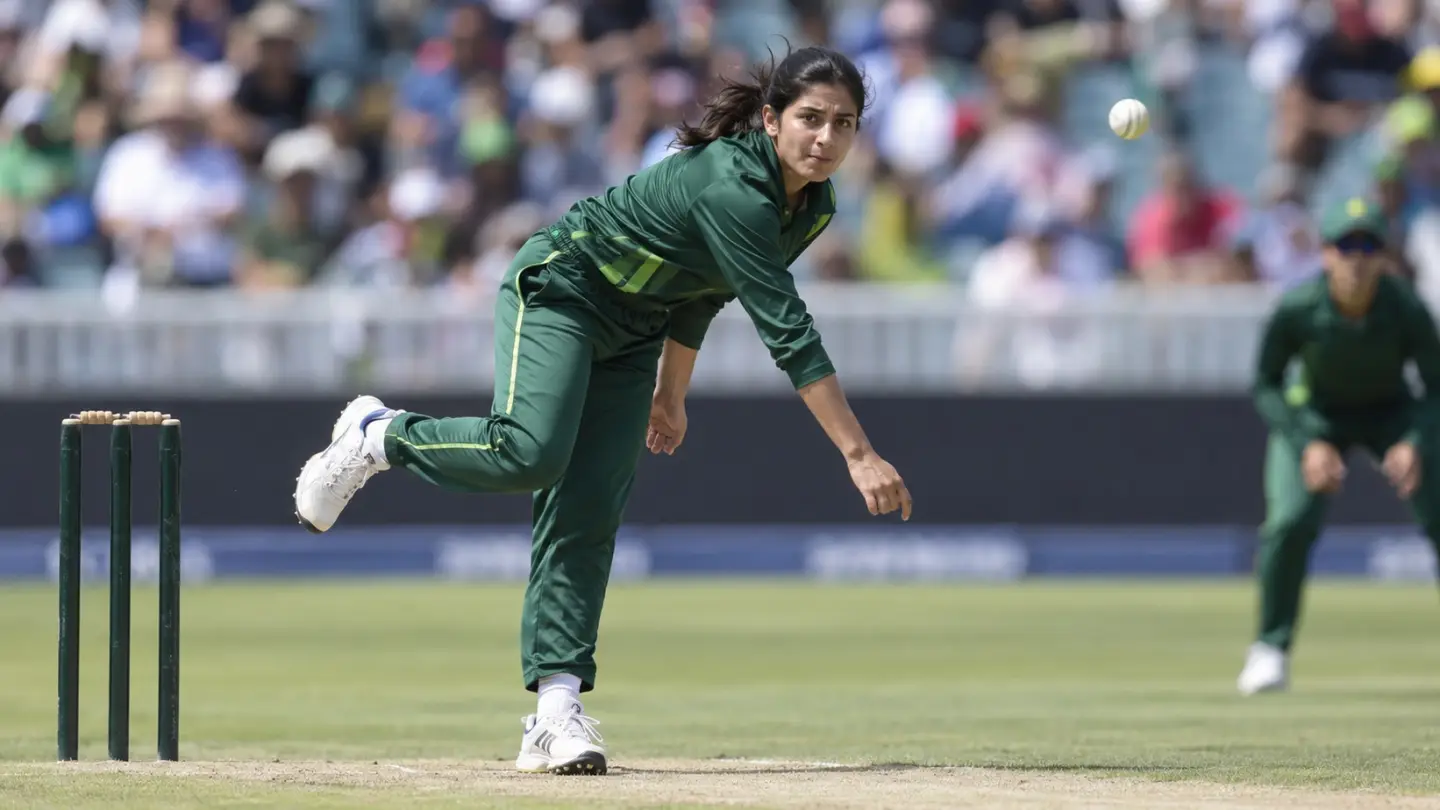
Pakistan fast bowler Kainat Imtijaz has announced her retirement from international cricket, closing a chapter that saw her represent her country in 19 one-day internationals and 21 T20 matches. The Pakistan Cricket Board confirmed her decision on 4 October. The 34-year-old remains part of a generation that helped the women’s side widen its base and secure more regular international fixtures.
Imtijaz entered the senior national side as a bowler whose main value lay in controlling line and being able to bowl across the different phases of an innings. A fast bowler is judged by more than wickets alone. What matters is how many runs she holds back, how she responds when a batter goes on the attack, and whether the captain can trust her with an over after the opposition has lifted the tempo.
Playing in both formats demanded a different use of energy. In one-day cricket a bowler has to pace herself across a longer innings and come back into the attack several times. The T20 game calls for immediate precision, because a single expensive spell can decide a match. Imtijaz had to adjust her length, pace and field placings with little time to correct course.
Her career spanned the two main formats
The departure of an experienced player changes more than a squad list for the next series. Younger bowlers lose a team-mate who knows how to prepare for different surfaces, long travel and the pressure of an international tournament. Coaching staff must therefore pass on part of that knowledge through camps, mentoring or by bringing former internationals into development programmes. Statistics cannot replace the experience gained in the dressing room.
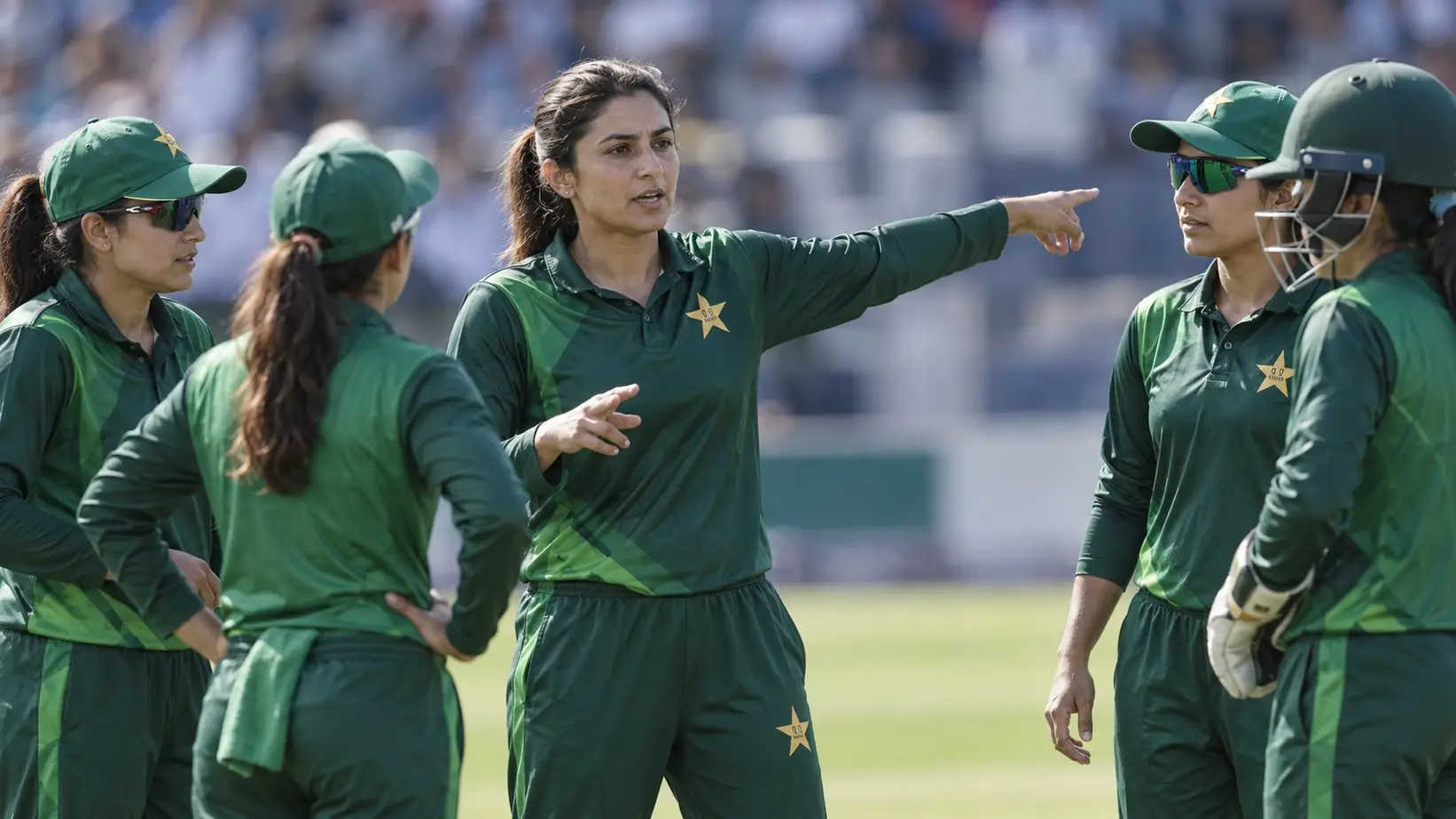
Pakistan now has the chance to widen its rotation and give young players consecutive matches rather than occasional call-ups. Fast bowling develops through real rhythm, particularly when conditions offer little help to the swing of the ball. Selectors need to judge who can open the attack, who is reliable in the middle overs and who has enough composure for the final overs.
Ending an international career does not necessarily mean leaving cricket altogether. Domestic competitions, work with young players and coaching courses offer several other paths. If Imtijaz continues to pass on technical knowledge, her influence may last well beyond her final international appearance. Her experience of adapting between ODI and T20 demands is especially valuable.
Her exit opens a place for a new generation of fast bowlers
For the player, a period of constant competition for a national team place comes to an end, but a clear record of appearances for Pakistan remains. Nineteen ODIs and 21 T20 matches form a broad enough sample to judge her contribution across several cycles rather than through a single result. In women’s sport, every international from that generation also played a part in raising the game’s visibility.

The best response from the board will be to use her departure for planned renewal, without suddenly handing the whole burden to a single successor. Two or three bowlers with different profiles and clearly defined roles are needed. Imtijaz leaves the international stage, while Pakistan is left with the task of turning the experience she built up into a sustainable system for the next generation.
The federation should use the coming period to pass on experience in a planned way. A brief conversation with young players is not enough without regular work on technique, preparation and decision-making. A former international can explain the details that statistics do not record: how to prepare for travel, how to respond after a poor performance and how to maintain routine under pressure.
Assessing potential successors means more than adding up wickets or runs. What matters is who can repeat the task in different phases of a match, who stays accurate under attack and who communicates well with the captain. A wider pool allows the selector to choose according to conditions, rather than leaving one player to carry every role and risk a loss of form or injury.
Leaving the national team offers a chance to view a career without the pressure of the next squad list. The number of appearances remains important, but lasting contribution is also seen in the players who have been inspired by her and found their way to the national side. If that experience feeds back into the domestic system, her final international match will not mark the end of her influence, but a change in its shape.