
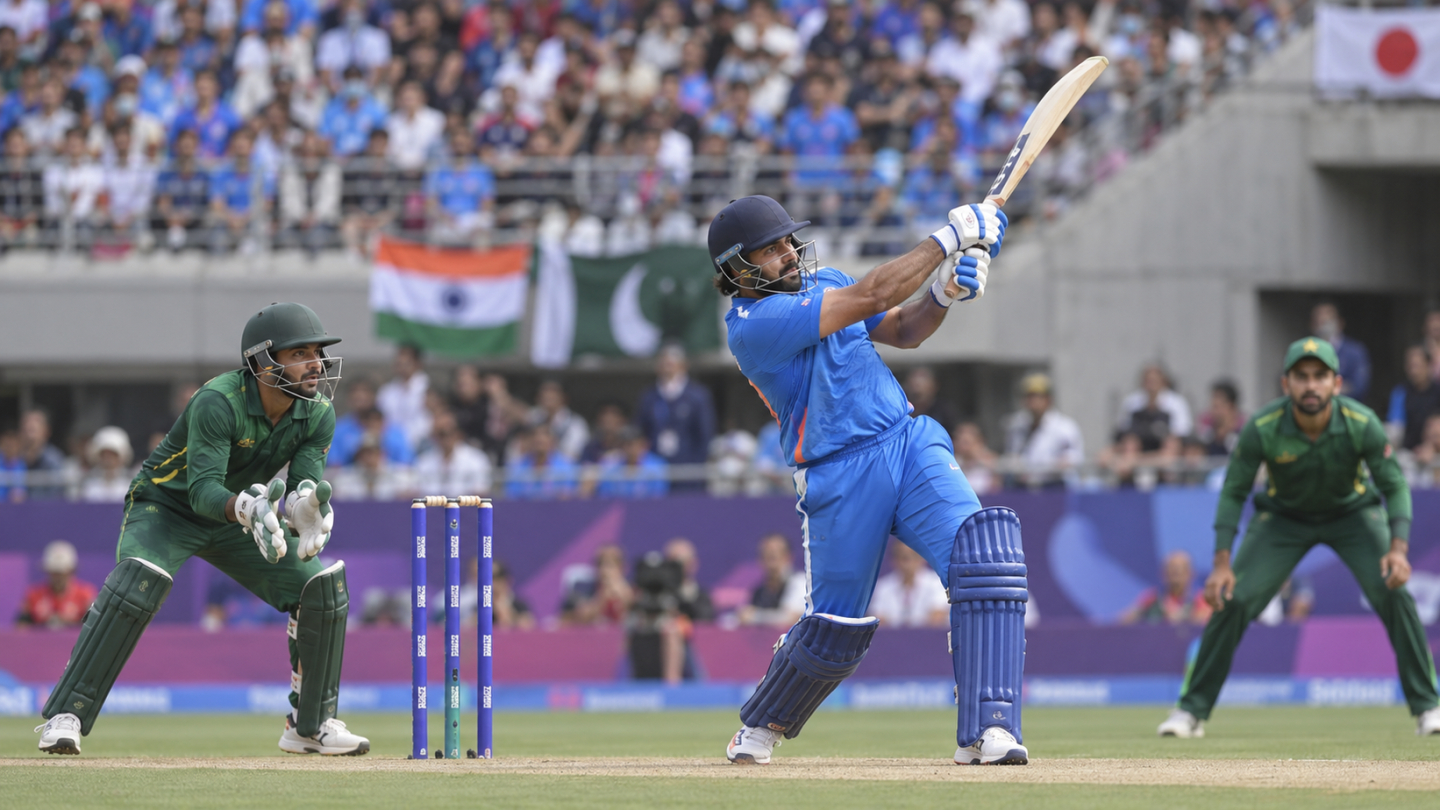
India beat Pakistan by 19 runs in the Asian Games final to defend the men’s cricket title. Captain Shreyas Iyer chose to bat first, and his side posted 211 for six. Pakistan replied with 192 for six, so the big final was only settled in the closing overs, although India had held the necessary control through most of the chase.
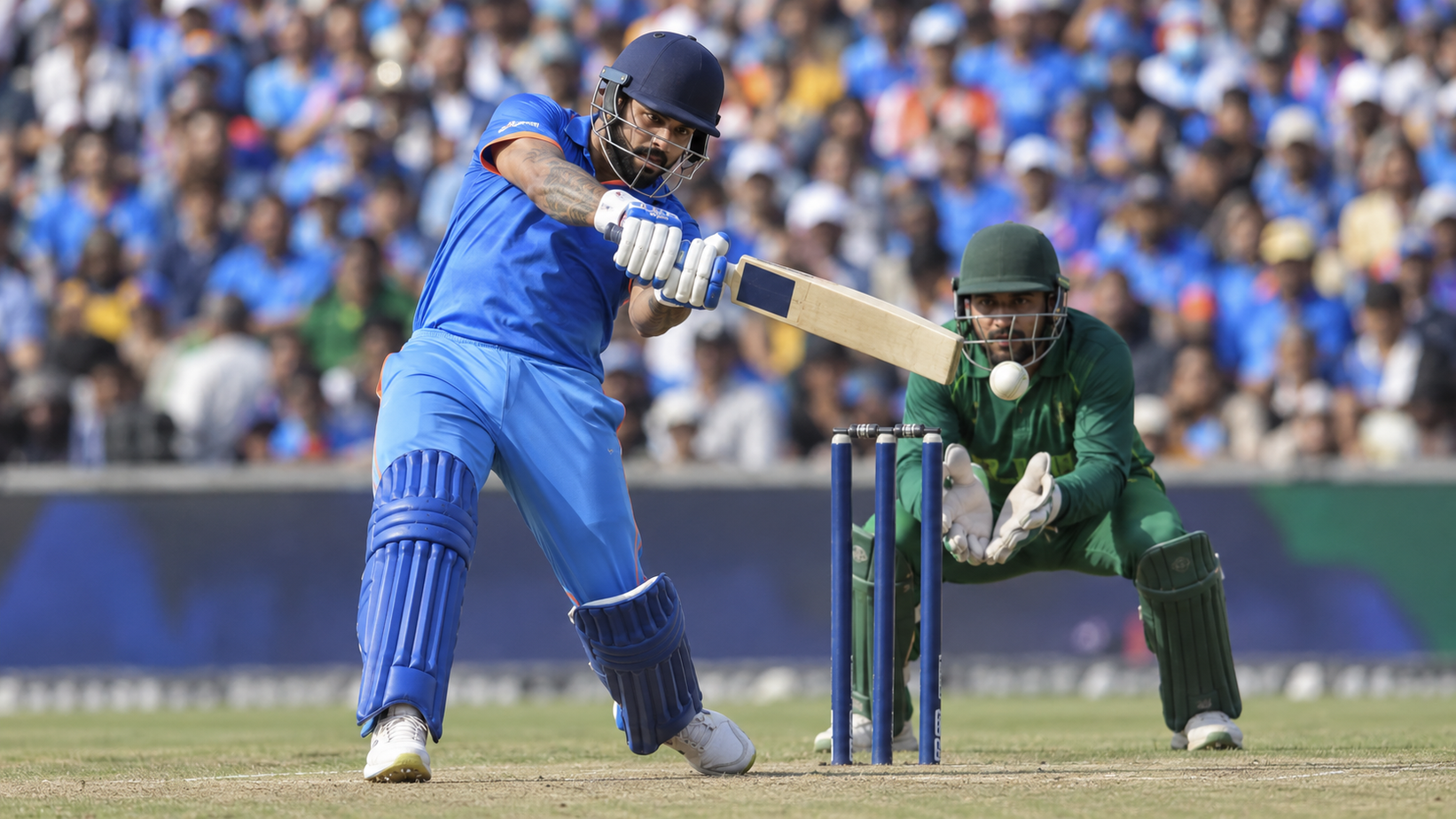
Abhishek Sharma made 61 and gave the opening phase its pace, while Tilak Varma remained unbeaten on 51. Their contribution allowed India to pass 200 without relying entirely on a late surge. Pakistan kept hopes alive thanks to Hasan Nawaz, who scored 96, but a historic turnaround needed firmer support during the key partnerships.
Abhishek and Tilak set a demanding target
India’s plan worked because the risk shifted through the innings. Abhishek exploited the restrictions on the fielding side early on, while Tilak later kept one end steady and let his team-mates attack. That kind of division makes a quick run of wickets less likely. The 211 did not come from one short burst but from enough runs in every phase, giving the bowlers more ways to defend the total.
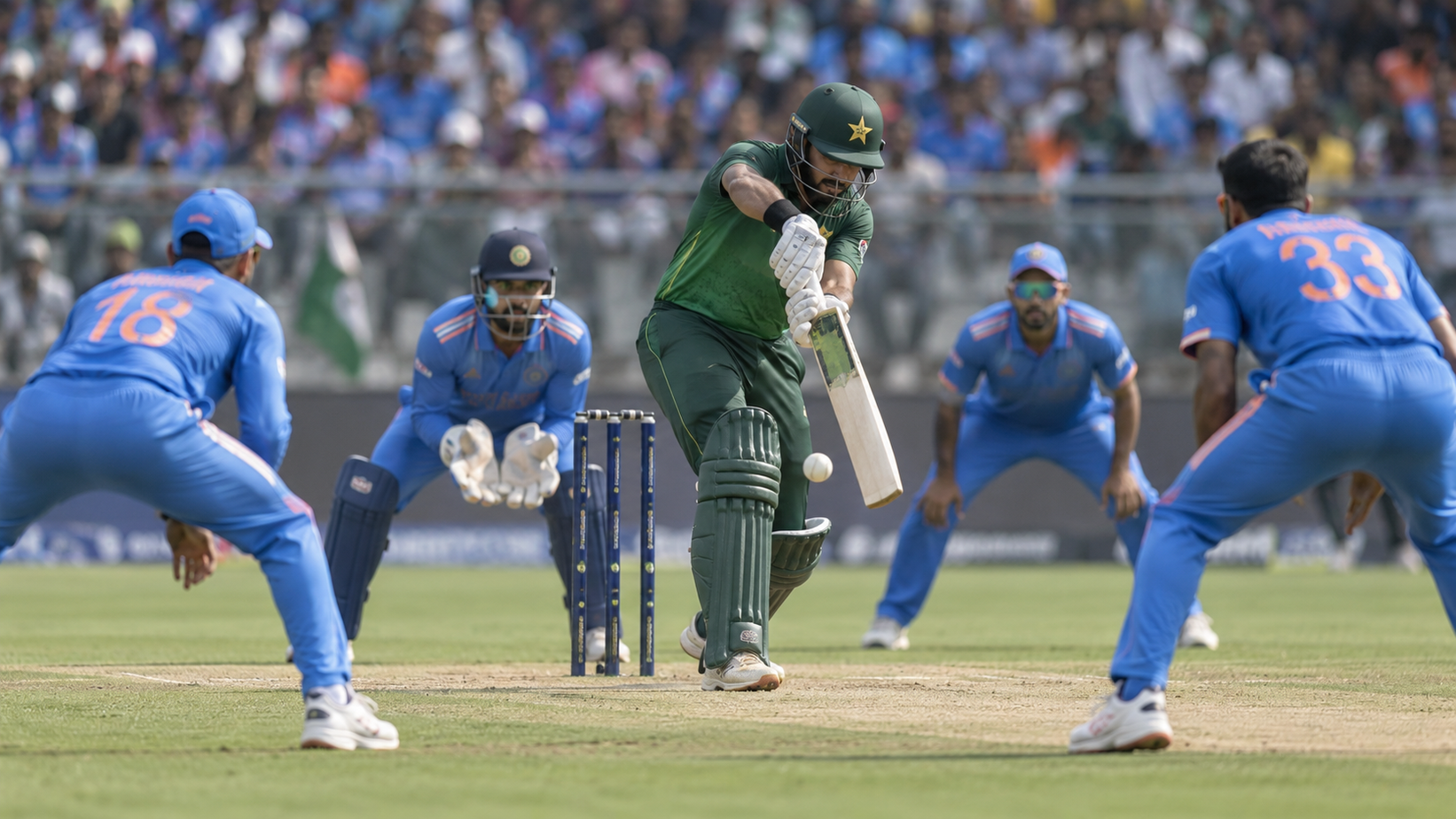
Hasan’s 96 turned Pakistan’s reply into a genuine threat. His shot selection stayed calm even as the required rate climbed, but the pressure grew with every partner lost. In the final overs one batter can hardly cover every boundary and keep the scoring going at the same time. India therefore defended sensibly: they conceded single runs and guarded the areas where sixes could quickly change the arithmetic.
Hasan’s 96 showed how close the final came
A margin of 19 runs shows the value of a few disciplined overs rather than a wide gap between the two sides. Pakistan will review the period in which they allowed India to keep the scoring rate up without losing a wicket, as well as the number of dot balls in their own innings. India can be satisfied with their control, but they will want fewer chances for the opponent in the closing stages. The final confirmed that even a high target can be put in danger by one major individual performance.
Back-to-back gold gives India continuity in a competition that matters more and more to international cricket. Pakistan leave without the title, but Hasan’s innings provides a clear foundation for the next cycle. Both squads gain match experience in which the sporting pressure goes well beyond an ordinary series. This time India had a wider spread of runs and a calmer defence, and those two advantages kept the margin intact until the last ball.
For Pakistan the key lesson will be how responsibility is shared around Hasan. When one batter carries close to half of the required output, his partners do not have to hunt the boundary every ball, but they must maintain the rotation and stop the pressure from building. India, for their part, will want to close out matches earlier by removing a few important batters. One big innings can turn a contest even at a very high target. The coaching staffs will also study the field placings used in the closing overs, particularly the protection of the shorter boundary and the choice of slower balls. The medal has already been decided, but the data from the final remains useful for international series in the same format. India earned their win because through both innings they had more players with a clear role, while Pakistan relied for too long on one exceptional response.
Captains will also draw lessons from the final about changing bowlers. A short successful spell should not be extended simply because of an earlier wicket if the conditions have shifted or the batter has found his rhythm. India had enough options to vary their angle and pace without losing control. Pakistan will want a wider spread of similar reliability, so that one poor over does not force their best bowler back too early and leave the closing stages without an answer.