

The International Cricket Council has unveiled its nominees for player of the month. On the men’s side, India’s Shubman Gill and Abhishek Sharma are on the list, along with Zimbabwe captain Sikandar Raza. The women’s shortlist features Sri Lanka captain Chamari Athapaththu and Indian players Sree Charani and Shafali Verma. Winners are chosen by an expert academy and registered fans, based on performances across the entire calendar month.
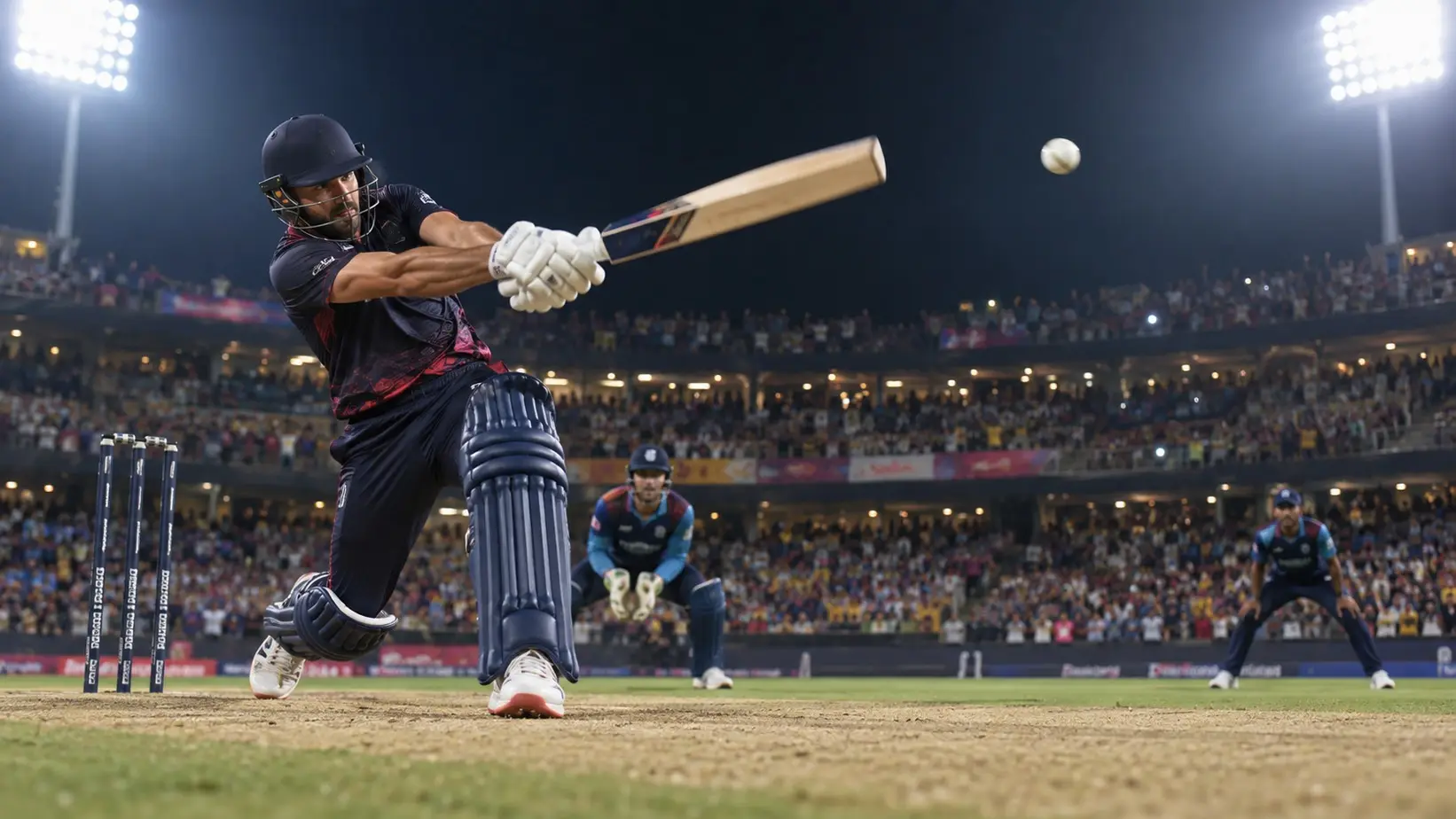
Abhishek Sharma scored 229 runs in four T20 internationals. His standout moment was a century against Afghanistan from just 30 balls, following an opening 82 from 32 attempts. His case rests on the speed at which he changes the required rate: opponents must pull fielders back early, which gives his team-mates more room to find singles.
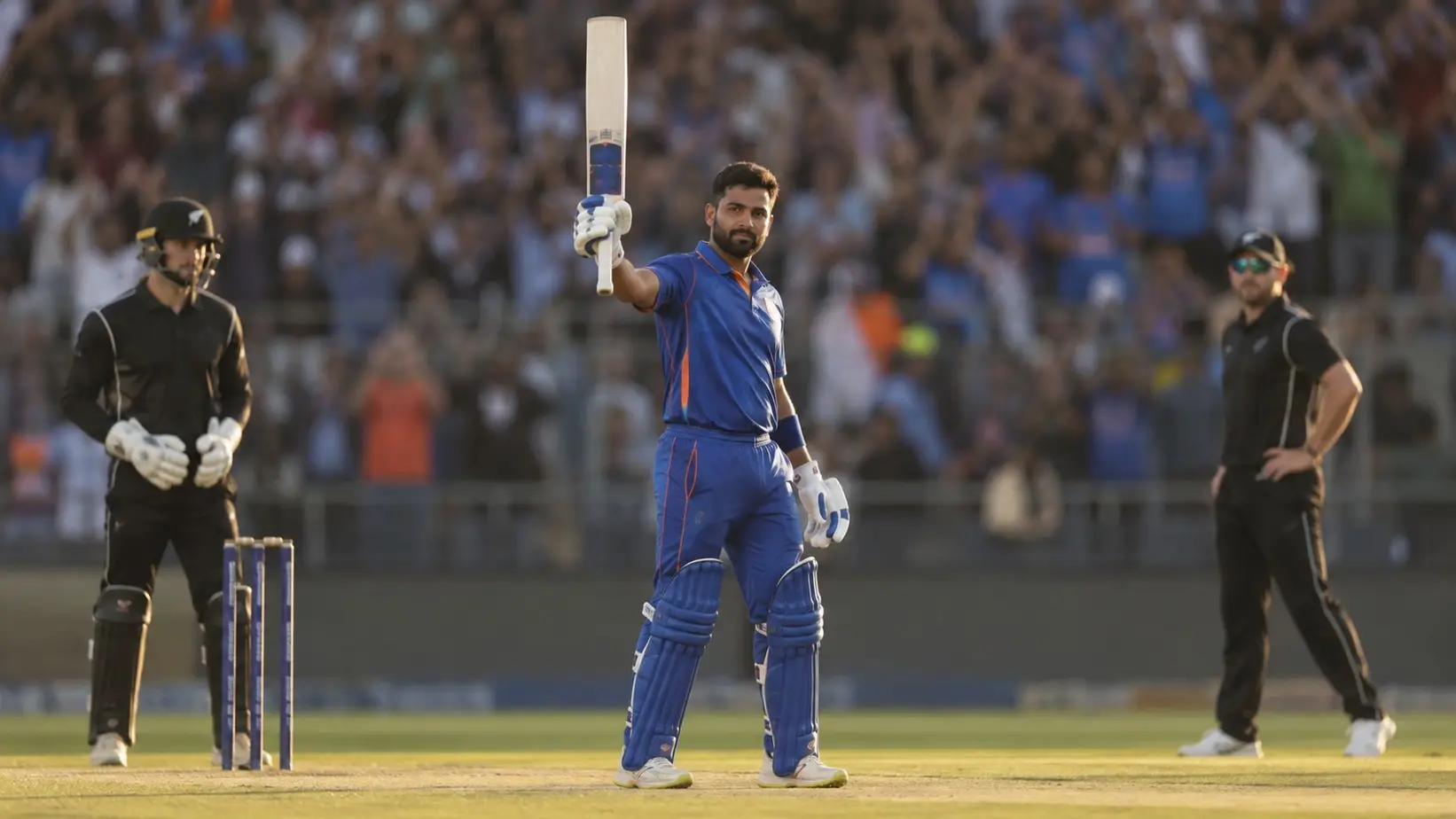
Gill offered a different kind of dominance, with 333 runs in two ODIs against the West Indies, including his second double century of his career. A big innings in the one-day format demands several phases: caution while the ball is new, acceleration against the middle-order bowlers, and conserving energy for the closing overs. Such a performance combines volume with control of risk.
Sharma and Gill offer two completely different batting profiles
Raza was Zimbabwe’s leading run-scorer in the home ODI series against Australia, and he carried the added responsibility of captaincy. His value lies not only in his aggregate but in the context of facing the reigning world champions and his ability to steady the middle order. The nomination shows that the award does not automatically go to a player from the team with the largest market.
In the women’s race, Shafali Verma scored 360 runs at a strike rate of 184.61 and was the top run-scorer at the Asia Cup. She also took six wickets, and at the Asian Games she made an unbeaten 100 in the semi-final and 48 in the final. Athapaththu contributed with both bat and ball, while Charani earned her recognition through her impact with the ball.
The voting system gives 90 per cent of the decision to the ICC academy, made up of former players, journalists, broadcasters and members of the Hall of Fame. Fans carry the remaining ten per cent. This balance prevents popularity alone from deciding the winner, yet still gives the public a measurable influence. Candidates are judged strictly on performances from the first to the last day of September.
Fan voting carries ten per cent of the final decision
When comparing Gill and Sharma, it is important to separate the formats. Raw run totals without strike rate and the weight of the situation can mislead, since T20 rewards quick scoring while ODIs reward long-term control of an innings. An expert voter should ask how much a player raised his team’s chances of winning within each format, rather than simply comparing 333 with 229.
The women’s list calls for the same context. Shafali’s mix of runs, strike rate and wickets offers measurable breadth, while Athapaththu as captain influences the bowling plans and the field. Charani may gain an edge if her wickets came at moments when they broke key partnerships. One decisive action sometimes carries more weight than extra runs scored under no pressure.
The award will single out a winner, but the shortlist already gives a picture of September’s most important performances. Gill represents sustained dominance, Sharma explosive hitting, and Raza responsibility against a strong opponent. In the women’s selection, raw attacking volume competes with versatility. The final decision will be most convincing if voters clearly weigh impact on winning, not only the familiarity of names.
Announcing the winner in the second week of the month will also allow a check on how the expert and fan votes relate. Since the academy holds nine-tenths of the decision, a popular campaign alone cannot overturn a large expert gap. Still, a close contest may be settled by the public share, which is why each board has reason to present its candidate’s performance accurately and without exaggeration.
Performance against the quality of the opposition must remain part of the assessment. A big total against a weaker attack is not automatically worth more than a shorter innings in a difficult chase. For that reason, data on the state of the match, the required rate and the strength of the opponent are needed alongside the basic statistics.