
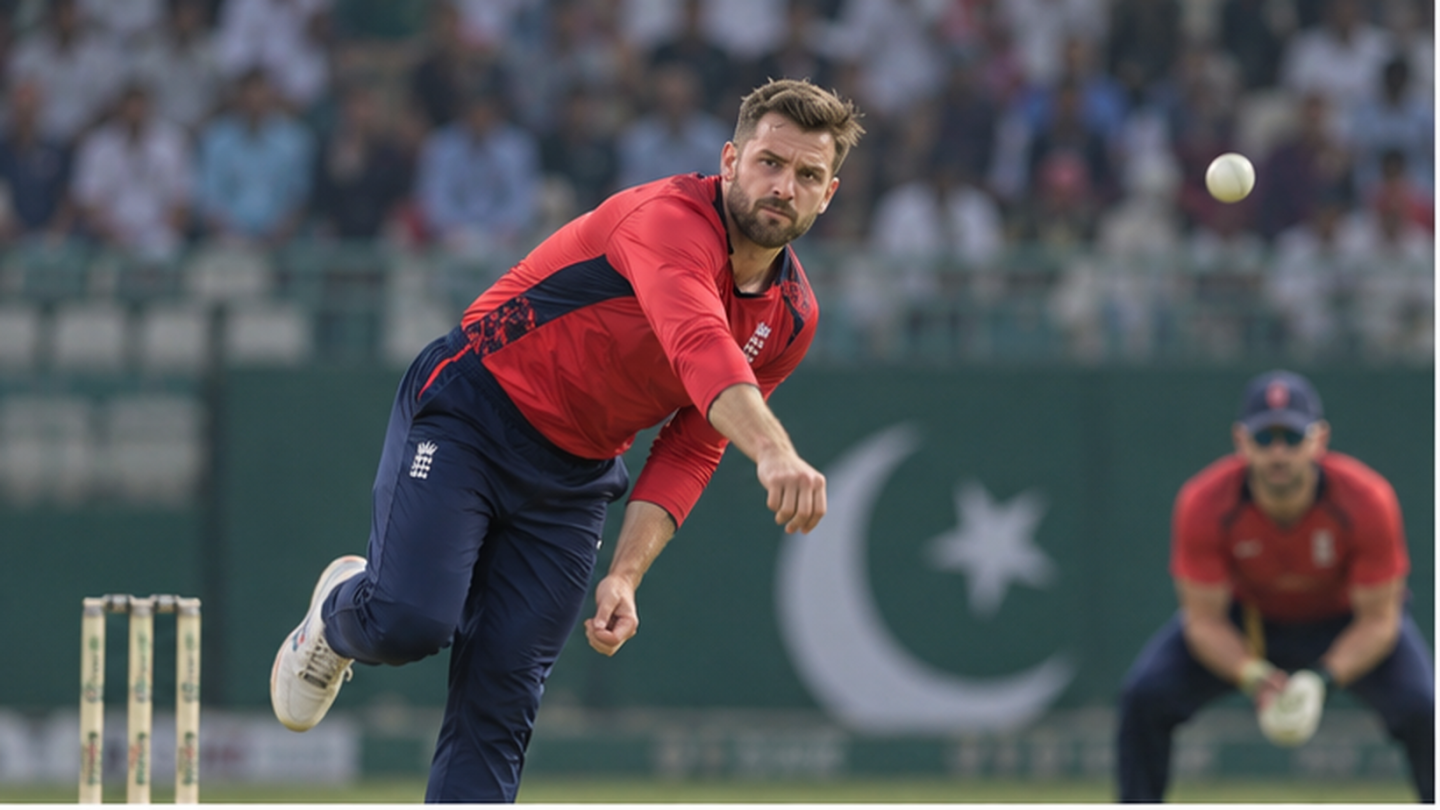
England have brought back Adil Rashid and Sam Curran for the one-day series in Pakistan, while Jofra Archer will miss the tour as part of a planned rest. The selectors chose to spread the workload at a time when national team commitments overlap across several formats. The return of two experienced players reshapes the balance of the side: Rashid brings control in the middle overs, and Curran offers an extra option with both ball and bat.
Mason Crane has also earned a call-up, returning to the national setup eight years after his only Test appearance. His inclusion suggests England want more spin variations in conditions that traditionally reward a change of rhythm and a precise reading of the surface. Archer’s absence is not presented as a new injury but as part of managing the fast bowler’s minutes. That distinction matters because it changes the assessment of his availability for the coming series.
What the returning players bring to the side
Rashid is the most experienced leg-spinner in the England set-up, and his value goes beyond the wickets he takes. The captain can turn to him when the opposition accelerates, to close down one side of the attack and force batters into riskier choices. Curran brings a different asset: his left-arm angle changes the lines bowled to right-handers, he is capable of finishing an innings with powerful hitting, and he lets the coaching staff lengthen the batting order without losing a serious bowling option.

Crane will not automatically secure a place in the starting eleven, but his call-up creates competition and cover should conditions turn strongly in favour of spin. England have often shuffled their line-up according to format and opponent in recent years, so training in Pakistan will matter more than a player’s previous status. For the less experienced members of the squad, the series is a chance to show they can maintain control when crowds and local batters raise the pressure in short spells.
Why England are resting Archer
Archer’s pace and his ability to make a difference remain an important part of England’s plan, but his injury history calls for careful management. Resting him ahead of the next fixtures reduces the risk that a short-term need compromises his availability for bigger series. England are accepting that they will not have their strongest pace attack in Pakistan, but they gain the opportunity to test other bowlers in demanding conditions. The decision will only succeed if both the result and Archer’s readiness are protected.
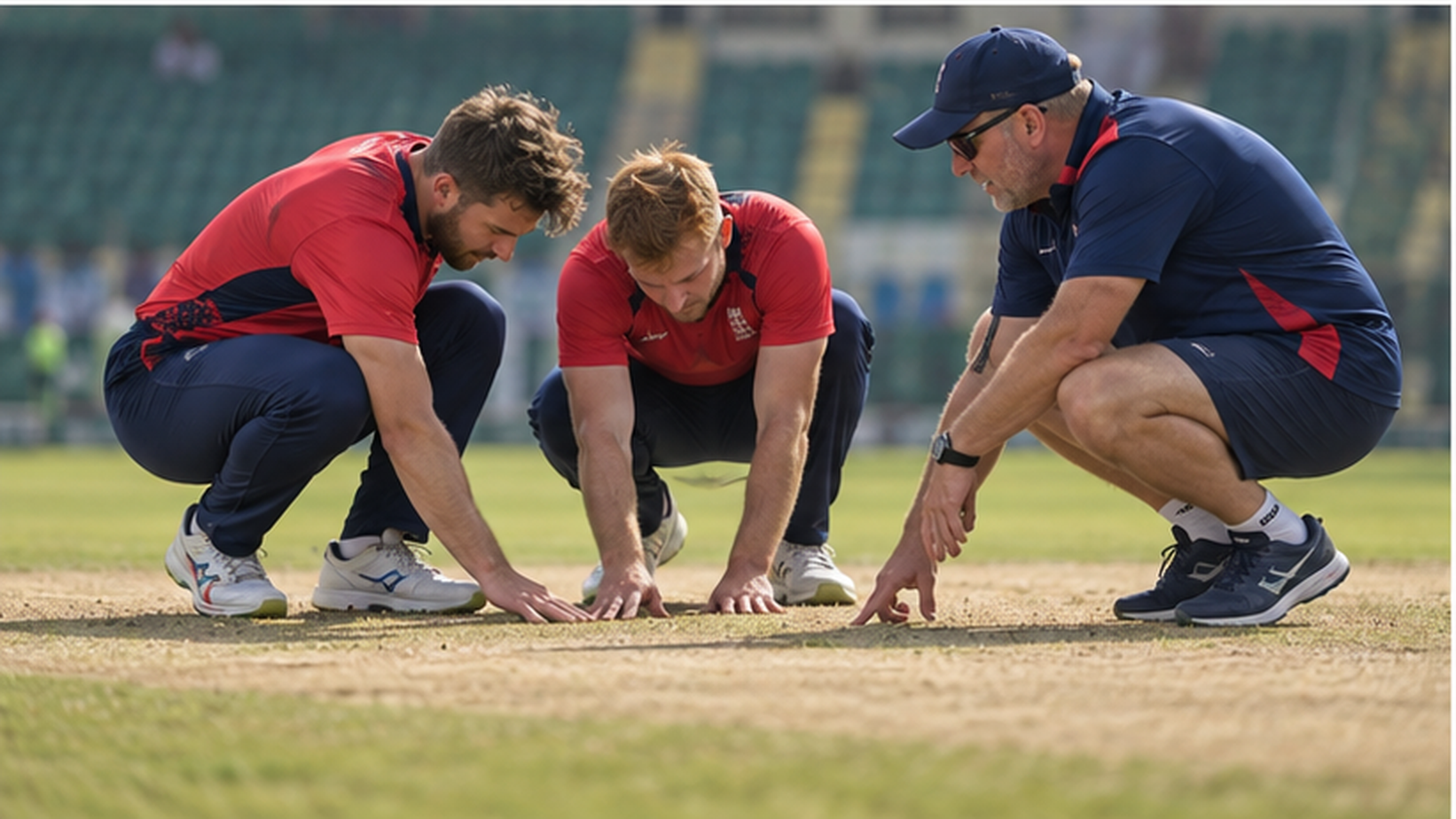
The series will therefore answer two questions: can the revamped spin attack control the middle overs, and who can take responsibility with the new ball without Archer? Rashid and Curran bring experience, but it has to translate into clear roles on the field. The opening matches will show whether England have found enough depth for rotation, or whether the absence of their main quick will place too heavy a load on the rest of the attack.
Pakistan will try to exploit home conditions by forcing England’s batters into long spells without easy runs. Rashid’s value, then, lies not only in defence but also in the experience he can pass on in training, helping English batters prepare for quality spin. Curran can contribute by changing the tempo and hitting in the closing overs, but his place will not be secure if the balance of the side calls for another specialist. The decision on the starting eleven will have to combine conditions on the ground with current form, rather than relying on reputations alone.
For the wider picture of English cricket, the tour is a test of how players are managed across different formats. Resting Archer only makes sense if there is clear workload data and a plan for his return. At the same time, the reserves must be given real responsibility, not just a place in the squad. If the new bowlers take their chance, England will leave Pakistan with more options for the coming series; if not, dependence on a handful of key names will become even more visible.