
Partizan Mozzart Bet has extended its partnership with Đoan Penjaroja until the summer of 2029. The decision matters because it gives the coach enough time to build a system, and the management a clear basis for choosing players. In a season packed with matches, short-term reactions can easily become more important than a long-term plan, so this move sends a different message.
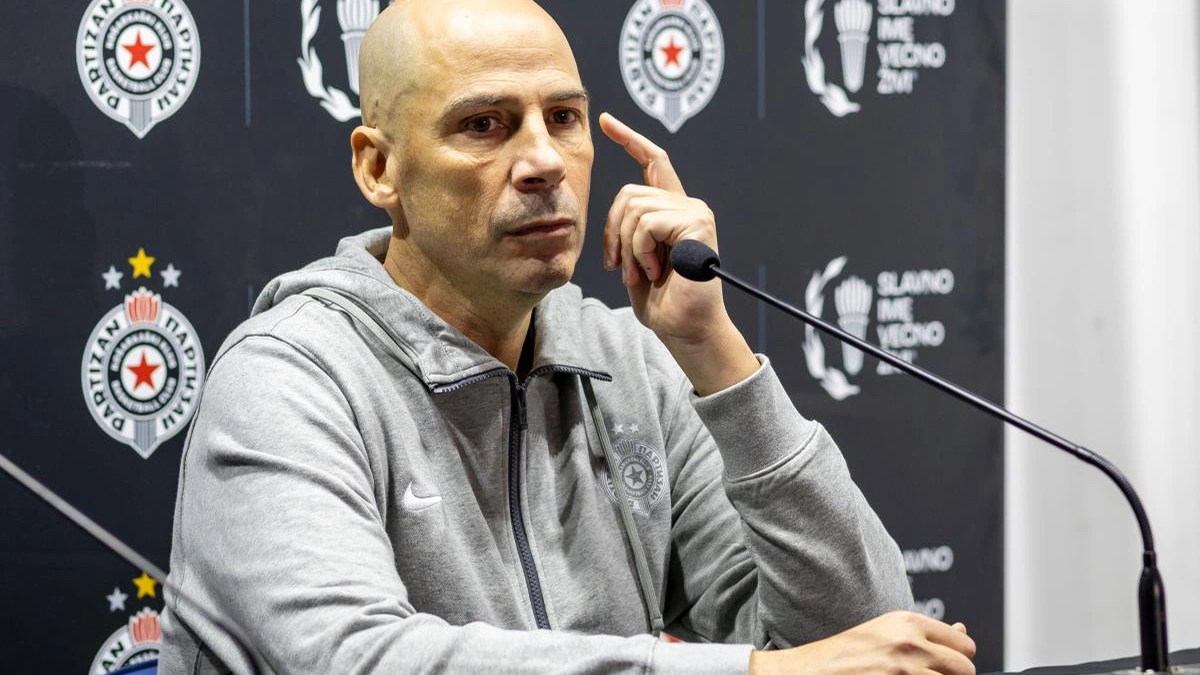
Penjaroja took over the team with the task of combining results with a recognizable style of play. His teams usually look for quick ball movement, spreading the floor and multiple options from the pick-and-roll. At Partizan, that approach has to work alongside demanding defence and control of the boards, because European rivals quickly punish any spell of weaker concentration.
A long contract does not remove the pressure for results
Working together until 2029 does not mean the daily demands become smaller. Partizan plays in front of a crowd that expects a battle in every match, and the EuroLeague leaves little time for bedding in. The coach therefore has to develop young players, manage the load on key performers and find line-ups that can respond to different opponent styles at the same time.
For the players, a clear division of roles is important. When they know what profile of basketball the club wants to play and who leads the project, it is easier to accept a change in minutes or task. Coaching continuity can reduce the number of major changes every summer, but only if the sports department aligns squad selection with his idea.
Stability can be an advantage in the market
A long-term agreement also helps in negotiations with new players. A basketball player coming to Belgrade can more precisely assess his role, the training approach and the expected style. Partizan thus gets the chance to pick profiles for the system, instead of changing direction every season according to the current market supply.
With this move, the club has also taken on the responsibility of judging Penjaroja’s work more broadly than one run of results. Progress is seen through defensive organization, the quality of decisions in crunch time, player development and the team’s ability to react after defeats. The contract itself does not guarantee any of those elements, but it creates conditions for planned building.
Partizan has chosen continuity at a time when many European clubs quickly change coaches. Now, more important than the length of the contract itself will be how much the coaching staff, management and players work towards the same idea. If that connection holds, the period until 2029 can bring a more stable squad and a clearer team identity.
The first real indicator will not be a single mid-season table, but the way the team looks after the summer changes. If new players quickly understand the demands, and the existing ones improve their roles, the extension will gain sporting meaning. Otherwise, stability on the bench alone will not solve the problems on the court.