
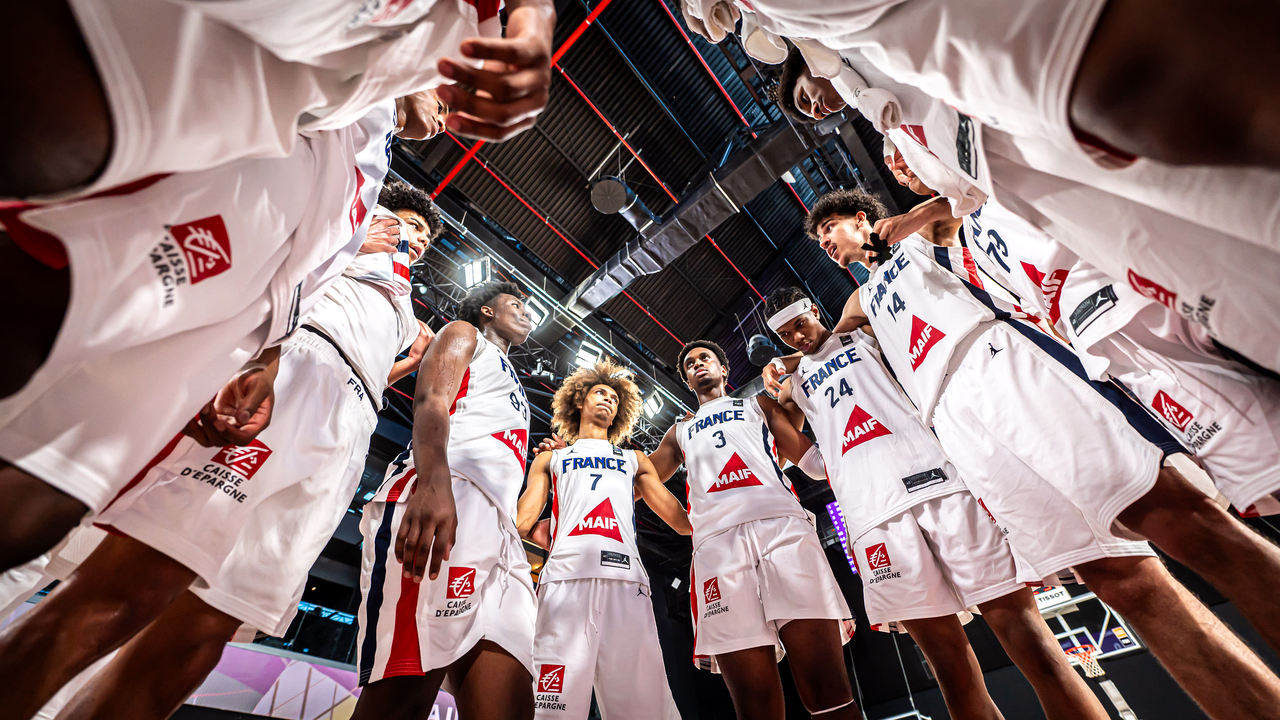
The game was decided only after the halftime break
Serbia U17’s 97:71 win over Côte d’Ivoire may look straightforward on the scoreboard, but the most important part is not the margin itself. After leading by eight points at halftime, Serbia played the third quarter 30:20 and kept control of the game, pulling clear when it counted.
It is a habit that matters in knockout football and basketball alike. Young sides often lose their rhythm after the interval, especially when a lead feels comfortable enough to relax. Serbia did the opposite: it sharpened its attack, shut down the easy transition baskets and took the pressure off for the final ten minutes.
That is exactly the part of the game that carries the most weight ahead of New Zealand. Starting well is not enough. In a knockout tie, a match often turns on the first response after the dressing room.
Kusturica once again gave the game its centre
Kusturica’s efficiency, with 24 index points, confirmed once more that Serbia has a clear anchor. Against Côte d’Ivoire his role was not only to fill the stat sheet, but to keep order while the game was not yet fully settled.
That matters because, against New Zealand, the team cannot afford to search for its identity in the middle of the match. It needs to know where its composure comes from. Kusturica provides that answer, but the rest of the squad has to make sure the opposition cannot read it too easily.
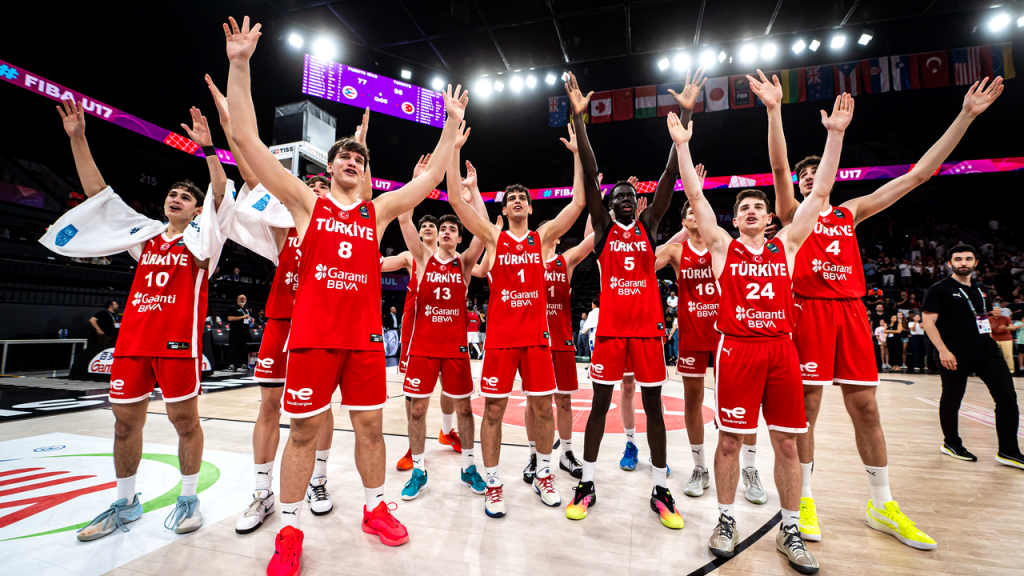
What the numbers say
| Result | Serbia – Côte d’Ivoire 97:71. |
|---|---|
| Third quarter | Serbia won the period 30:20 after leading 47:39 at halftime. |
| Player of the match | Nikola Kusturica posted the best Serbian efficiency with 24 index points. |
| Control | Serbia shot 44 percent from the field and led for a total of 36 minutes and 29 seconds. |

The shooting picture was sound, not forced
Serbia shot 44 percent from the field, 51.9 percent on two-pointers and 31 percent from three. These are not figures that promise false comfort through unrealistically hot shooting. They are good enough to show that the win came from the width of the possessions, not just from one burst of baskets.
Free throws at 66.7 percent leave room for improvement. In a comfortable win that does little harm, but in a knockout game two or three missed attempts can change the finish. Serbia must keep its nerve at the line if New Zealand starts fouling and stopping play to revive its hopes late on.
It was encouraging that the attack never looked like a gamble. When a team wins with a realistic shooting level, it is easier to believe that its habits can be repeated.
A long lead reduces the risk of knockout nerves
The fact that Serbia led 36:29 for most of the game points to its early focus. The side did not spend most of the evening chasing the score. It took control early and answered the opponent’s attempts to come back often enough.
Against New Zealand, a similar start could reduce the danger of an upset. If Serbia lets the opening surge through, the players will sense that there is space to exploit. If Serbia closes the paint early, stops the first organised attacks and forces its rival into difficult shots, the difference in structure becomes obvious.
Still, a 26-point win must not hide poor possessions. The coaching staff should look at the spells before halftime when Côte d’Ivoire found its rhythm. Details like these often show what the next opponent might attack with a different style.

The third quarter needs to become a pattern
The clearest lesson is that Serbia must carry its energy out of the break and into the knockout tie. When coaches make adjustments and players start thinking about the scoreboard, the third quarter often decides whether the favourite steadies the game or reopens it.
Côte d’Ivoire was not the same test as New Zealand, but Serbia’s response remains useful. The side showed it can turn a manageable lead into a safer gap. Now it must repeat that maturity against an opponent who will punish every lapse in concentration.
That is why the first two possessions after the break carry more weight than they seem to. A good block, a clean pass and a closed defensive rebound can immediately signal that Serbia has come out of the dressing room with the same focus. Conversely, two lost balls can wake the opponent and push the favourite into playing under unnecessary pressure.
If Serbia keeps its focus after halftime, the round of 16 could become a test of growth rather than a source of nerves. If that segment slips, the previous win will remain just an impressive number. That is why the third quarter from the group stage is the best pointer to the next task.