
Serbia’s 90:76 win over Czechia gives Pesic a clear check ahead of July
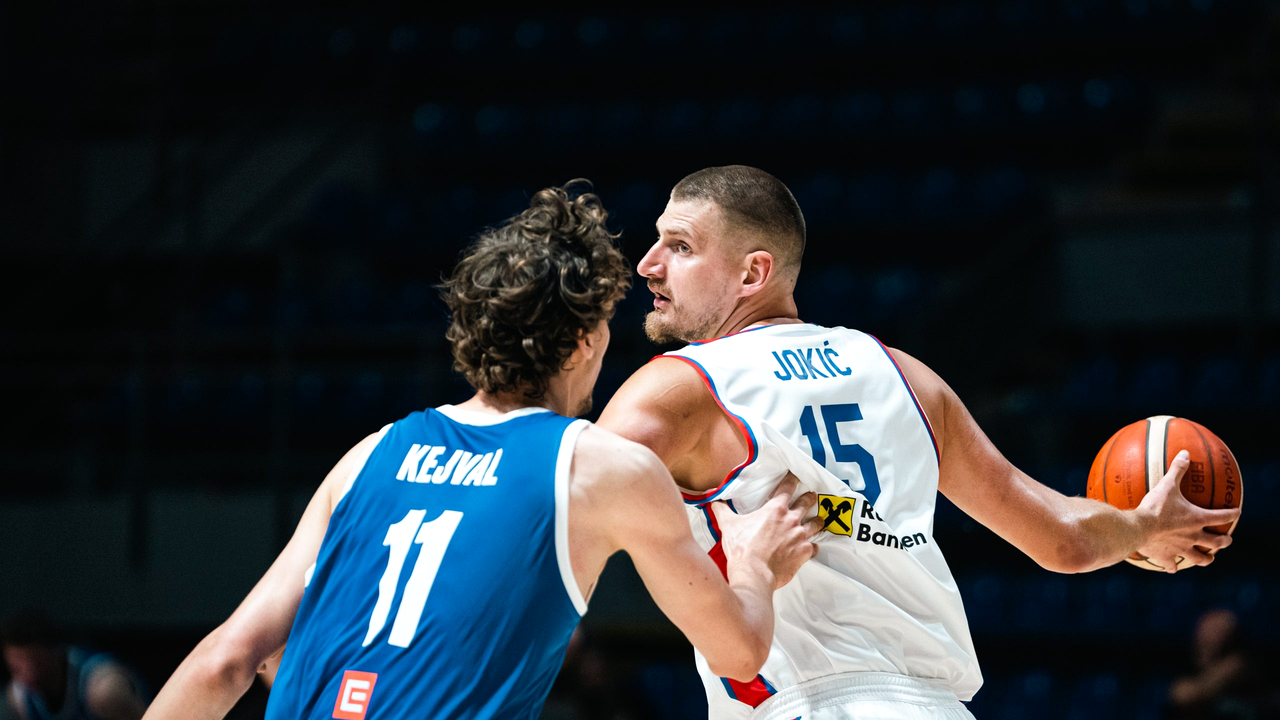
Serbia beat Czechia 90:76, with Nikola Jovic, Nikola Jokic and Dejan Davidovac all playing clearly defined roles, so the warm-up game carries real weight before the July FIBA window.
The match was played without spectators, but it was far from an empty exercise. The coaching staff gained rhythm, a clearer picture of minutes distribution and several answers ahead of the games against Switzerland and Bosnia and Herzegovina.
What really broke the rhythm
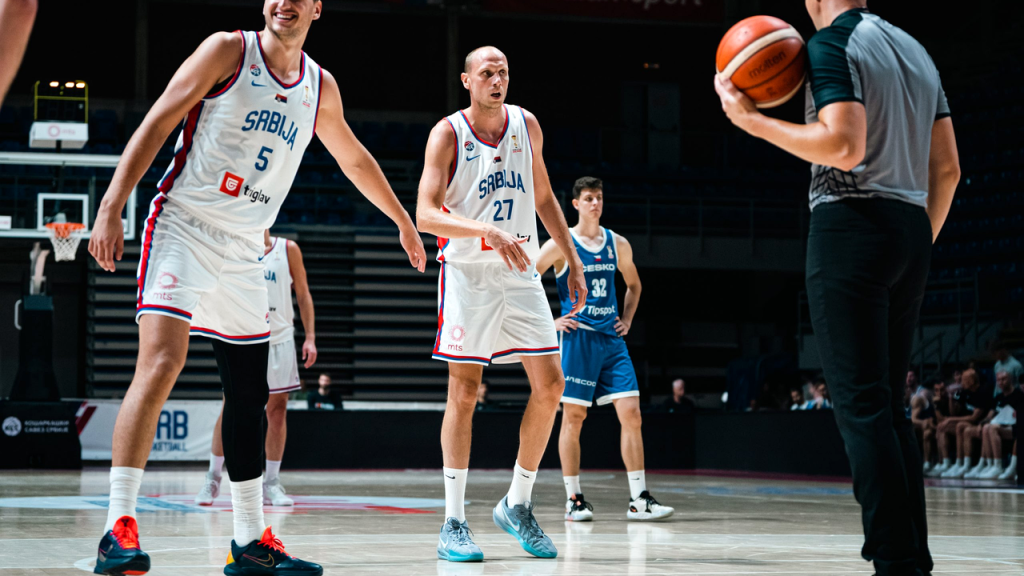
Serbia won 90:76 over Czechia at the Aleksandar Nikolic Hall.
Nikola Jovic scored 20 points, added five rebounds and handed out three assists.
Nikola Jokic contributed 16 points, 14 rebounds and eight assists.
Where the pressure shows
Dejan Davidovac’s 14 points gave the attack extra width.
Next up are Switzerland in Fribourg on 2 July and Bosnia and Herzegovina in Belgrade on 6 July.
The second and third quarters gave Serbia its lead after a tight start.
Key details
| Area | Detail |
|---|---|
| Result | Serbia 90:76 Czechia |
| Most efficient | Nikola Jovic, 20 points |
| Jokic | 16 points, 14 rebounds, 8 assists |
| Next | Switzerland and Bosnia and Herzegovina |
What the coach now needs to measure
Aleksa Avramovic’s six assists kept the ball moving through the backcourt rotation.
The test helps clarify how roles in the paint and on the perimeter will be divided.
How the next game changes
Jokic’s line of 16 points, 14 rebounds and eight assists gives the coach a precise point of discussion, but the response has to show up in defensive transition, not just in the box score. If 16 points, 14 rebounds and eight assists remain only a number, the same pressure will return as soon as an opponent raises the tempo.
Davidovac’s 14 points gave the attack extra width, so Serbia cannot wait for the next run from an opponent and must settle control of the boards earlier and cut down on easy baskets. The clearest shift would come through better spacing, firmer contact in the lane and a calmer exit from a poor first period.
The 90:76 result over Czechia matters only if the team connects it to better decisions in the first attack. For Serbia, the key is seeing that evidence in the next possession, not just in the final score.
The second and third quarters gave Serbia its lead after a tight start. The next step is not a general reaction but a more specific choice in the part of the game known as the fourth-quarter decision. A better answer would mean fewer rushed shots and more control before the bench has to fix the rhythm.
The coaching task is practical: keep what worked, shorten the poor minutes and turn the return to defence after a missed shot into a steadier part of the plan. That is where the result becomes useful preparation rather than just another entry on the calendar.
The test helps clarify how roles in the paint and on the perimeter will be divided. Preparation must therefore isolate the response of the second unit, because that is where it becomes clear whether the reaction is genuine or just a short run. The coaching staff has to link that detail to the second unit’s response, since that is where a game settles down fastest or falls apart.
Serbia won 90:76 over Czechia at the Aleksandar Nikolic Hall, which means the period after a timeout needs to be calmer, with fewer forced passes and a quicker return to the set play. The next game therefore calls for practical proof: a good spell must be repeated before the pressure starts to feel stressful.
Nikola Jovic scored 20 points, added five rebounds and handed out three assists. Add the fact that the second and third quarters gave Serbia its lead after a tight start, and it is clear why the next training session must separate a good spell from a repeatable one. The opponent will punish cheap possessions, so the minutes plan has to be part of the strategy from the first minutes.
Final assessment
The next outing should not be read through the result alone. What matters far more is whether Serbia shows a cleaner start, a calmer response to a run from the opponent and sharper decisions in the minutes when the game turns.
Further reading on the game
A closed-door check against Czechia means more to the coaching staff than to the public. Serbia did not need a grand statement, only a calm comparison of the line-ups, the distribution of the ball and how the attack looks when Jokic creates without having to finish every possession himself.
Jovic’s 20 points give Pesic another clear marker before the July window. If Jovic attacks from the block, protects the glass and sees the next pass at the same time, Serbia’s attack does not have to keep returning to a single Jokic decision in the final seconds.
Davidovac and Avramovic change the picture in different ways. Davidovac brings a steadier scoring option in the rotation, while Avramovic’s six assists show that the guards can move the ball to the right place without unnecessary delay.
The games against Switzerland and Bosnia and Herzegovina will demand a cleaner start than a friendly usually does. Serbia can take a good result from them, but the real value lies in seeing more clearly which combinations can withstand pressure straight away.