
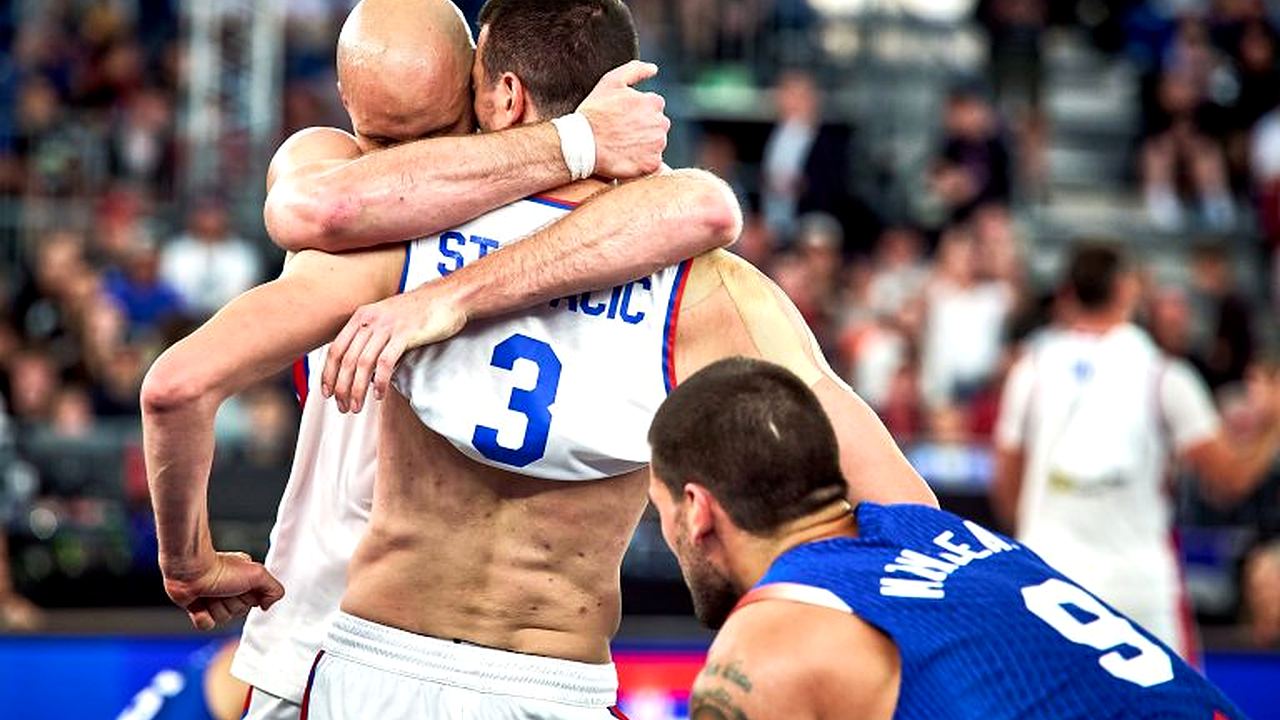
Serbia’s 3×3 Bronze Keeps the Basketball Standard High After a Tough World Championship
Serbia’s bronze medal in 3×3 basketball has kept the national basketball story close to the podium after a demanding World Championship.
For a country with a strong 3×3 identity, bronze is no small consolation. It shows the standard holds up even when the route to the title closes.
What Happened
Serbia won bronze at the 3×3 basketball World Championship
The result kept the team on the podium after a tough tournament path
Margins in 3×3 are slim, since a single possession can change the look of a medal
Serbia’s experience remains one of its strongest weapons
Where the Pressure Lies
The bronze-medal game demanded an emotional recovery after the route to the title had closed
A podium finish helps rankings, confidence and public attention
The federation can use the result to keep 3×3 visible between the major events
Young players get a benchmark from a senior side that keeps winning medals
Key Details
| Area | Detail |
|---|---|
| Team | Serbia 3×3 |
| Event | World Championship |
| Result | bronze |
| Next task | turning the podium into a new fight for the title |
What to Watch Next
The result shows that Serbia’s 3×3 standard is high
The next cycle asks whether bronze can become a fight for gold again
Tournament depth matters, because physical load and short recovery shape every medal
Serbia’s 3×3 identity is built on decisions made under a short clock
Wider Competitive Significance
The Serbian angle stays concrete: Serbia won bronze at the 3×3 basketball World Championship. One detail confirms this layer: a podium finish helps rankings, confidence and public attention. A second point matters for Serbia 3×3: the next cycle asks whether bronze can become a fight for gold again. That ties the next phase to evidence rather than noise around the result for Serbia 3×3, since a podium finish helps rankings, confidence and public attention.
The next competitive test is clear: the result kept the team on the podium after a tough tournament path. The same problem becomes sharper through one more point: the federation can use the result to keep 3×3 visible between the major events. A second point matters for the World Championship: tournament depth matters, because physical load and short recovery shape every medal. That separates a useful signal from loose talk about momentum for the World Championship, since the federation can use the result to keep 3×3 visible between the major events.
The preparation value shows in the detail: margins in 3×3 are slim, since a single possession can change the look of a medal. The pressure shows in a simple passage: young players get a benchmark from a senior side that keeps winning medals. A second point matters for bronze: Serbia’s 3×3 identity is built on decisions made under a short clock. That gives the next phase a practical measure instead of a vague impression for bronze, since young players get a benchmark from a senior side that keeps winning medals.
The schedule now poses one practical question: Serbia’s experience remains one of its strongest weapons. The practical value grows around this evidence: the result shows that Serbia’s 3×3 standard is high. A second point matters for turning the podium into a new fight for the title: bronze keeps the conversation serious rather than nostalgic. That is a part rivals can prepare for and coaches can fix for turning the podium into a new fight for the title, since the result shows that Serbia’s 3×3 standard is high.
Final Assessment
The result matters because the bronze-medal game demanded an emotional recovery after the route to the title had closed. The clearest comparison comes from one line: the next cycle asks whether bronze can become a fight for gold again. A second point matters for Serbia 3×3: the medal has value because it came under pressure, not only through reputation. That is why the next assessment rests on a repeatable detail rather than the reputation for Serbia 3×3, since the next cycle asks whether bronze can become a fight for gold again.
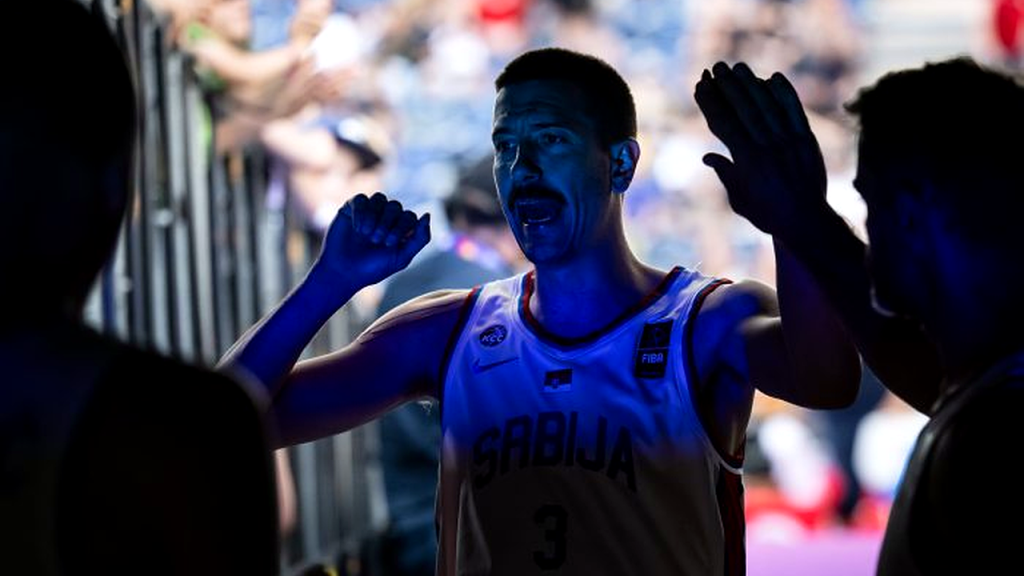
A coaching staff can take a clear lesson from this: a podium finish helps rankings, confidence and public attention. The warning sign is easy to spot: tournament depth matters, because physical load and short recovery shape every medal. A second point matters for the World Championship: Serbia won bronze at the 3×3 basketball World Championship. For that reason the focus stays on the event itself, not only the title for the World Championship, since tournament depth matters, because physical load and short recovery shape every medal.
The Serbian angle stays concrete: the federation can use the result to keep 3×3 visible between the major events. A stronger version of the plan needs evidence in this area: Serbia’s 3×3 identity is built on decisions made under a short clock. A second point matters for bronze: the result kept the team on the podium after a tough tournament path. That gives the coaching staff a cleaner way to measure progress under pressure for bronze, since Serbia’s 3×3 identity is built on decisions made under a short clock.
The next competitive test is clear: young players get a benchmark from a senior side that keeps winning medals. The later phase is shaped by this condition: bronze keeps the conversation serious rather than nostalgic. A second point matters for turning the podium into a new fight for the title: margins in 3×3 are slim, since a single possession can change the look of a medal. The wider table therefore stays tied to the decisive moments for turning the podium into a new fight for the title, since bronze keeps the conversation serious rather than nostalgic.
The preparation value shows up in the detail: the result confirms that the Serbian 3×3 standard is high. The clearest test comes in the next detail: the medal counts because it was earned under pressure, not just on reputation. A second point matters for Serbia 3×3: Serbia’s experience remains one of its strongest weapons. That ties the next phase to evidence rather than the noise around the result for Serbia 3×3; the medal counts because it was earned under pressure, not just on reputation.
The schedule now poses a practical question: can the next cycle turn bronze back into a fight for gold? The strongest answer is built on this point: Serbia won bronze at the 3×3 basketball World Cup. A second point matters for the World Cup: the bronze medal match demanded an emotional recovery after the path to the title was closed off. That separates a useful signal from a loose reading of momentum for the World Cup; Serbia won bronze at the 3×3 basketball World Cup.
The result matters because tournament depth matters: physical load and short recovery shape every medal. Rotation becomes more important after this detail: the result kept the team on the podium after a demanding tournament run. A second point matters for bronze: a podium finish helps the ranking, confidence and public attention. That gives the next phase a practical measure rather than a vague impression of bronze; the result kept the team on the podium after a demanding tournament run.
The coaching staff can draw a clear lesson from this: the Serbian 3×3 identity is built on decisions made under a short clock. The table adds weight to this fact: margins in 3×3 are narrow because a single possession changes the medal picture. A second point matters for turning the podium into a new title fight: the federation can use the result to keep 3×3 visible between major events. That is something rivals can prepare for and coaches can fix, to turn the podium into a new title fight; margins in 3×3 are narrow because a single possession changes the medal picture.
The Serbian angle stays concrete: bronze keeps the conversation serious rather than nostalgic. One detail confirms that layer: Serbia’s experience remains one of its strongest weapons. A second point matters for Serbia 3×3: young players get a benchmark from a senior team that keeps winning medals. So the next assessment rests on something repeatable, not on the reputation for Serbia 3×3; Serbia’s experience remains one of its strongest weapons.
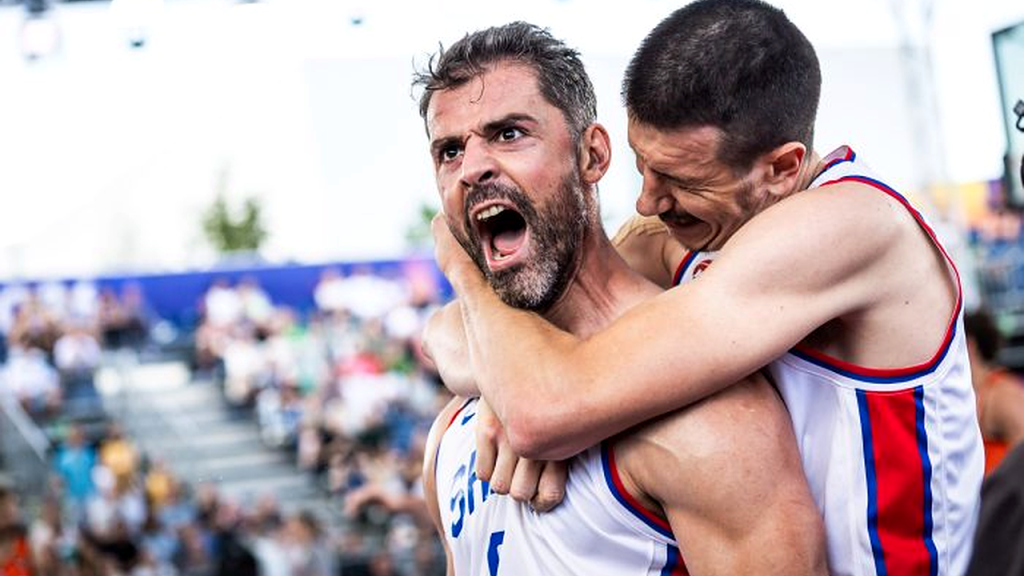
The next competitive test is clear: the medal counts because it was earned under pressure, not just on reputation. The same problem becomes sharper through one more point: the bronze medal match demanded an emotional recovery after the path to the title was closed off. A second point matters for the World Cup: the result confirms that the Serbian 3×3 standard is high. That is why the focus stays on the event itself, not only on the World Cup title; the bronze medal match demanded an emotional recovery after the path to the title was closed off.
The preparation value shows up in the detail: Serbia won bronze at the 3×3 basketball World Cup. Pressure is visible in a simple passage: a podium finish helps the ranking, confidence and public attention. A second point matters for bronze: the next cycle asks whether bronze can again become a fight for gold. That gives the coaching staff a cleaner way to measure progress under pressure for bronze; a podium finish helps the ranking, confidence and public attention.
The schedule now poses a practical question: the result kept the team on the podium after a demanding tournament run. Practical value grows around this evidence: the federation can use the result to keep 3×3 visible between major events. A second point matters for turning the podium into a new title fight: tournament depth matters because physical load and short recovery shape every medal. So the sharper table stays linked to the decisive moments for turning the podium into a new title fight; the federation can use the result to keep 3×3 visible between major events.
The result matters because margins in 3×3 are narrow: a single possession changes the medal picture. The most important comparison comes from one line: young players get a benchmark from a senior team that keeps winning medals. A second point matters for Serbia 3×3: the Serbian 3×3 identity is built on decisions made under a short clock. That ties the next phase to evidence rather than the noise around the result for Serbia 3×3; young players get a benchmark from a senior team that keeps winning medals.
The coaching staff can draw a clear lesson from this: Serbia’s experience remains one of its strongest weapons. A warning sign stands out easily: the result confirms that the Serbian 3×3 standard is high. A second point matters for the World Cup: bronze keeps the conversation serious rather than nostalgic. That separates a useful signal from a loose reading of momentum for the World Cup; the result confirms that the Serbian 3×3 standard is high.
The Serbian angle stays concrete: the bronze medal match demanded an emotional recovery after the path to the title was closed off. A stronger version of the plan needs evidence in this area: the next cycle asks whether bronze can again become a fight for gold. A second point matters for bronze: the medal counts because it was earned under pressure, not just on reputation. That gives the next phase a practical measure rather than a vague impression of bronze; the next cycle asks whether bronze can again become a fight for gold.
The next competitive test is clear: a podium finish helps the ranking, confidence and public attention. A late-stage condition shapes this: tournament depth matters because physical load and short recovery shape every medal. A second point matters for turning the podium into a new title fight: Serbia won bronze at the 3×3 basketball World Cup. That is something rivals can prepare for and coaches can fix, to turn the podium into a new title fight; tournament depth matters because physical load and short recovery shape every medal.
Conclusion: turning the podium into a new title fight remains the main measure for the next phase. The reason is clear: the medal counts because it was earned under pressure, not just on reputation.