
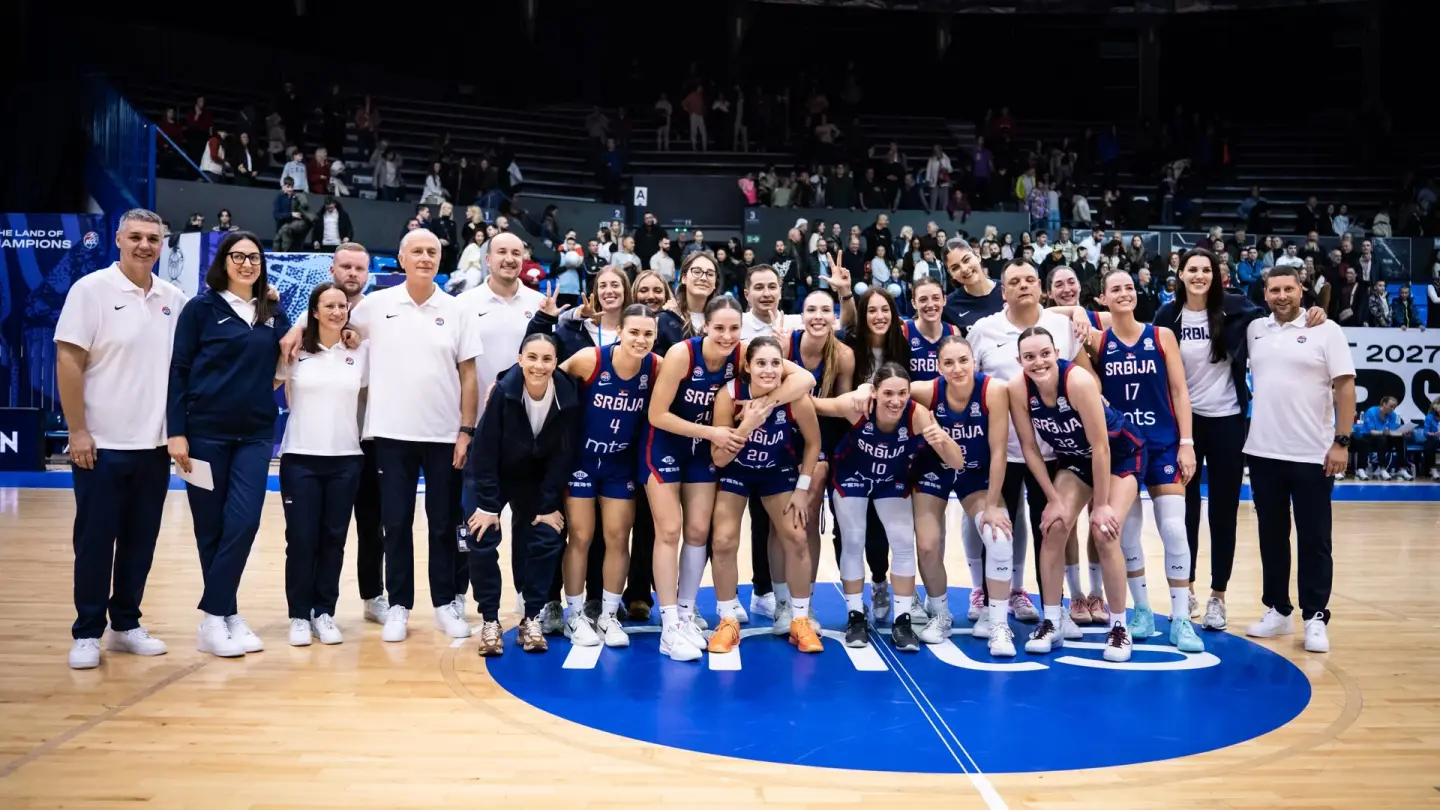
The first quarter set the tone
Serbia opened the game with aggressive defence on the ball and well-timed closeouts. Greece struggled to get a clean first shot, while the home side pushed the ball quickly after each rebound and attacked before the defence could set. A 23:14 first-quarter score showed how well that tempo suited Serbia.
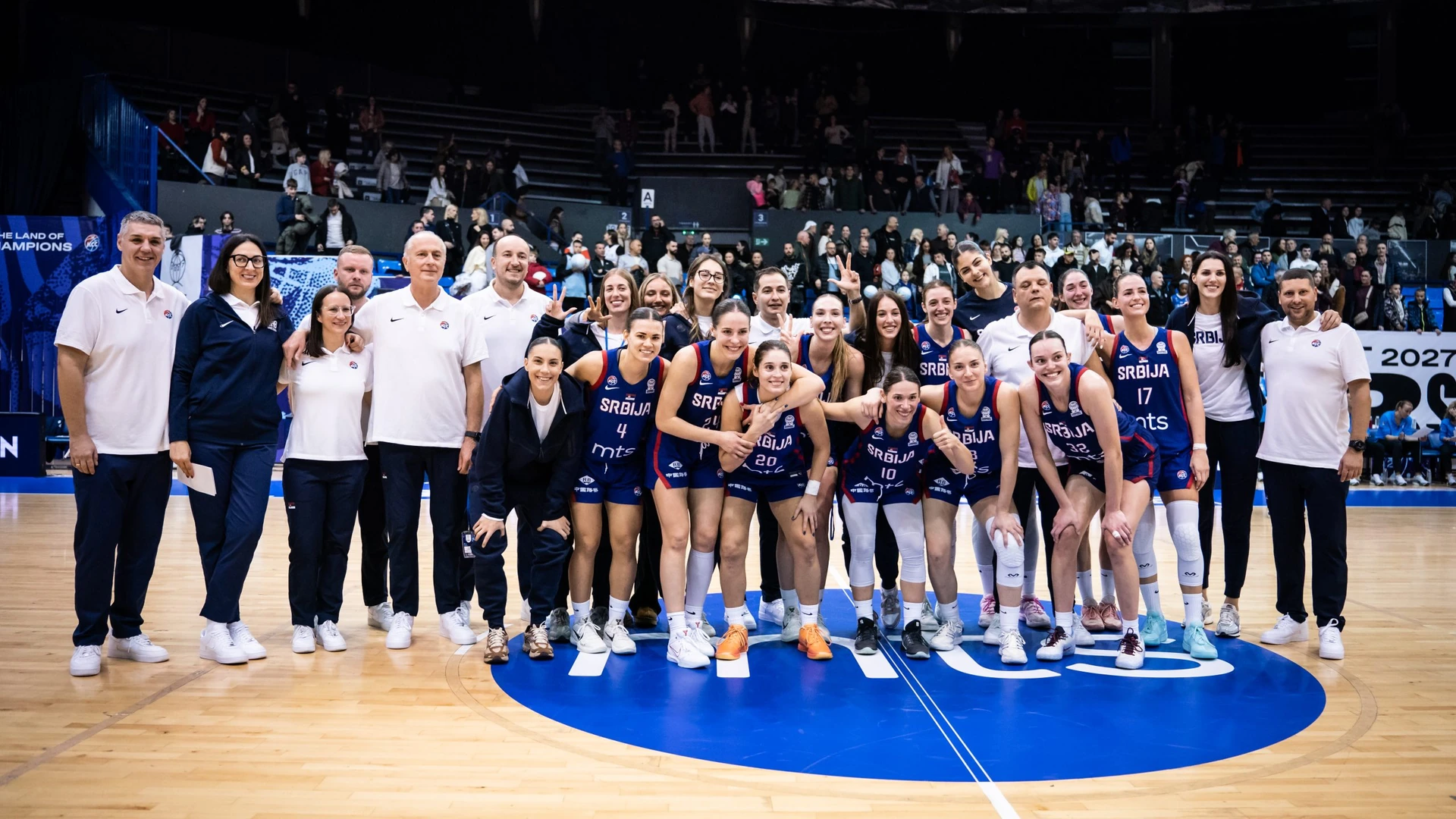
The attack also did not hinge on a single player. The ball moved from one side to the other, and drives opened room for outside shooting. Whenever Greece closed off the middle, Serbia found a free teammate rather than finishing a possession through a crowded lane.
Greece came back but never took the lead
The match was played on 11 November at the Ranko Žeravica Sports Hall. The second quarter ended 17:17, so Serbia went into the break with a comfortable margin. After the interval Greece increased the pressure, won the third period 20:19 and forced the home side to organise each possession more carefully.
Serbia did not try to solve the problem with quick shots. The guards slowed the first part of their possessions, waited for the screen and attacked a more favourable matchup. That approach reduced turnovers at the moment Greece was looking for a run that could completely change the game.
The closing minutes belonged to the calmer side
In the final ten minutes Serbia scored 25 points and conceded 23. The gap is not large, but the way it was protected matters. The home side made use of every foul by the opponent, spread the ball well around the perimeter and stopped Greece from landing several easy transition baskets.
The defence reacted especially well after missed attacks. Rather than pressing without cover, the first players slowed the ball down while the others got back to the paint. Greece therefore often had to play against a set defence, where Serbia had clearer assignments.
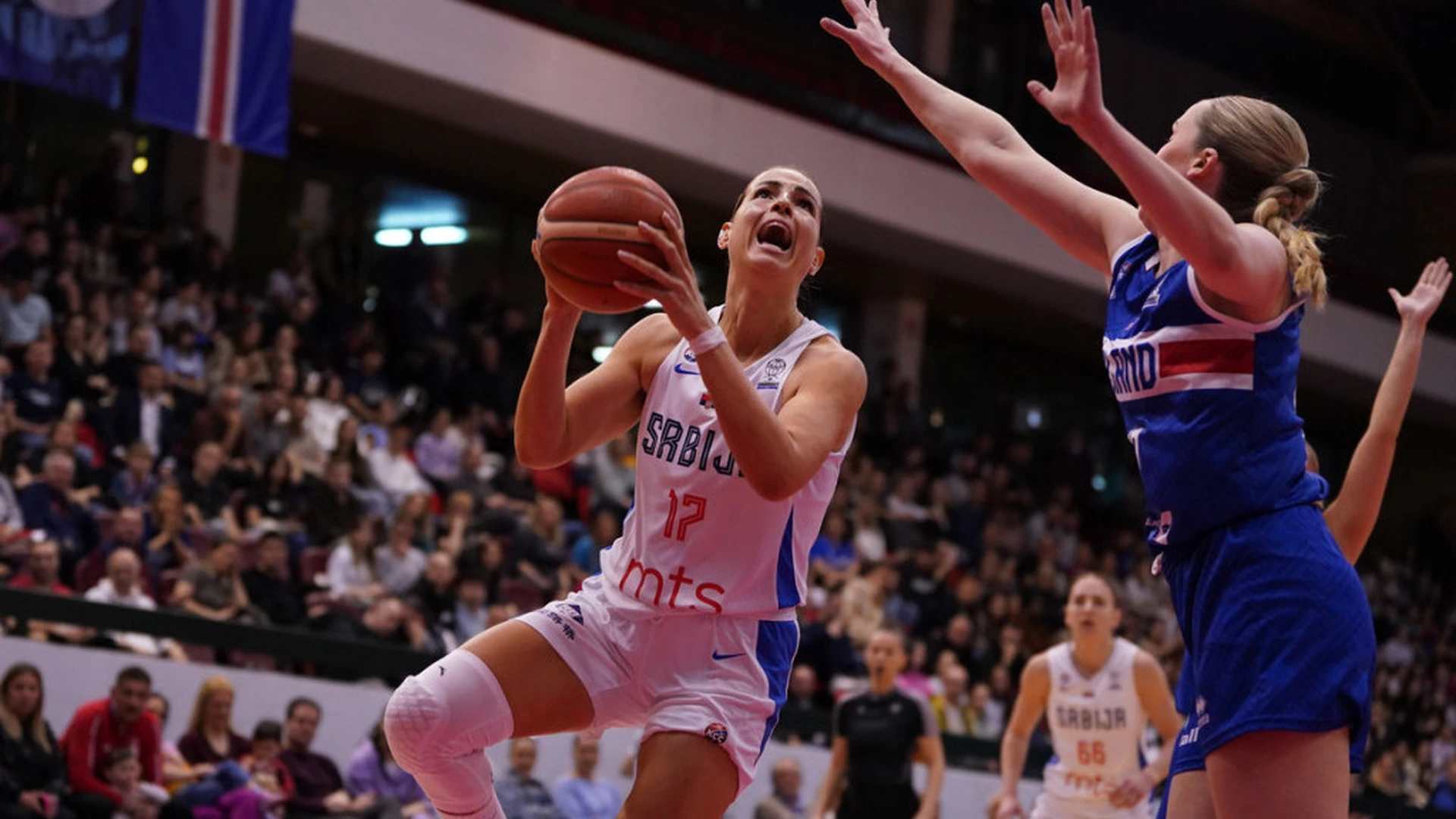
Two away games follow in quick succession
The win gave Serbia its first success in Group L of the second phase. The team travels to the Netherlands in Almere on 14 November, then plays Slovakia in Bratislava on 17 November. The short gap between the two games makes the distribution of minutes and rapid recovery all the more important.
The most useful lesson from the Greece game is that Serbia can respond when an opponent changes its rhythm. The match against the Netherlands will require the same patience and even tighter control of the boards. A steady first pass after winning possession can again open easy points without forcing shots unnecessarily.