
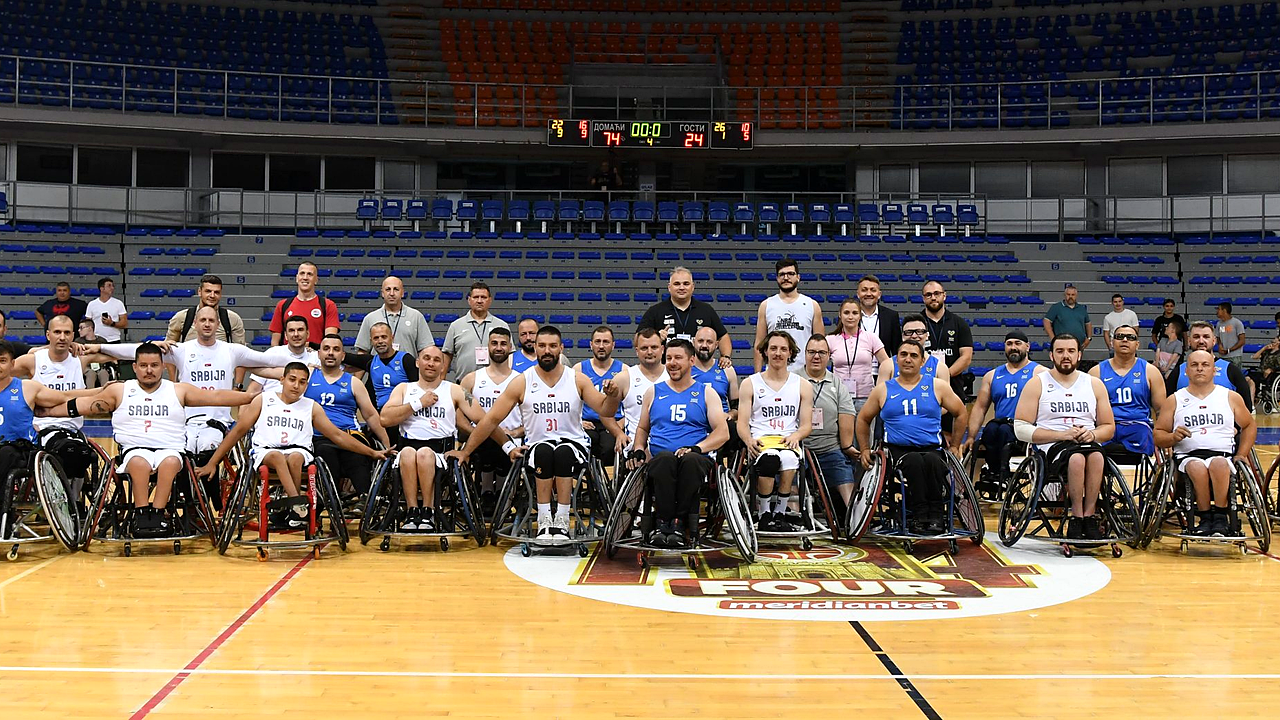
Serbia’s wheelchair basketball side produced something more useful than a simple positive result with its two wins over Romania. It gave the coaching staff a practical step forward.
Two games in a row carry weight because they test adjustment. The team had to show that the second match could respond to what the first one exposed.
What has actually changed
The news starts plainly: Serbia beat Romania twice in wheelchair basketball. That is not the only factor that shifts the assessment. It makes the result more usable within the programme, which is why this match or decision should be read through the next step it enables, not just the scoreline.
The two victories over Romania matter because the second game checked whether Serbia could answer an opponent that already had fresh footage of them. Within that picture, the key point is that the pair of games gave the technical staff two linked checks. The second match was rarely a copy of the first.
Where the pressure shows first
Wheelchair basketball rewards spacing, chair control and a quick defensive recovery. That setting demands a cool analysis, because these details decide whether a possession turns into a good shot.
In practice everything comes down to movement angles, the timing of screens, recovery in transition and shot selection in the final seconds of an attack. The second win carries value because the opponent already had fresh evidence from the first game, so the next reaction could not rest on emotion alone.
Serbia can compare line-ups and late-game decisions. That information is worth more than a single final score. It is the detail that shows whether the group genuinely controls the tempo or is simply responding to pressure.
Key details
| Area | Detail |
|---|---|
| Team | Serbia wheelchair basketball |
| Rival | Romania |
| Frame | two wins in a linked test |
| Main value | evidence of adjustment for the next camp |
Why the detail matters beyond the headline
A programme needs visible results to build development momentum. Public results help keep discipline in view. If that part is missing, good news stays isolated and never feeds into wider planning.
Technical discipline matters as much as shooting rhythm. The game punishes small positioning errors quickly. That is why the next training session, camp or match now has a clearer purpose.
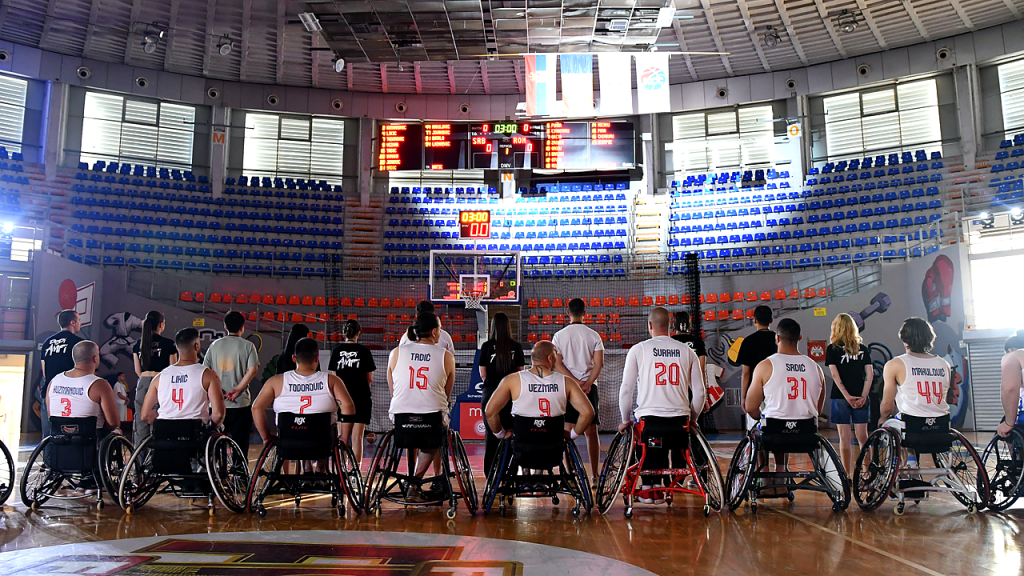
The next camp now starts from concrete footage rather than abstract goals. That is a sounder basis for coaching. This is the practical value of the story for Serbian sport.
The worth of the double win lies in removing one doubt: whether the first result was a fluke.
Romania had time to adjust, yet Serbia again found a way to control the game.
That points to habits rather than one good spell. In wheelchair basketball, habits are everything: angles, screens, chair position and defensive recovery have to come together.
The coaching staff now has two games to study as a pair. What worked once, what worked twice, and what changed when Romania responded?
Those answers are worth more than the margin.
For Serbia, the double win is a programme result with real coaching value.
The next test
The key is that the next check should not be read apart from this story. In wheelchair basketball, small details quickly show whether progress is real: communication, rotation on court and the ability to repeat a plan under pressure.
That is why Serbia’s wheelchair basketball double win over Romania gives a practical foundation that goes beyond a short report. It offers a framework for tracking the next decision, the next match and how the coaching staff uses what it has now gained.
The double win over Romania gives Serbia’s wheelchair basketball a concrete base: a result, a comparison and a foundation for the next piece of work.
One more layer matters: movement angles, the timing of screens, recovery in transition and shot selection in the final seconds of an attack. That part does not always look spectacular, but it decides whether good news turns into a steady way of working.
When the next test arrives quickly, the priority is for Serbia not to lose the link between plan and performance. If that link stays clear, this story carries more weight.
The staff will also measure the quieter details: communication, rotation, timely reaction and the first response after pressure. These are often more reliable than a single good scoreline.
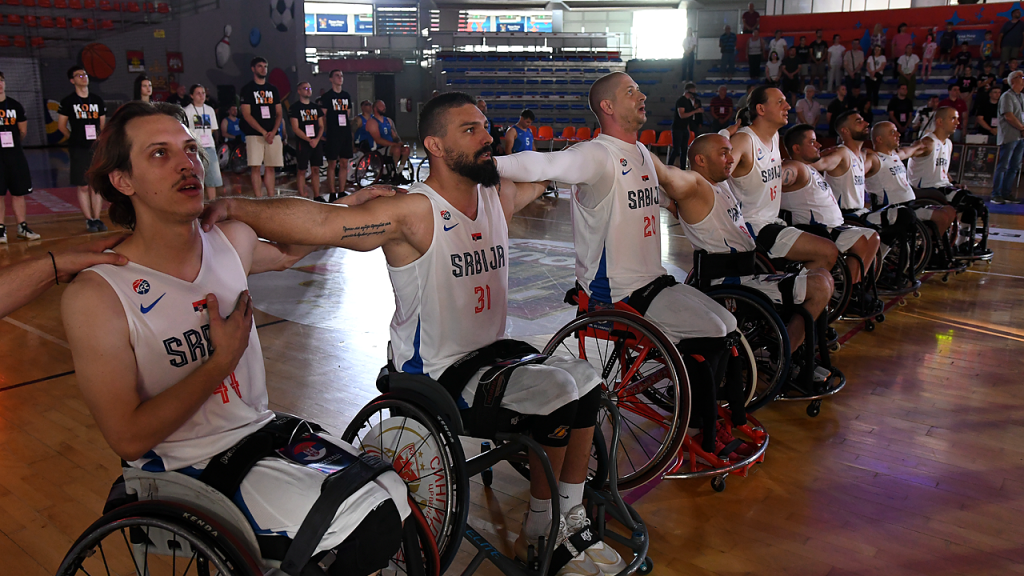
A strong next step would tie this news to the wider programme. A weaker response would reduce it to a brief report with no serious follow-up.
That is why the story is best followed through the next practical decision. The next line-up, camp or match will show whether the positive signal has truly taken hold.
A result or appointment is worth most when it changes everyday work. That is the difference between a useful foundation and a headline that fades quickly.
The wider calendar gives this news extra meaning. Serbia does not need a dramatic answer so much as a repeatable one, built on the same details.
That repeatability is the real test. If it shows up again, this step becomes part of a clear direction rather than just one encouraging moment.
The next practical layer is how the group carries the same habits into a different setting. A result means more when it holds up against a new opponent, a new venue or a new working week.
So the next check needs to be calm and concrete. The key question is whether the same good things remain visible when the rhythm of the matches changes.
Serbia can only use this moment as a platform if the coaching staff turns it into clear demands. Players need to know what was good enough and what still requires work.
A precise meeting after the match gives the story a longer life. Without one, the same information stays a line on the calendar rather than a step in development.
The greater value lies not in inflating the moment but in reading what it reveals about preparation, roles and the ability to respond before the pressure rises.
Those elements will decide what comes next. Once they are in order, Serbia can build on the result or decision without leaning on emotion alone.
There is a human side too, because every player or member of the coaching staff has to understand how a detail affects everyday work. That is why the next training session is more than a routine continuation.
If the group passes the message on properly, the next match should look more controlled in the areas already mentioned. That is the true proof of progress.
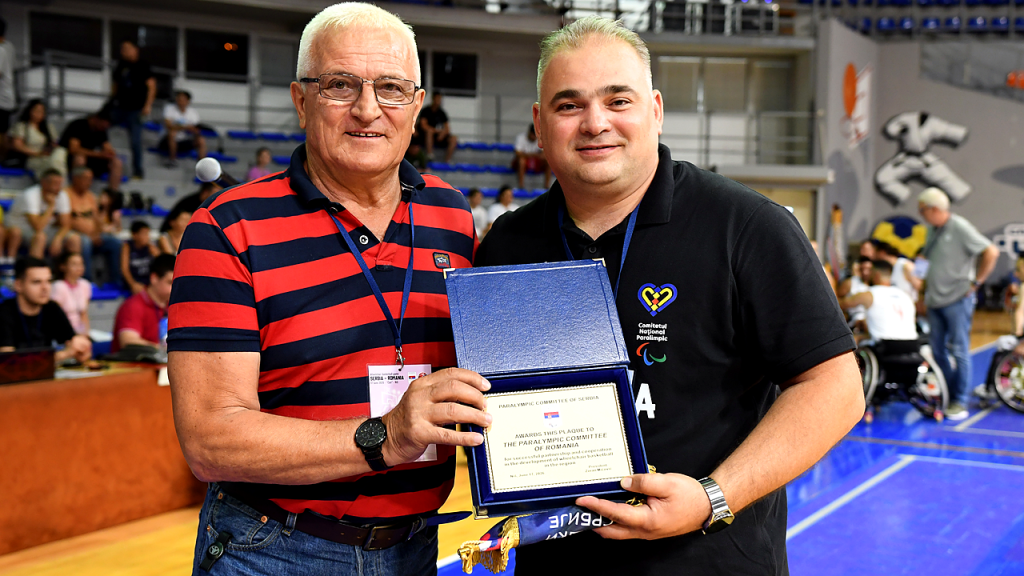
This framing keeps the story close to the sport itself. It does not treat the news as a slogan, but follows the actions that can be checked on the court, in the pool or within the programme.
The next result will not explain everything, but it can show whether the direction is becoming clearer. That is enough to justify following the story further.
A particular point is how pressure travels through the national team schedule. One good response may settle the squad, but the coaching staff only confirms the trend over the days that follow.
So the most important proof may be quiet: cleaner decisions, less rushing and a group that recognises the same situations sooner.
The federation angle is practical too. A development or senior result is worth most when it points the way towards the next selection, camp or tactical adjustment.
If that path becomes visible, the current news helps the programme organise itself better. If it stays unclear, the positive moment will be harder to put to use.
The closing read has to stay close to the people doing the work. Players and coaches must turn a public signal into habits that survive travel, fatigue and a different opponent.
That is the part fans should watch next. A result or decision starts the story, but the daily response determines whether it gains real significance.
There is also a question of rhythm. Serbia often works through congested fixtures, so the value of any one piece of news depends on how quickly the group can process it and move on to the next task.
A controlled response would show maturity. It would also give the coaching staff a better basis for judging who is ready for a bigger role.
That is why this news looks more like a checkpoint than a destination. It shows what can be used now and what must be repeated before the next test under greater pressure.
The difference matters because short-lived confidence fades fast. A stronger base is built when the same details remain visible across several tests.
For readers, the key is to watch for the next concrete sign rather than wait for a big conclusion. That sign might be a rotation choice, a defensive habit or the way Serbia manages a demanding stretch.