
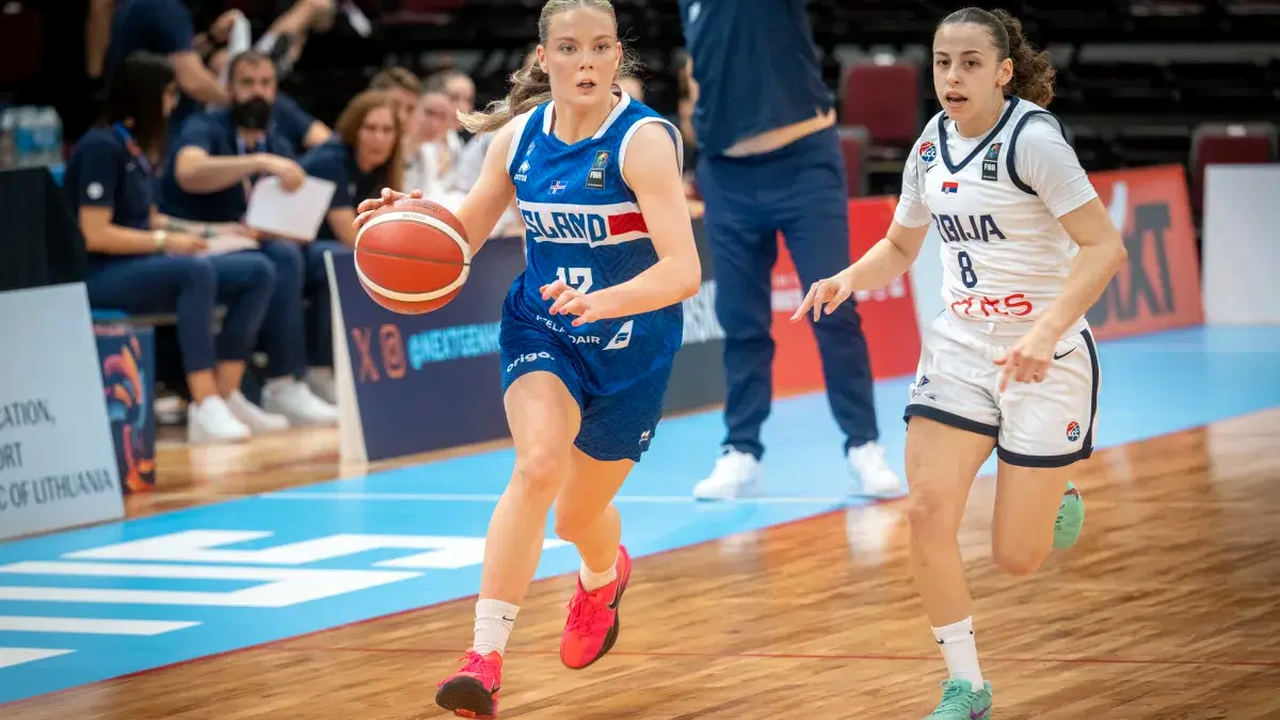
An opening defeat immediately changes the group
Serbia U20 did not start the tournament the way they had hoped. The loss to Iceland does not end the competition, but it leaves little room for a gentle learning curve. Every game from here needs a clearer plan and fewer gifted possessions.
The bigger issue is not just the scoreline. It is the way the closing stages exposed weaknesses. When a game is decided in the final minutes, a lost ball, a late rebound or a rushed shot without balance costs far more than it would in the first quarter.
For a young side, this can be a useful lesson if it is read calmly. Serbia need to identify what kept repeating, not simply regret the chance that slipped away.
What needs fixing
| Match | Serbia U20 lost to Iceland in the tournament opener. |
|---|---|
| Main problem | Slow decisions and turnovers in the closing stages. |
| Defensive task | Tighter rebounding and fewer easy points for the opponent. |
| Offensive task | More patience when the first option is not available. |
| Next goal | A quick response in the next group match. |
The finish calls for simpler decisions
In the final minutes, the team with the prettiest attack does not always win. Often it is the side that knows its first job. Against Iceland, Serbia too often looked like a team still choosing between a plan and a reaction.
This showed up in the speed of shots and in positioning after a miss. Shoot too early and the return to defence arrives late. Hold the ball too long and the defence has time to close the paint. What is needed is a middle path: decisive, but never frantic.
Coaches now have concrete material to work with. The entire team picture does not need rebuilding. The closing sequences do: who receives the first pass, who opens the angle, who attacks the glass and who stops the counter.
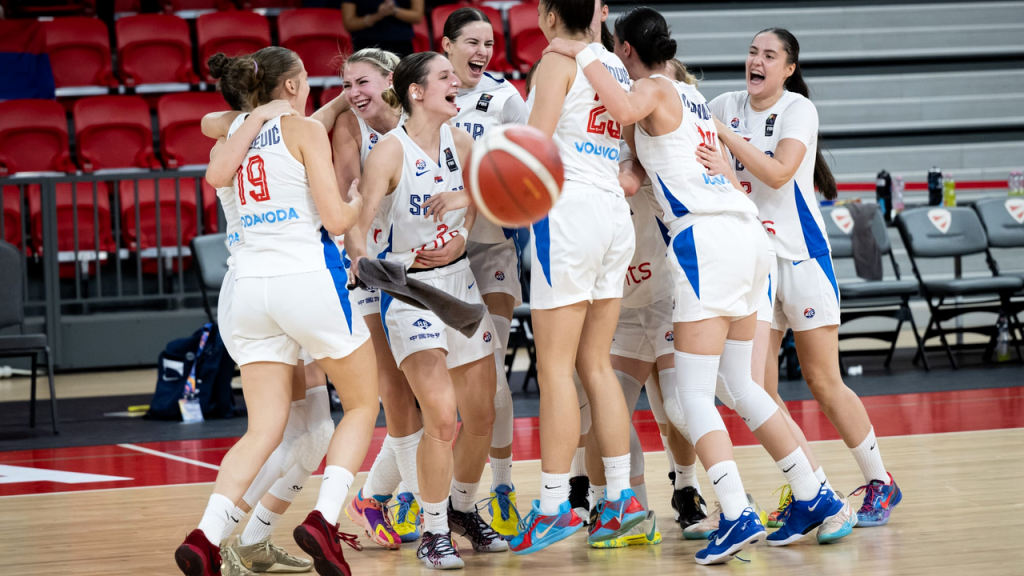
The defensive rebound must come first
Iceland breathed most easily when they could extend possessions or collect easy baskets from Serbia’s disorganised sets. Those moments sting because they do not require great quality from the opponent. One second of delay is enough.
Serbia must treat the rebound as a collective job. The centres cannot close everything alone. The guards have to help, the wings must box out, and the first outlet pass after a rebound has to be secure.
If that area improves, the attack will look calmer too. A team that trusts it can defend the next possession does not need to treat every shot as a verdict.
The defeat must not create fear of responsibility
The greatest danger after a loss like this is that players start avoiding the decisive moment. That would be worse than the mistakes themselves. Serbia still need to attack boldly, but with clearer rules.
Responsibility means knowing when to finish and when to pass. It means accepting contact without giving up the ball. It means taking an open shot, not forcing a difficult one just because the clock is running down.
In that sense, the defeat to Iceland can prove useful if it brings order quickly. The group is short, but it is far from over. The reaction will show whether this was merely a poor start or the beginning of a bigger problem.
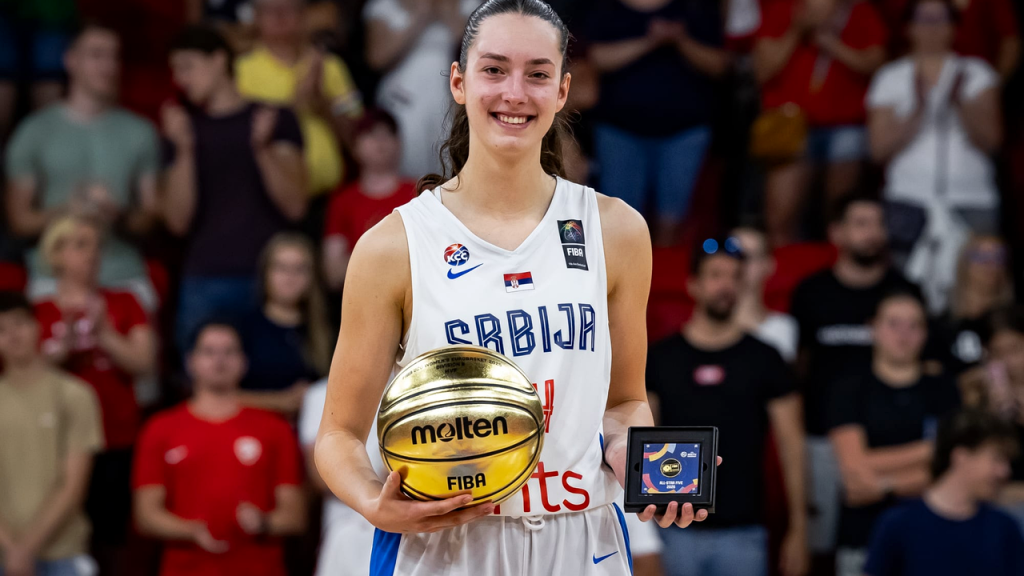
The next match must show a different body language
The quickest way to move past the defeat is a change in energy when the team next takes the floor. Serbia do not need to be perfect straight away. They need to show they understand where control slipped away.
That means a firmer first contact on defence, a safer first pass and fewer dead minutes when the attack relies on a single individual move. If those things improve, the result will have something to build on.
For this group, the key is not to carry Iceland through the rest of the pool as a burden. It should be carried as a warning. Late-game moments are not waited for; they are prepared for from the first possession.
If Serbia accept that, the defeat can become the start of a repair rather than a label on the whole tournament.
That response would matter for confidence too. A young team continues more easily when it sees that mistakes are not only punishment but also a concrete list of things that can be corrected straight away.
The rotation also needs a clearer order. If the bench comes on only to survive minutes, the rhythm will keep dropping. If every player is given one precise task, Serbia can spread their energy and enter the closing stages with more freshness.
The next match, then, should not be a search for perfection but for better rules. Fewer turnovers, an earlier closeout on the rebound and a more secure attack after a timeout would be enough to show real progress.