
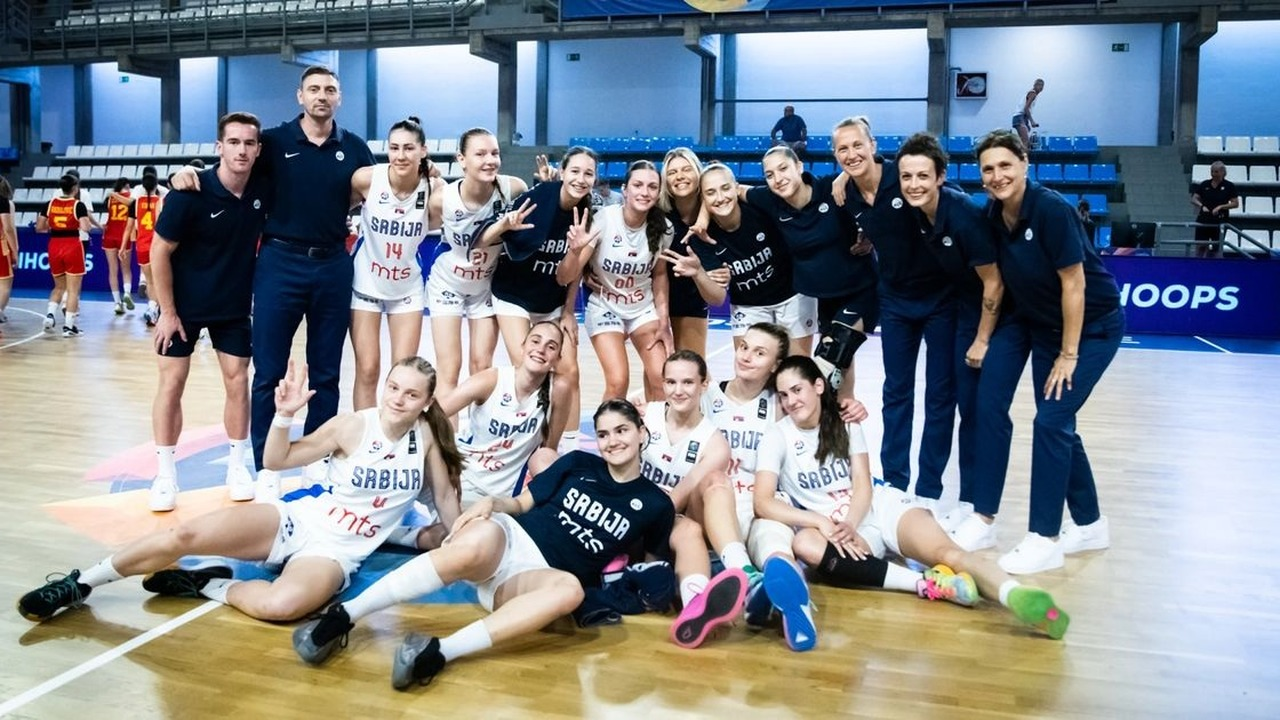
Serbia have booked a place in the semi-final of the European Under-18 Women’s Championship. Serbia will meet Spain in the last four in Stockholm.
Serbia opened their campaign in Group D alongside Poland, Latvia and Croatia. A successful run through the knockout phase carried the squad into the top four.
Serbia’s path through Group D
Serbia began the tournament against Poland, then faced Latvia and Croatia. Those three games decided their position before the round of 16. Each opponent posed a different tactical and physical test. Latvia played at a fast pace, Croatia were a familiar regional rival, and Poland tested the strength of Serbia’s defence. Over those days Serbia settled their minutes distribution. A short tournament demands contributions from a wide group of players.
All teams advanced to the knockout stage, but their group placing determined the next opponent. Serbia progressed along that route to the semi-final. The players adapted to the officiating and the tempo of the championship. That experience becomes especially valuable in close finishes. Reaching the top four confirms that they came through those stages successfully. The next game brings the toughest examination so far.
Spain arrive after a convincing quarter-final
Spain beat Italy 95:41 in the quarter-final. The wide margin showed the depth of their squad and their strong pressure in defence. Serbia will face a different task from earlier rounds. Spain quickly punish turnovers and use a large number of players. A secure ball-handling display will reduce the chances of easy points. A well-set defence will give Serbia more time to control the rhythm.
Rebounding is another important part of the match. Spain extend their possessions when the opponent fails to secure the first missed shot. Serbia have already withstood the pressure of the knockout phase. Now the same calm approach is needed against a side that advanced convincingly. The score starts at 0:0 despite Spain’s quarter-final win. Serbia want an even start and calm control of the opening attacks.
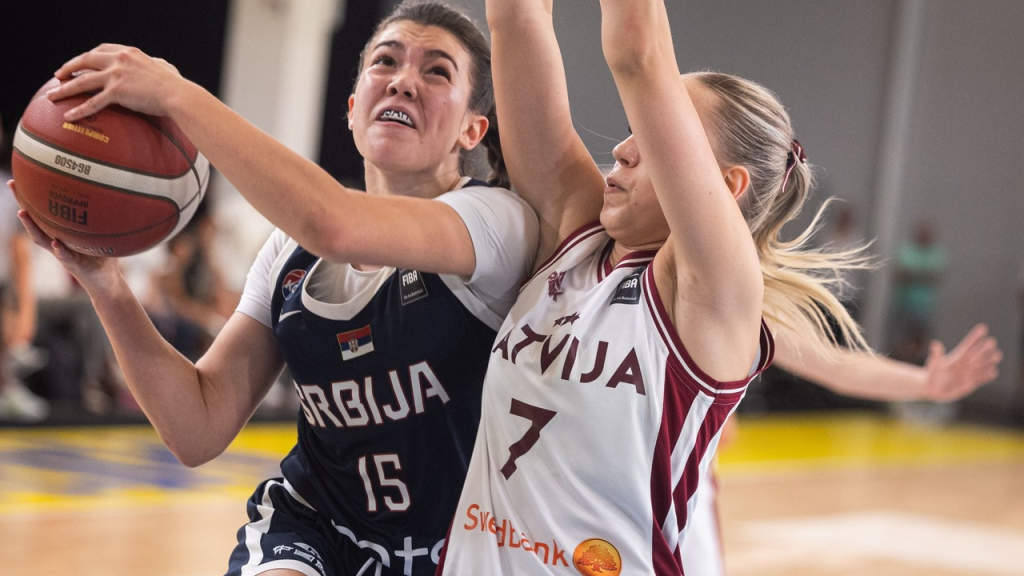
Serbia’s Under-18 women during the match.
The winner goes to the final and wins a medal
The championship gives European teams five places at the 2027 Under-19 World Championship. Reaching the semi-final puts Serbia in a very good position to pursue that target. The squad has also stayed in contention for a medal. A win over Spain leads into the Sunday final. A defeat would send Serbia into the bronze-medal match later the same day.
Both paths therefore include one more important game. The players must pace their energy carefully over the closing weekend. The coaching staff will use the rest day for specific defensive assignments. The main foundation remains the plays the team has already executed well. Reaching the semi-final rewards Serbia’s performances so far. At the same time it brings a completely new game against a different rival.
Spain scored 95 points in the quarter-final
Serbia can slow Spain’s transition with a well-organised offence. That gives the defence more time to get back. Clear passing lanes reduce the number of risky passes. Spain’s pressure becomes more dangerous when a player receives the ball near the sideline. Communication will matter in defence during screens. Spain punish any late switch with quick ball movement.
Serbia have enough height to compete in the paint. The guards must also help on the boards and finish defensive possessions. Free throws can decide a close game. Young players often feel the greatest pressure in exactly those quiet moments. The semi-final will be decided by the plays executed on the floor, not by earlier results. Serbia enter the game as one of the four best teams in Europe.
Serbia used a deep rotation throughout the tournament
Reaching the semi-final requires several wins within a single week. The starters carry a heavy load, but minutes off the bench keep the team fresh across the entire schedule. Serbia have had different scorers during the tournament. Spain therefore cannot stop the whole attack by removing just one option. The width of the rotation matters during demanding defensive minutes too. Rested guards maintain the pressure, while the centres share personal fouls under the basket.
Spain’s quarter-final showed how quickly a deep bench can widen a margin. Serbia respond with consistent minutes from every lineup they use. The semi-final may bring several changes in rhythm. A good substitution stops a run without a complete change of approach. Serbia have experience from earlier knockout matches. The players have already felt the pressure that accompanies every possession in such a game.
Serbia reached the semi-final with knockout wins
Serbia reached the top four after the group stage and their first knockout matches. Each round increased the pressure on important possessions. Spain also had a successful route to the semi-final. Their wide squad gives them scoring from several positions.
Serbia drew points from different players throughout the tournament. That balance protected their attack whenever one option was well guarded. Two successful and consistent teams now meet in the semi-final. Earlier results explain how each side got there, and the next forty minutes will decide who reaches the final.