The Away Trip Did Not Turn Uncomfortable
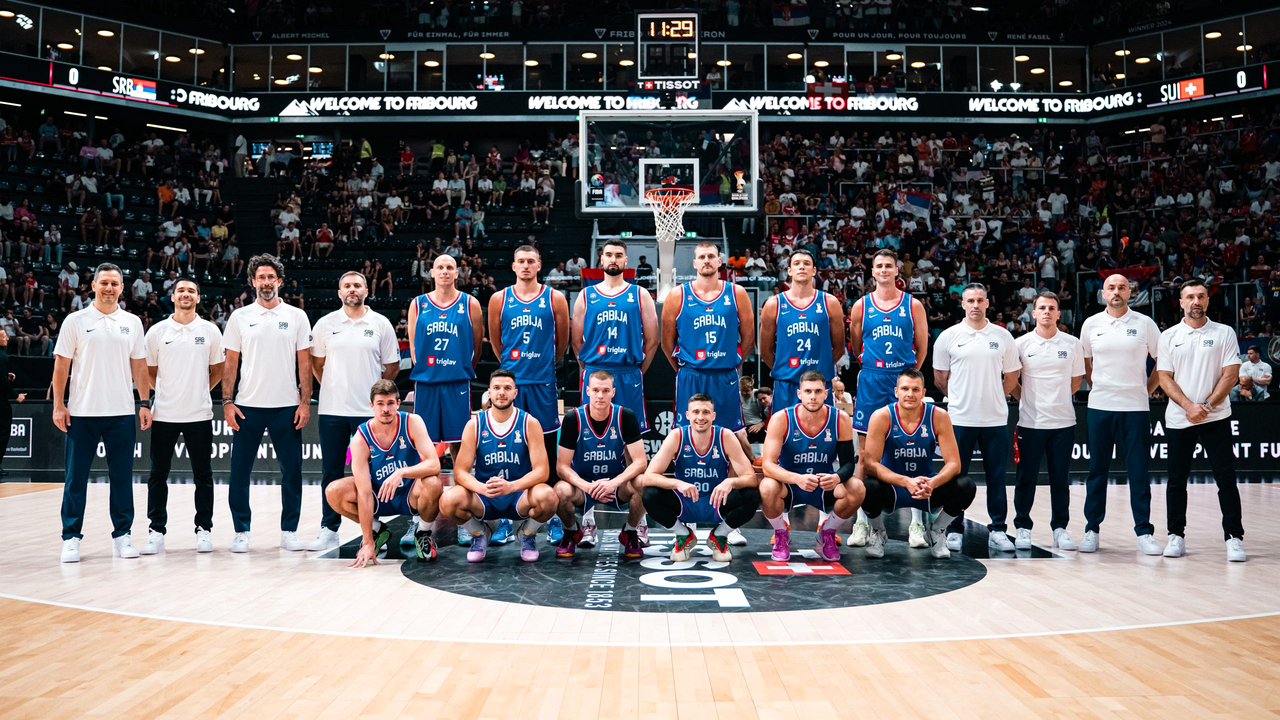
Serbia’s 97:73 win over Switzerland in Fribourg may look routine if you only glance at the scoreline. Its real worth lies in the fact that the game never took on a jittery shape. Home conditions, the July FIBA window and the unavoidable rotation changes did not knock Serbia off course.
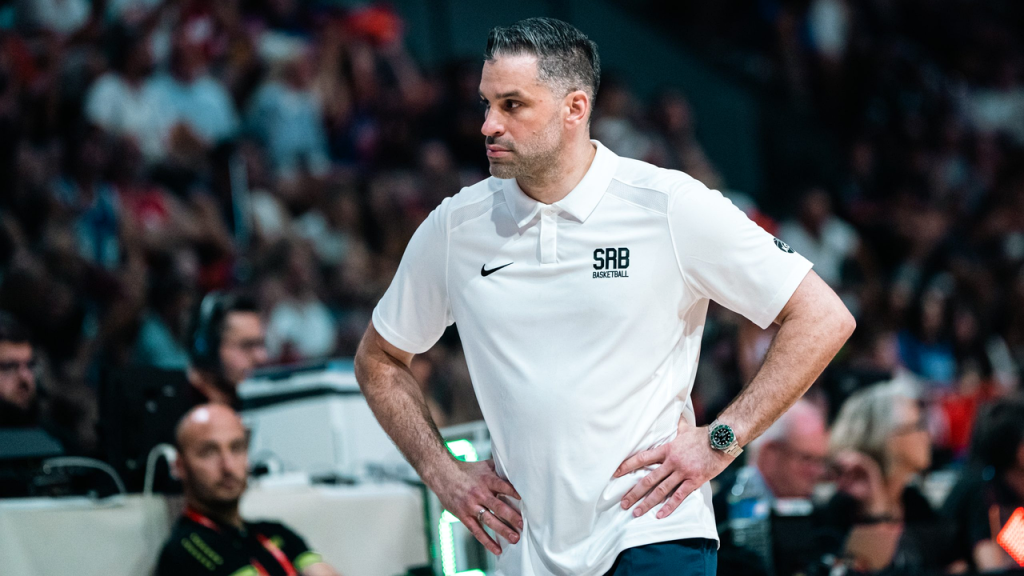
That is the first encouraging sign for Dušan Alimpijević. Qualifying windows rarely offer ideal conditions. What matters is building enough structure around the players available, avoiding a poor quarter and not letting the favourite drift into damage-limitation mode.
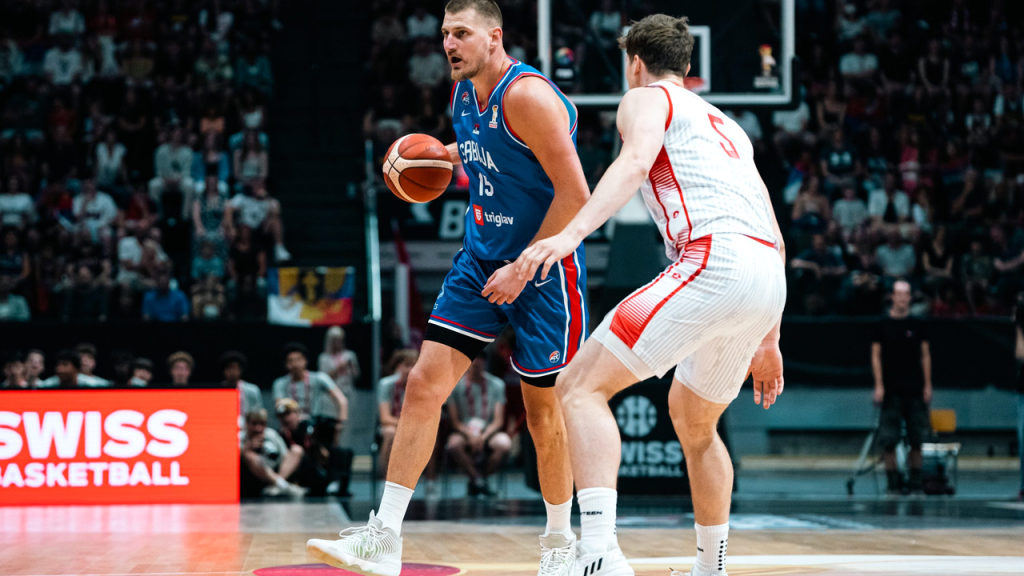
Serbia controlled almost the entire evening. So the gap is not merely the product of a late Swiss fade, but the result of a serious approach sustained across several phases of the game.
What the Win Delivers
| Result | Switzerland 73:97 Serbia in Fribourg. |
|---|---|
| Competition | In this July qualifier, Serbia were chasing a place in the second round. |
| Coaching angle | Dušan Alimpijević gets evidence that the group can play consistently without an ideal roster. |
| Main takeaway | Control of the tempo, a serious approach and no nervous finish. |
| Next objective | Keep the same level of accountability when the circumstances become less comfortable. |
The Second Round Changes the Tone of the Story
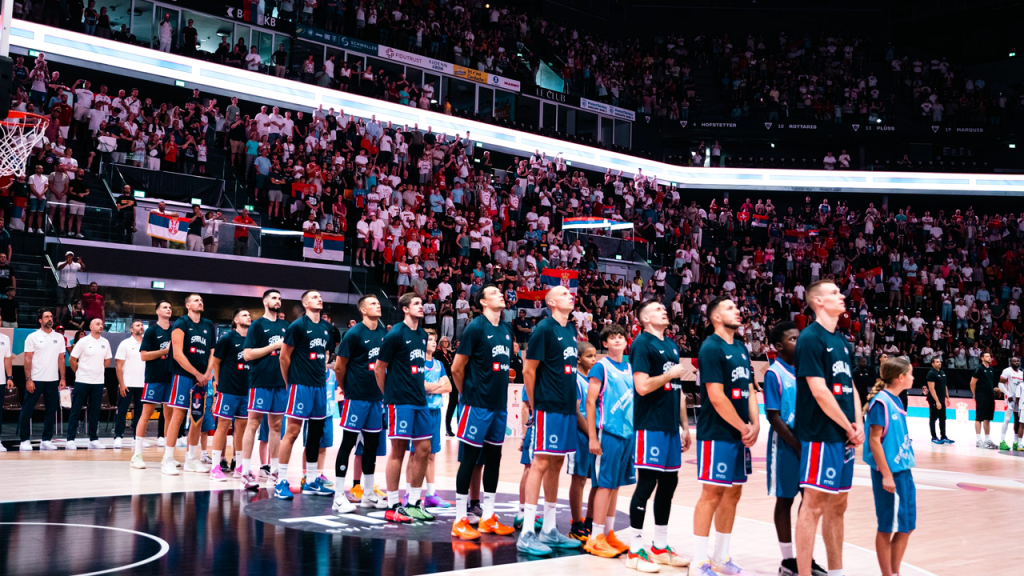
The win has a clear practical effect: Serbia have secured a place in the second round of World Cup qualification. That shifts the mood going into the next window. The result is not just another entry in the table, but a lighter load and a stronger base to build on.
A result like this must not breed complacency. If anything, it should serve as proof that a serious approach pays off in calm conditions. When a squad knows it can win on the road without drama, it becomes easier to demand the same standard in the matches ahead.
That is precisely what Serbia took from Fribourg: a win that spent little emotional energy yet provided enough evidence that the group has a functional framework.
Alimpijević Needed Reliability More Than Spectacle
In windows like this, a coach does not simply look for the prettiest plays. He needs players who understand when to accelerate, when to settle into a defensive stance and when an attack must not end with the first half-open shot. Against Switzerland, Serbia showed exactly that kind of reliability.
The lead was not built on a single burst but on repeated good decisions. That matters, because qualifiers often punish teams who underestimate the tempo, the travel or an opponent that carries little public pressure.
Alimpijević now has a solid basis for talking to his players: this is the level of accountability he expects even when the opponent is quicker, physically stronger or more dangerous on the scoreboard.
The Margin Offers More Than Comfort
A 24-point margin does not merely mean Serbia were better. Such a gap gives the coaching staff a chance to see what works across different lineups. In qualifiers this is especially useful, because the same roster is not always available in the next window.
If a principle holds regardless of who is on the floor, the programme gains stability. In Fribourg that principle was clear enough: a defence that does not panic, an attack that does not force shots and rebounding that does not hand the opponent too many second chances.
Of course, the result should not be overrated. Switzerland are not a measure of everything Serbia will face. But the way the game was played is a measure of seriousness, and on that front the signs were good.
The Next Test Is the Same Level of Seriousness
The biggest challenge after a win like this is repetition. An easy evening can create the impression that control will simply arrive on its own. Serbia must bring the same entry into the contest, the same attitude to the boards and the same rhythm in transition when a tougher opponent arrives.
If they do, Fribourg will be more than a pleasant qualifying stop. It will serve as an example of how a national team can get through an awkward window without needless nerves.
That is the most important message of the 97:73 win. Serbia did the job, secured the second round and showed that a calm game can be just as valuable as a spectacular one.
It is also worth noting that the team did not have to depend on one dramatic burst. When a win looks stable, the coach gains more material for the next block of work: who can hold the rhythm, who understands the defensive tasks and who does not lose focus when the lead grows.
Matches like this often seem less important than big derbies, yet qualifiers are built precisely on such games. In Fribourg Serbia did what a serious national team has to do as the favourite: they established the difference early and did not let the game become complicated.