
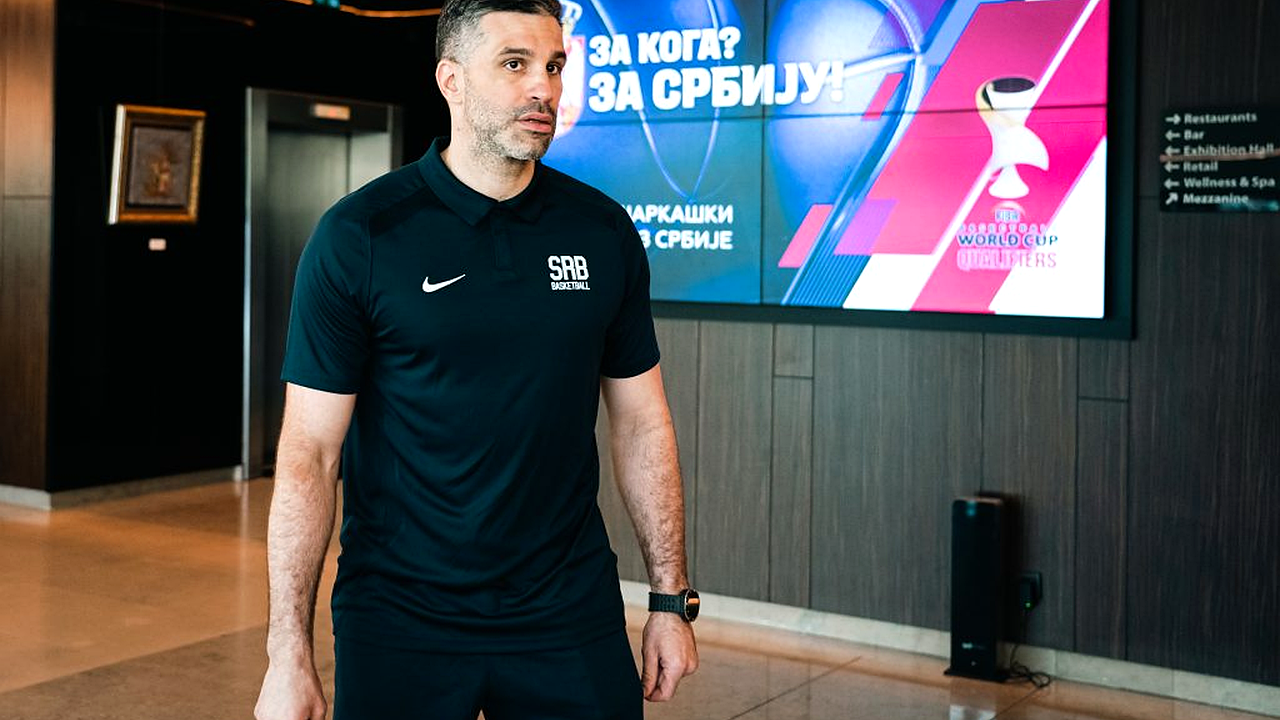
Serbia’s senior side gathers for the July qualifiers as roles already come under scrutiny
Serbia’s senior men’s basketball team has assembled ahead of its July qualifying matches, and the balance of the roster and the first-choice roles are already under the microscope.
The international window is short, so every training session has to answer a practical question about lineups, defensive habits and options in the closing minutes.
The camp starts with decisions, not slogans
Serbia does not need a camp built on grand promises. The coaching staff needs evidence: which guards can control the tempo, which forwards can defend several positions, which centres protect the rim without slowing the attack, and which bench units keep a game in order.
That is the hardest part of the July window. The squad has enough quality to create expectation, but expectation does not set a screen, call a defence or build a rebound when an opponent gets a second chance after a miss.
The first days of the camp therefore separate reputation from usage. Every player must show how his club rhythm fits into a national team structure with less time, less room for improvised attacks and a smaller margin for error.
| Area | Detail |
|---|---|
| Team | Serbia senior side |
| Context | July qualifying camp |
| Main check | roster balance and roles |
| Key question | which lineups can quickly become reliable |
Roster balance is the main test
The staff must reconcile playmaking, shooting, size and defensive mobility. A lineup with too much creation can lose its shape, one with too much height can lose speed, and one with too much shooting can lose security if its first contact on defence is soft.
These choices are not theory. They determine how Serbia attacks a slow possession, how it responds to foul trouble, and whether the final five minutes belong to the most famous names or to the group that fits together best.
The camp gives the coaches a chance to test those questions before the calendar makes them urgent. An awkward combination is better uncovered in training than in a qualifying possession that cannot be repeated.
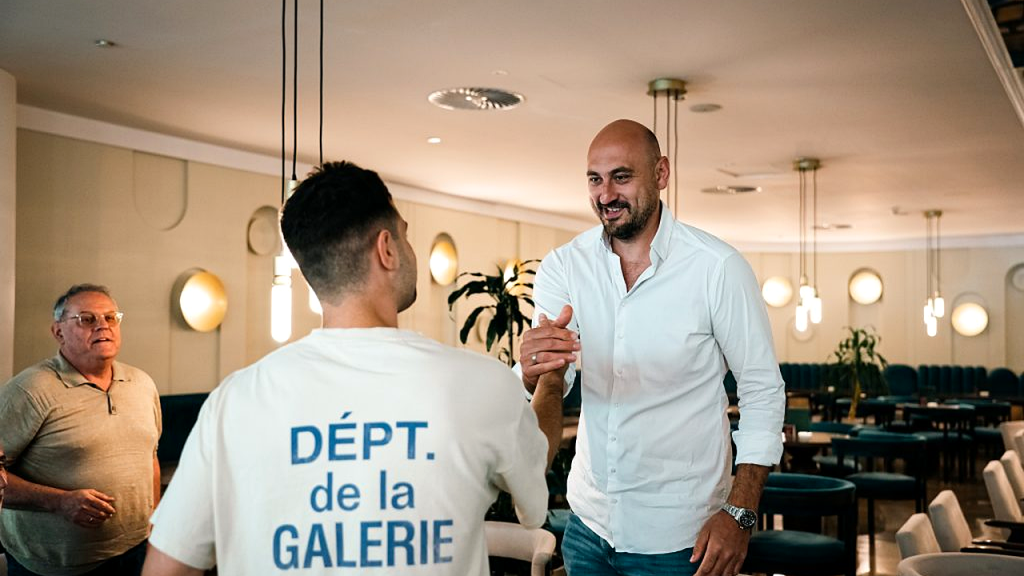
The defensive language has to return quickly
National teams often spend their first days restoring a shared language. Players arriving from clubs bring different habits for ball screens, switches, transition pairings and help from the weak side. Serbia needs those terms and reactions to become common property again.
That is why defensive drills can matter as much as shooting rhythm. The team can survive a cold quarter if its rotations are clean. It cannot survive a run of misunderstandings that hands the opponent open threes, offensive rebounds and early confidence.
The best sign from the camp would be a dull one: possessions where everyone knows the plan, rotations arrive on time and the rebound finishes the job.
Closing sequences must be rehearsed earlier
Qualifying matches can become uncomfortable even for stronger sides. Serbia must know who starts the attack in the final minutes, where the first screen comes from, and which setup protects its best passer from an easy double team.
Those details cannot be improvised with a minute left on the clock. The camp is where the group gains a small, reliable set of actions that can survive noise, fatigue and an inconsistent standard of refereeing.
If the staff leaves the camp with that clarity, the roster check will deliver real value rather than just another list of names.
The bench group may decide the level of control
One of the most important questions for the camp is how Serbia survives the minutes without its main creators. If the second unit protects the ball, closes the glass and keeps the defensive communication going, a game can stay under control without overloading the starters.
The roster check must therefore cover the quieter roles too. A block that frees a shooter, weak-side help that stops a drive, or a box-out that ends a possession can be worth as much as a run of points in a qualifying window.
The coaching staff wants a rotation it can trust before the first heavy surge from an opponent arrives. When a rival senses uncertainty, every substitution becomes a fresh pressure point.
That is why the camp cannot be reduced to names. Serbia must find the order of roles, because only then does individual quality take a shared shape.
Conclusion
Serbia’s July camp is not proof that the roster has talent. Its purpose is to find lineups that can defend, communicate and close possessions quickly enough to keep the qualifying window under control.