
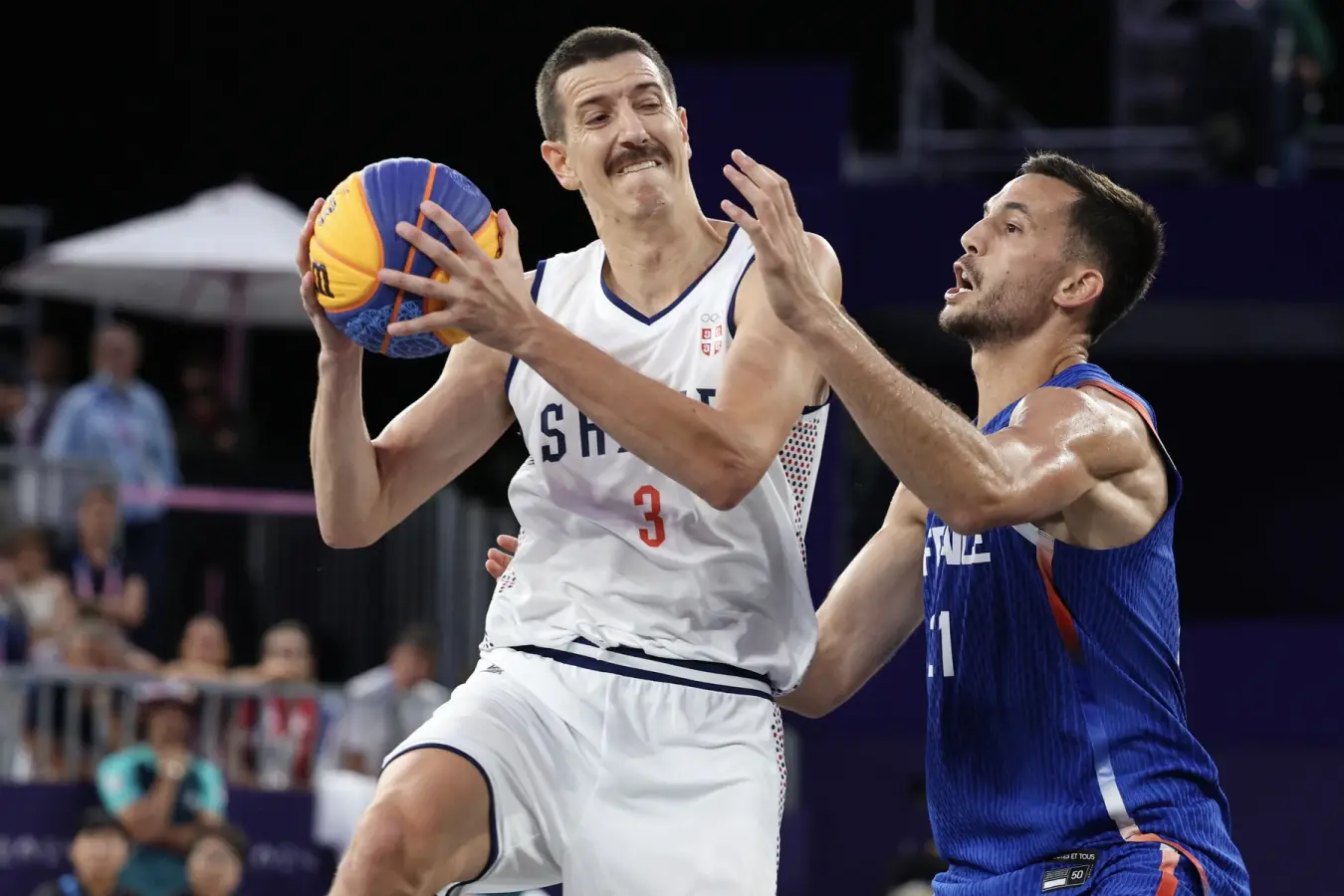
Serbia have named Strahinja Stojačić, Nenad Nerandžić, Filip Kaluđerović and Đorđe Simeunović for the 3×3 European Cup in Antwerp. The five-time European champions will play Switzerland and host nation Belgium in Pool A. The top two sides go through to the quarter-finals, where the group is drawn against Lithuania, Latvia and Ireland. With just four players and two matches on the same evening, every change, foul and brief rest matters a great deal.
A four-man squad leaves no passengers
Three players are on the court while one waits for a change. Each player has to cover several defensive assignments and understand the same calls. A minor knock or a foul problem immediately reshapes the whole rotation. Preparation must therefore cover several three-player combinations rather than one fixed starting line and a permanent bench. The fourth player is a tactical option from the first possession.
Switzerland open a short evening
Serbia meet Switzerland first and Belgium less than two hours later. The opener should set the tone without burning energy on needless fouls. A strong start is valuable, but chasing a bigger margin once control has been established can drain the freshness Serbia need later. The coaching staff must match the scoreboard with the physical reality on the court.
| Detail | Confirmed information |
|---|---|
| Players | Stojačić, Nerandžić, Kaluđerović, Simeunović |
| Head coach | Marko Ždero |
| Pool | A |
| Opponents | Switzerland and Belgium |
| Qualification | The top two teams advance to the quarter-finals |
Belgium will lean on home support
The second opponent knows the venue and will have the loudest backing in the pool. Serbia’s experienced players have already competed in raucous 3×3 arenas, yet every possession still demands a quick call. Long tactical messages are impossible while play is live. The team can decide in advance who calls for the ball after a defensive stop and who starts the first action after winning possession.
The draw brings a strong 3×3 pedigree
If Serbia progress, they will face a side from a group that includes Lithuania, Latvia and Ireland. Latvia and Lithuania carry significant international experience, so finishing first in Pool A could prove important. Serbia cannot choose their opponent, however. A more useful goal is to finish the pool with a steady rhythm and enough left in the tank for an elimination game the following day.
Possession value rises in a short game
A forced long-range shot hands the rival a quick attack before Serbia’s defence is set. Rejecting a completely open attempt also gives the defence time to recover. All four players need to share the same understanding of shot quality. An advantage close to the basket, a clean look from distance or a favourable matchup is a better reason to shoot than a few seconds left on the clock.
Foul control protects the finish
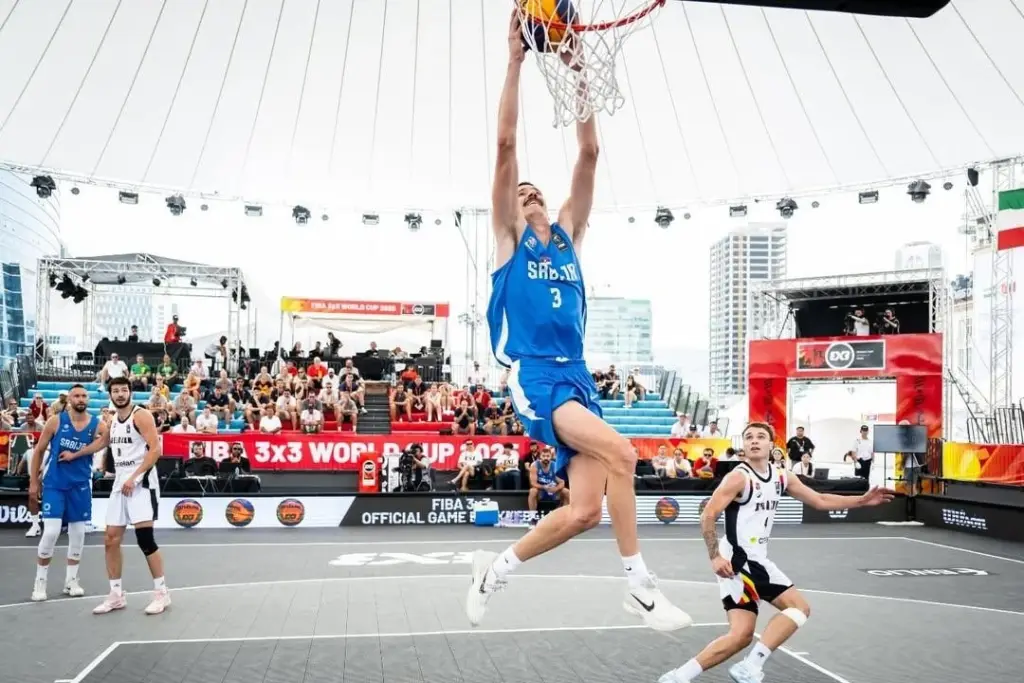
Team fouls accumulate quickly, and late penalties can decide a tight contest. Solid defence is essential, but reaching with the hands after losing position often gives away more than it saves. Serbia should move their feet early, switch assignments clearly and accept a difficult shot when the alternative is an unnecessary penalty.
Experience must blend with new combinations
Stojačić brings a long list of achievements, while Nerandžić, Kaluđerović and Simeunović offer different movement and physical qualities. The best line-up is not defined by reputation alone. It must control the ball, defend and finish at the same time. Substitutions can respond to an opponent’s height or speed without disrupting Serbia’s basic structure.
Five European titles set the standard
Serbia’s medal record gives them confidence and forces every opponent to prepare seriously. Past success does not decide the present game, though. The team must earn the quarter-final against Switzerland and Belgium before talk turns to another title. Simple decisions, careful ball protection and calm management of fouls turn history into useful experience rather than pressure.
A brief recovery between games needs a clear order
After the first game the players have little time to recover before the duel with Belgium. First they need to settle their heart rate, replace fluids and check any minor knocks, and only then review a handful of decisive possessions. A lengthy analysis would use up attention and physical rest. The coach can single out one defensive and one attacking adjustment that all four players can apply immediately. That order conserves energy, stops the result against Switzerland from carrying into the next match, and prepares the team for the host’s different style.