
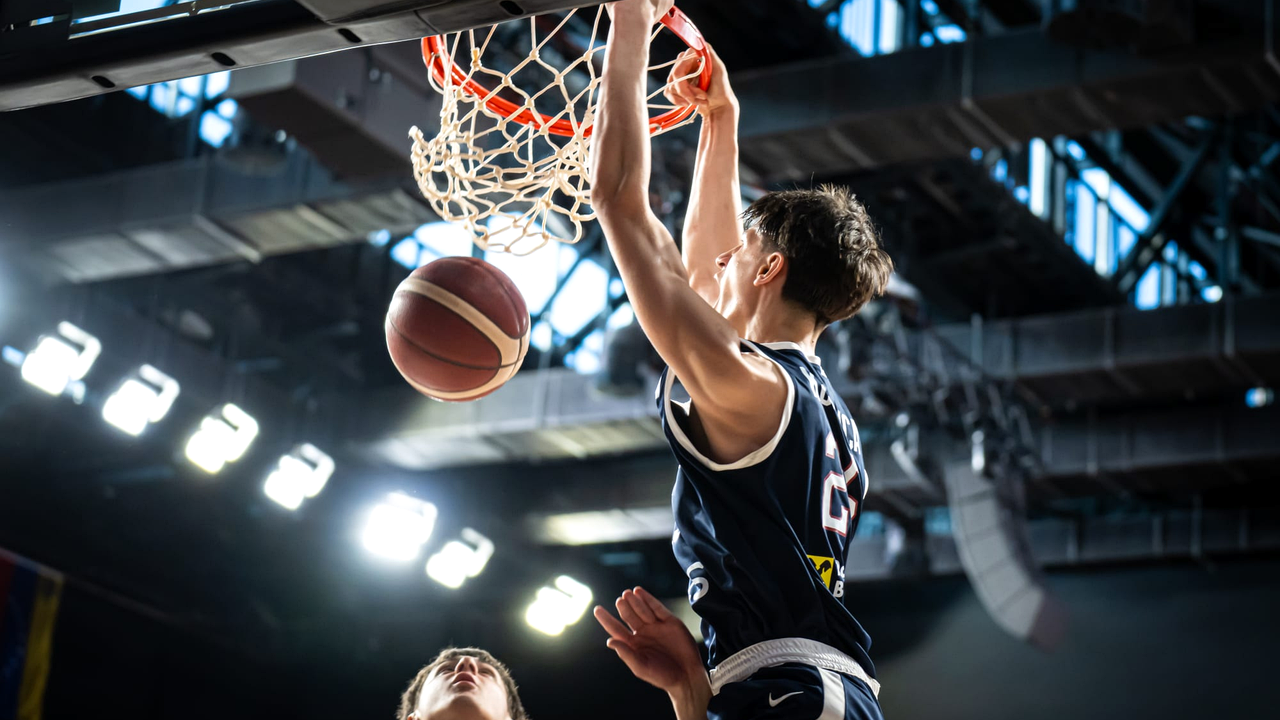
A leader has to stay useful without easy points
Nikola Kusturica goes into the final as the player through whom Serbia most easily finds its composure. His value is not only in the points he scores. It also lies in how he reads pressure, draws defenders in and opens up space for his teammates.
Against the USA, a profile like his faces the hardest possible examination. American defence will not allow many comfortable early possessions. Kusturica must stay patient when he is double-teamed, pushed away from the ball or when his first shot does not drop.
For Serbia, it matters that his influence does not depend on a single statistical column. If he delivers the rebound, the pass, the pressure on the ball and a calm decision, the side has support even in spells without easy scoring.
What the final asks of him
| Role | The primary source of stability in Serbia’s attack. |
|---|---|
| Risk | American pressure could push him into hurried decisions. |
| Key detail | Reading the help defence before contact turns into a trap. |
| Team support | Teammates must offer clear passing lanes. |
| Benchmark | A good game is not just a points total but control of decisions. |
The USA will target his first decisions
One of the Americans’ biggest advantages is their habit of forcing young players to find answers too early. If Kusturica receives the ball and immediately sees two hands close to him, his first instinct may be a difficult dribble or a pass without a proper angle. Serbia has to prevent that through spacing.
Teammates must move before the trap is set. One player has to open the short pass, another has to stretch the floor, and a third has to attack the space behind the help. Then Kusturica does not have to beat the pressure alone.
That is the difference between a leader and an isolated player. A leader uses pressure to make the team better. An isolated player tries to solve everything himself, and against the USA that route quickly becomes too expensive.
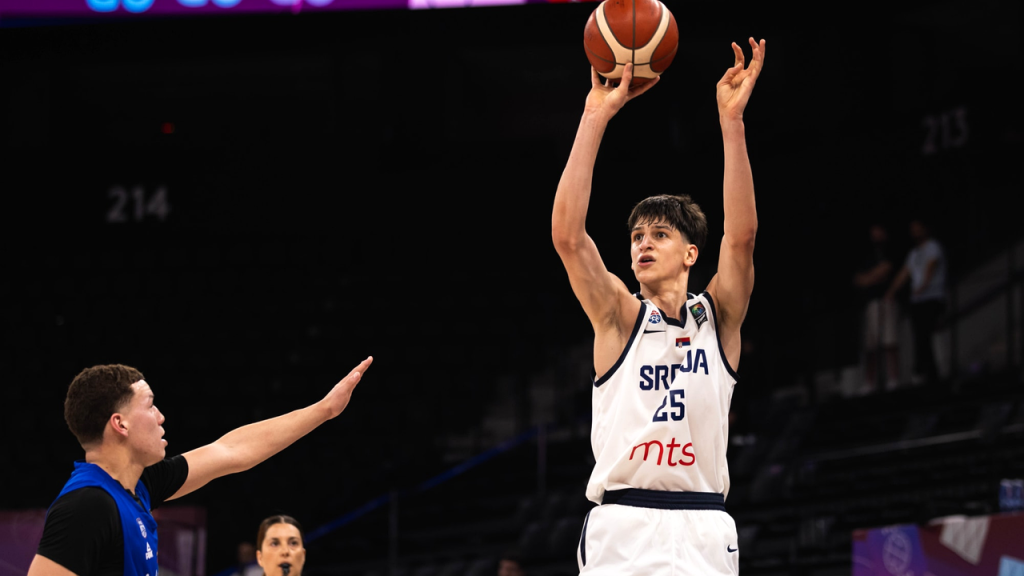
Rebounding and defence protect his attack
Kusturica’s offence will look much better if Serbia first controls the defensive glass. After a clean rebound he can receive the ball earlier, see the floor in front of him and attack before the American defence is fully set.
If Serbia keeps having to retrieve the ball from the net or defend a second wave, Kusturica will receive possessions while more tired and under heavier pressure. Every decision then becomes harder, and every mistake looks bigger than it really is.
That is why the final test is not only his personal duel with the American defenders. It is a test for the whole Serbian structure around him. The team has to give him time, space and clear angles.
The best leaders do not rush after an error
Mistakes will happen in the final. What matters is how Kusturica and Serbia respond to them. If one lost possession leads to a quick retaliation, the USA will get exactly what they want: a faster game and a ball without a clear plan.
The best answer is the next good decision. Sometimes that is a pass into the corner, sometimes an entry to contact, and sometimes simply slowing the attack down and calling for a new action. Such decisions do not look spectacular, but they build trust.
A young leader in a big final does not have to show perfection. He has to show he can stay the same player after a mistake, a refereeing call or an American run.
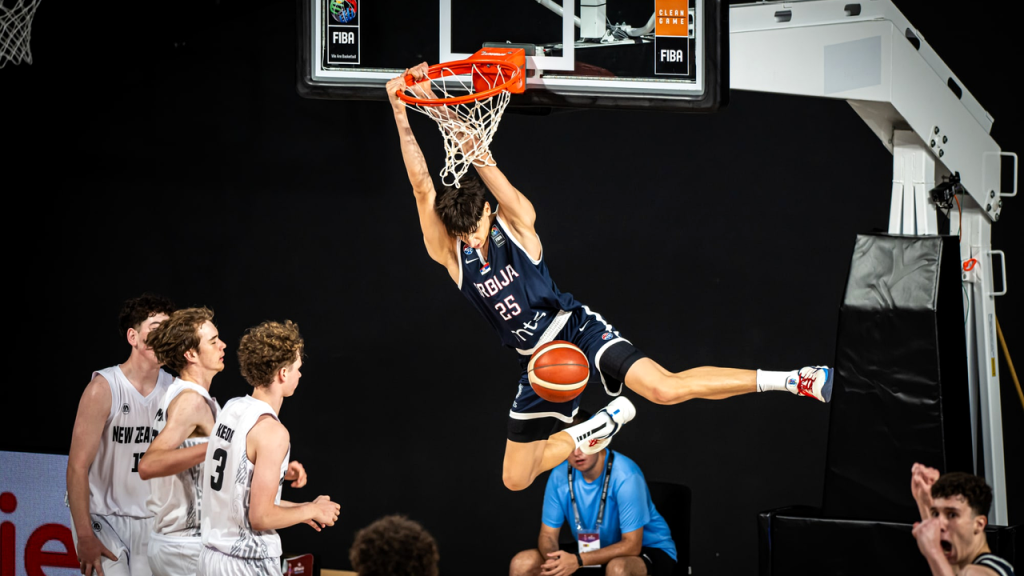
Kusturica’s game could set the tone for the generation
If Kusturica plays with maturity, Serbia gains more than a single final chance. It gains a picture of a player who can carry a generation through pressure. That value lasts beyond the final whistle.
His points will matter, but even more important will be how Serbia gets them. If they come from good ball movement and clear decisions, the team stays alive. If they come only from difficult shots, the game becomes too dependent on inspiration.
So the final task is simple to describe but hard to carry out. Kusturica should be the first anchor, but not the only plan. If Serbia finds that balance, the USA will have to defend the whole team.
That would be a sign that Serbia’s place in the final is part of serious development, not just a pleasant tournament moment.
Such a performance would also help the rest of the squad. When the first player makes calm decisions, the others accept their roles more easily, and the young team does not look as if it is waiting for one play to save it.
That is also why the bench has an important part in his final. Every good screen, timely pass and firm foul without panic can take some of the load off him and make the Serbian attack less predictable.