
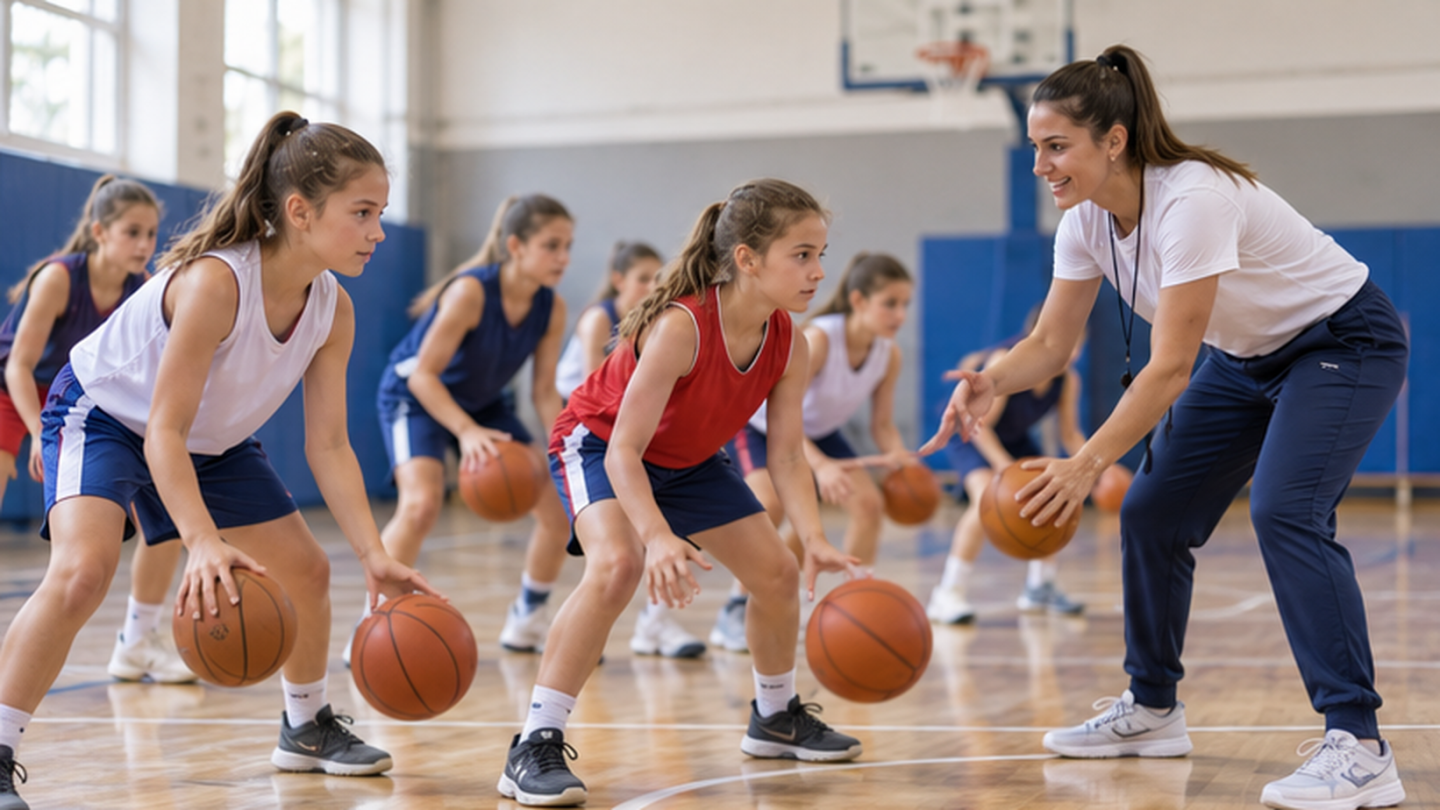
The Basketball Federation of Serbia’s “Basketball Is for Girls” project has been named winner of the FIBA Women Leaders programme, earning international recognition for its work in drawing girls into the sport. The award matters because it rewards the way the project is organised and its long-term development, not the outcome of a single senior fixture. The programme aims to introduce basketball to children at the age when sporting habits take shape, and when the backing of schools, families and local clubs decides whether a girl stays active.
Serbian women’s basketball has enjoyed major results with the national team, but the top level can only last if the base is renewed on a steady basis. Grassroots projects that link promotion with concrete training sessions and direct contact with coaches are worth more than a one-off campaign. The FIBA recognition confirms that the model has been noticed beyond Serbia, yet it also places greater responsibility on the KSS to measure how many participants keep training after the first event, and to identify the areas where access to a club is hardest.
Turning the award into a lasting system
The most telling indicator will not be the number of photographs or promotional visits, but how many participants move into regular training. That requires enough sessions, qualified coaches and halls that are reachable beyond the big cities. Clubs need to offer beginners’ groups in which differences in previous experience do not discourage a child. When a girl first walks into a training session, the quality of that first month often matters more than the famous name that drew attention to the project in the first place.

The programme can also help coaches by sharing methods suited to younger age groups. Early development should not copy senior training: co-ordination, ball feel, play and a gradual understanding of space are what count. Excessive pressure on results drives children away, while a complete lack of structure slows progress. A good system blends fun with clear learning, regular feedback for parents, and a route for the more talented players to move into a more demanding programme later on.
Why the base matters to the national team
A wider base raises the chances of developing players with different profiles, from tall centres to playmakers and shooters. A national team system cannot assume that each generation will happen to produce every required position. What is needed is a network of clubs that tracks development without selecting too early, and gives a second chance to children who mature physically later. A girls’ project can serve as an entry point into that network, provided that its data and contacts are passed on carefully to local communities.
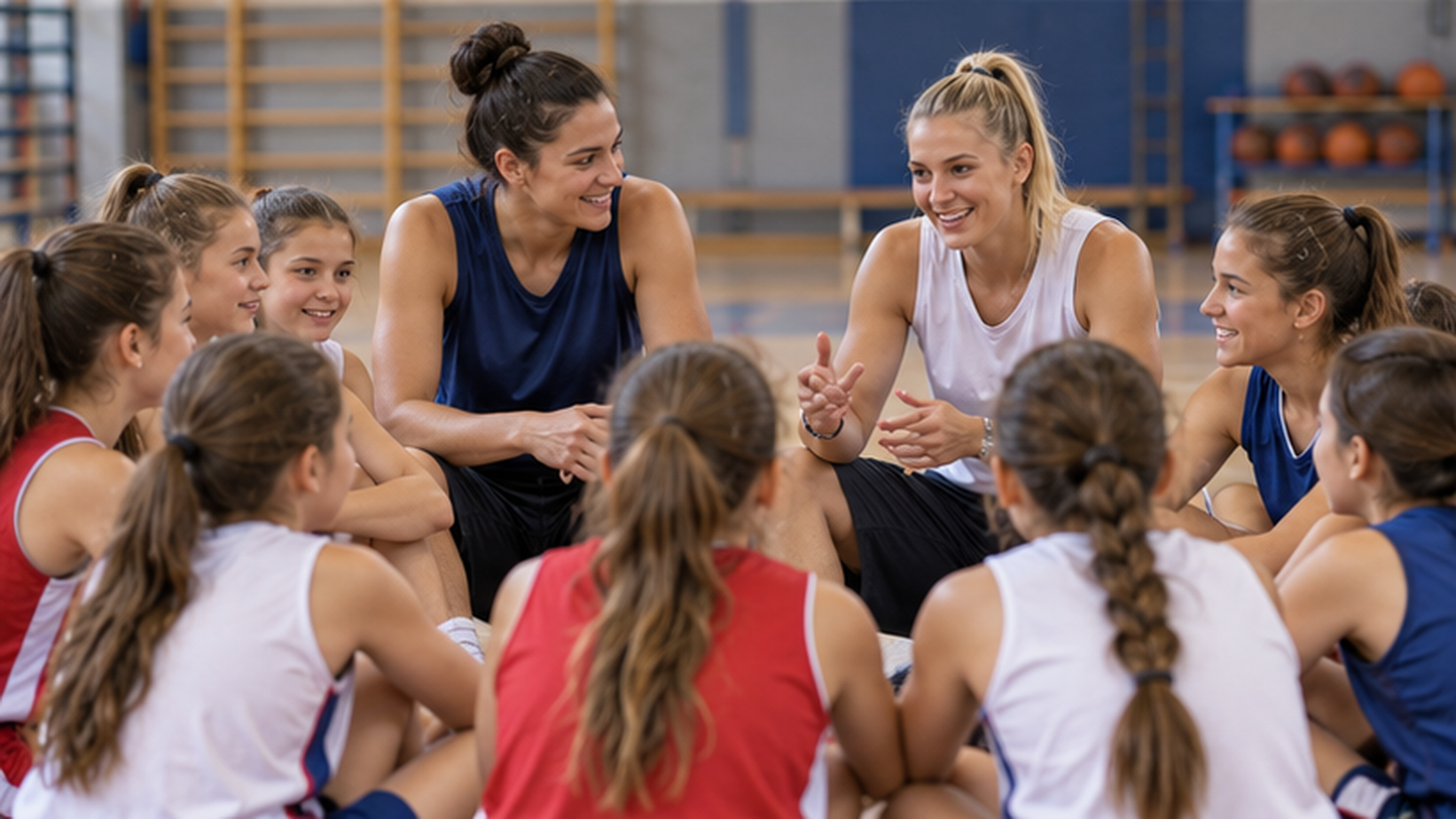
The FIBA recognition may also make it easier to find partners and extra funding, but money should be directed at measurable needs: equipment, training slots, education and transport. A transparent report on the number of new members and how many of them stay would give the award practical value. Without monitoring, the programme could remain a successful event with no clear long-term effect. With good data, the KSS can identify where the model works best and repeat it in other towns.
The next phase should show how much activity takes place in the new season and how clubs are brought in. The award is a good signal, but its full significance depends on continuity. If more girls receive close and quality training, Serbian basketball will gain wider social benefit and a firmer sporting foundation. Winning the FIBA Women Leaders programme will then not mark the end of the project, but confirm that it is worth investing in its expansion. A publicly available calendar of open training sessions and a list of local clubs ready to take beginners would add real value. Parents would know immediately whom to contact, and the federation could more easily spot municipalities without a suitable programme. Continuity between the first promotion and the first full training season will be the fairest measure of success.