
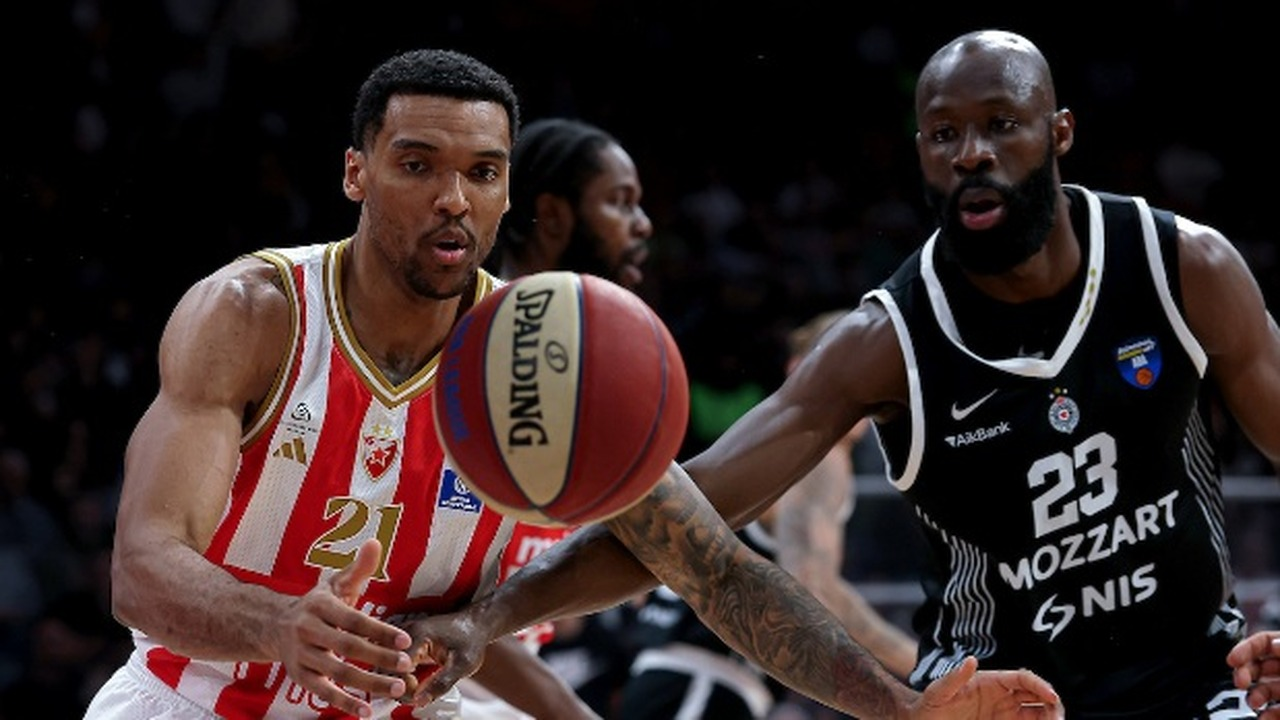
The Euroleague panel placed Crvena zvezda ahead of Partizan in its review of the summer moves. Zvezda came tenth, while Partizan sat thirteenth. The ranking assesses how the squads were put together, not the final placings of the season.
Both Belgrade clubs changed key parts of their rosters. Zvezda kept a larger number of its players. Partizan added new solutions on the perimeter and young basketball players under the guidance of Joan Peñarroya.
Zvezda preserved more continuity
Crvena zvezda retained much of last season’s group. As a result, players are renewing many familiar connections during preparations. Returning players already know the club environment. Coach Ibon Navarro also remains part of the project, and his presence brings a familiar voice to the dressing room. Newcomers can learn the system alongside teammates who already know it. The Euroleague analysis weighed that balance. It does not claim continuity guarantees wins. The season will test the team’s health, form and performance.
Zvezda can start preparations without fully introducing every role. Guards and wings from last season already know the basic actions, and defensive communication may also develop more quickly. The tenth place represents an opinion on the summer’s work, not an official table. Zvezda’s real standing will be decided by matches against all nineteen rivals.
Partizan changed important perimeter players
Partizan signed Carlik Jones and several more solutions on the perimeter. The new group brings creation and speed, but it needs time to share ball-handling duties. Young basketball players make up another part of the roster, and their energy could help over a long season. Euroleague opponents will examine every detail of defence and decision-making. Joan Peñarroya is leading the team through that process, and his coaching staff is testing different five-man units during preparations. The new rotation has yet to play an official game.
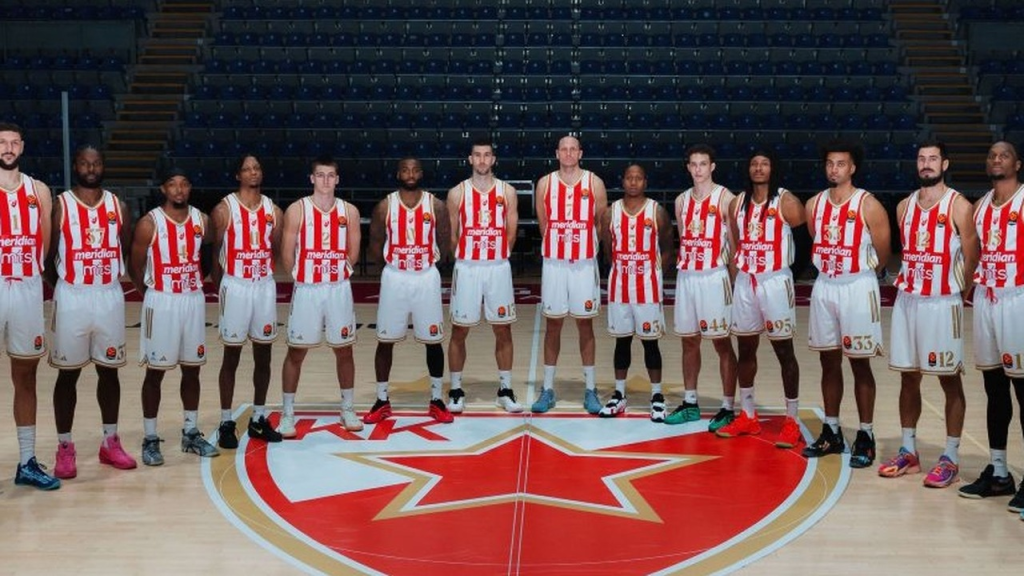
Crvena zvezda players gather during a Euroleague game.
The panel placed Partizan three spots behind Zvezda. That gap reflects the author’s current assessment. It neither adds nor takes away a single championship win. Bigger changes at Partizan bring both work and new opportunity. New guards could alter the team’s tempo, and how they link with the centres will only become clear in official matches.
A wider league raises the demands
The Euroleague now has twenty clubs, so the schedule brings many games and journeys. Squad depth becomes vital when injuries or fatigue strike. Belgrade derbies remain major events, yet most fixtures are against other rivals, and Zvezda and Partizan will face very different styles of play. A single summer list cannot describe all of those games. Clubs with a stable roster may start well, while teams with more changes can improve as the season goes on, so the order could shift quickly.
The panel looked at reinforcements, retained players and overall balance. Those areas formed the summer ranking, while the official table will later be shaped by match results. Serbian supporters can read the placing as one outside opinion. Zvezda earned the higher rating, and Partizan still has the full preparation period to integrate its new players.
Official matches will replace the summer list
Summer assessments are made before the first games under real pressure. They can reveal strengths and open questions, but they cannot measure how players react in a tight finish. Zvezda’s continuity will be tested by new opponents and a longer schedule, while Partizan’s new guards will face strong defences. The performance of both teams will become visible in official matches. The Belgrade clubs also enjoy strong home support, and the atmosphere can change the course of a game, though it does not score points. Results on the road remain just as important.
The panel’s order is therefore only an initial comparison. In this analysis Zvezda is tenth and Partizan thirteenth. The gap comes from its judgement of their summer work. When the Euroleague begins, every win will carry more weight than this list. Until then the ranking describes only the state of the two squads over the summer.
Two Belgrade projects started from different places
Zvezda chose to keep most of last season’s roster and coaching staff. Partizan changed several important roles. The panel compared these two summer approaches. Continuity can shorten the time needed to settle into basic patterns, while new quality can raise the team’s ceiling once roles are clarified. Neither approach guarantees victory.
Zvezda received the higher rating in the review. Partizan’s lower placing reflects more questions about how its pieces will fit together. Both clubs still have pre-season friendlies before the Euroleague. Fans may disagree with the order while the facts remain clear. This is an expert judgement, not an official decision, and every club starts the season with neither a win nor a defeat.
A twenty-club league tests squad depth
The expanded competition brings more rivals and a heavier workload. Guards, wings and centres go through periods of frequent travel, and injuries can quickly upset a planned rotation. Zvezda’s returning players offer familiar line-ups in such spells, while Partizan’s reinforcements offer more options once they settle in. Coaches will decide the minutes.
Domestic competitions continue alongside the Euroleague. Belgrade derbies and regional matches add physical strain, so squad depth means far more than a list of names. The panel rated the teams before the season began, and official matches will show their true relationship. The summer list is only an initial assessment.