
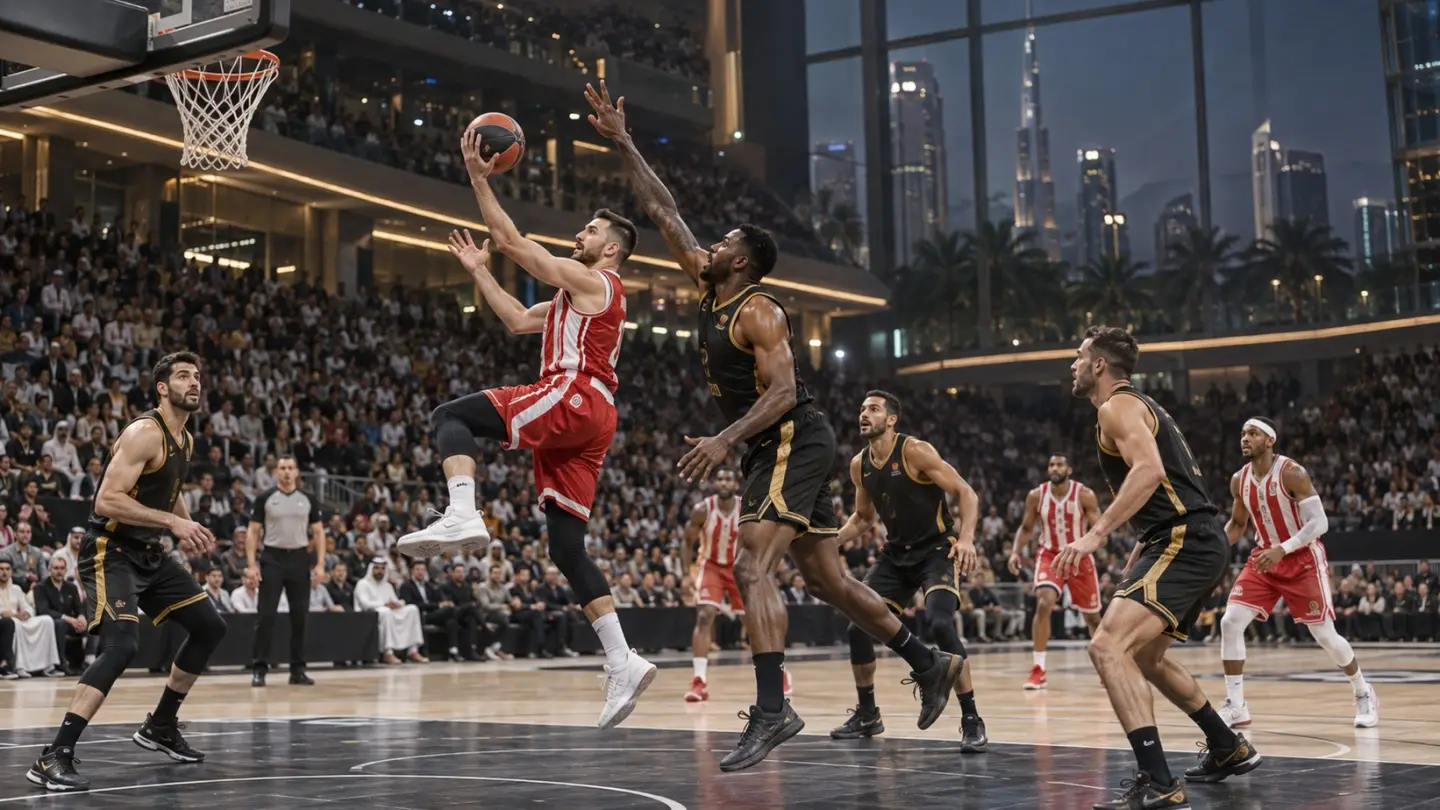
The game tips off on 8 October at 18:00; Zvezda sit on 1-2, Dubai on 2-1, Motley is not playing, and Ognjen Dobrić’s involvement remains uncertain. The most important answer therefore belongs at the front: what happened, when, and why it matters. Only after that can the practical consequence be weighed, with a clear line drawn between the data available and what is merely assumed. That approach keeps the story accurate and lets it be updated later without changing its core meaning. The next official update should therefore confirm the consequence now flagged as the key one.
The hosts have deep, physically strong rotations, so the visitors must stop transition play and a second attack rather than accept the game without controlling its rhythm. The final score does not always reveal how an advantage was built. It is worth tracking who was responsible for what, how the side reacted to the first setback, and whether the same good decision could be repeated. A brief comeback can hide a weak plan, while a quiet spell without big numbers often sets up the decisive situation minutes later. Reading the game this way gives the reader a basis for understanding both the result and the decisions that led to it.
Rebounding control has to offset Motley’s absence
The guards must shut down long rebounds, and the attack after a steal should use a quick pass to the centre and a fast kick-out to the corner. The plan has to be clear enough to carry out under pressure. The first option exploits the biggest edge, and the backup must answer the opponent’s most likely reaction. Adding new tasks without a clear reason slows decisions; a good adjustment changes only the part that is not working and keeps what already delivers results. Execution is then judged on the clarity of the decision, the speed of the reaction and the quality of positioning after the attempt.
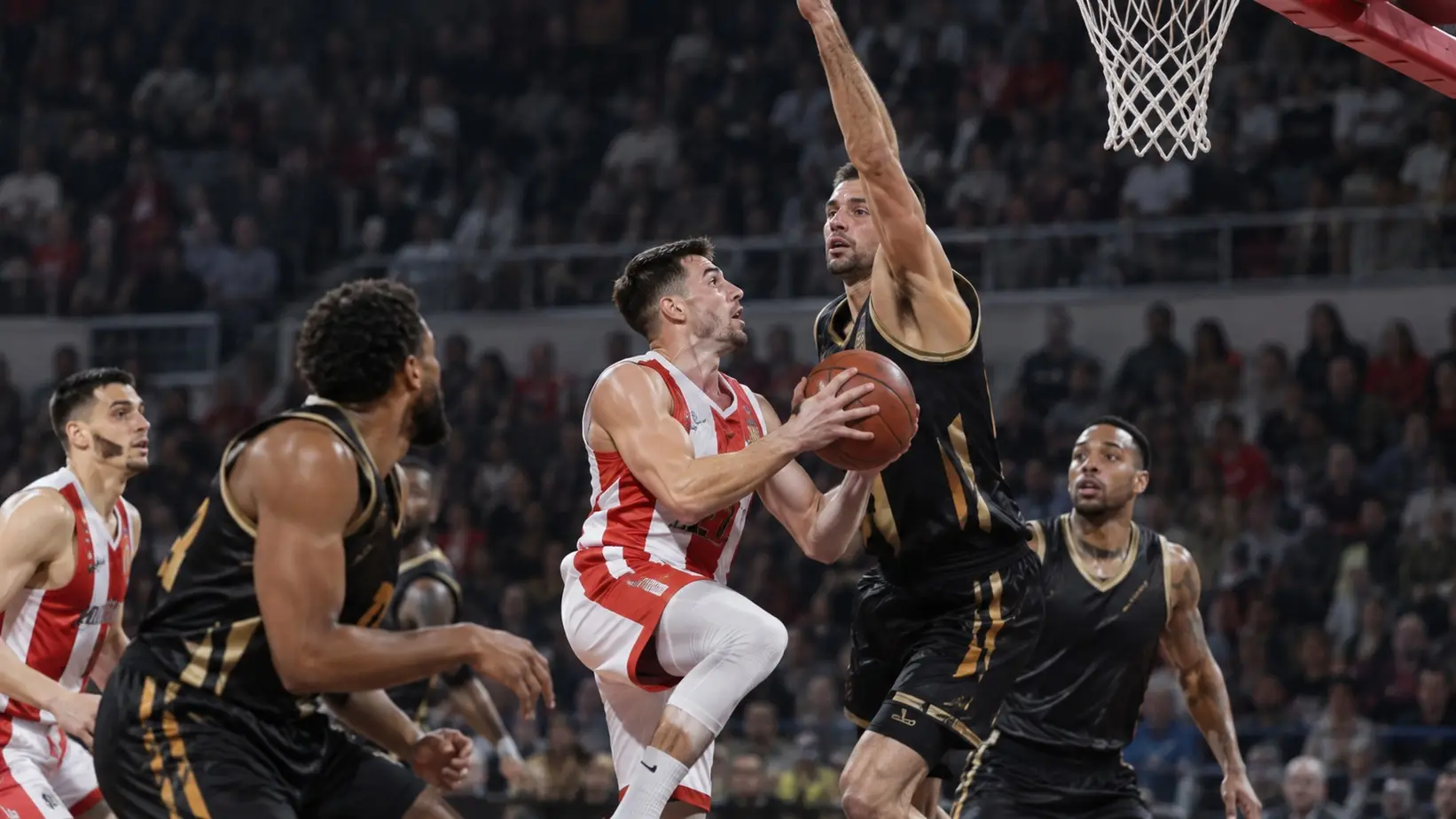
A smaller lineup without shared defensive rotation can lose the boards; holding the ball too long after the first block lets Dubai reclaim every task. Risk management determines how long a plan can last. A neutral outcome sometimes preserves position, energy or possession for a better chance, while forcing the issue without preparation opens the door to a counter. The balance between gain and danger shifts with time and the scoreboard, so the same decision is not equally sound at the start and in the closing minutes. The true measure of discipline will be how many dangerous moments were spotted before they turned into damage.
Zvezda need a calmer attack in the closing stages
Watch the ratio of assists to turnovers, defensive rebounds after the first miss, points conceded in transition, and shot quality over the last five minutes. These figures make it possible to test conclusions after the event. The final score shows the outcome, but only a comparison period by period reveals where the advantage came from and whether it can be repeated. It is especially useful to separate the opening plan from decisions made while tired, since that is where technical stability and preparation quality become visible. If the numbers are read in sequence, it will be clear whether the change was planned, temporary or accidental.

A win would level the score, but the more telling test is whether the team can adjust its plan when its main inside anchor is missing. The significance does not end with the last point or the last decision. A good performance opens a new opportunity, but consistency is what confirms the change can hold. A weaker result can still be useful if it yields two or three precise tasks. Changing everything at once usually hides the real cause and makes the next check harder. That follow-up gives today’s story lasting value and links the immediate outcome to the next realistic goal.
Zvezda get a realistic finish if they do not give away possessions and turn the game into positional basketball, where one clear action is worth more than the speed of the home bench. The conclusion must therefore stay tied to the evidence available right now. The best next test uses the same control points in different conditions, so it becomes clear what reflects quality and what reflects circumstance. Repeating a good pattern against a new challenge gives the assessment more weight than a single eye-catching play. That is why the final judgement should be revised only once a new comparable data point emerges from the official fixture.