
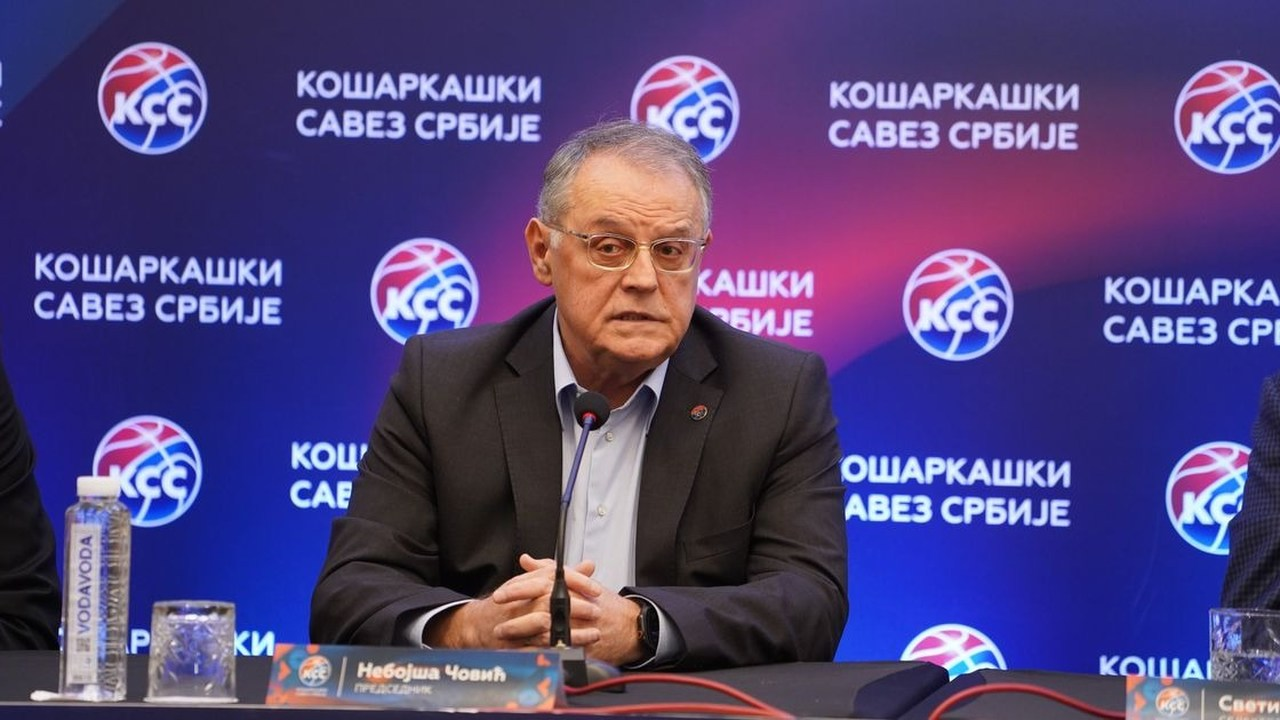
Nebojša Čović presents ideas aimed at developing Serbian basketball.
The president of the Basketball Federation of Serbia, Nebojša Čović, put forward two proposals for the domestic game. One concerns a professional league, the other players under 22.
Čović linked both ideas to giving Serbian basketball players more minutes on the court. The federation is talking with clubs, but no competition has been launched yet.
Youth medals raised the question of development
Serbia’s men’s national teams at under-17 and under-20 level won silver medals this summer. Čović praised their attitude and the work done within the national programme.
The under-20 side ended a long wait for a medal in that age group. Several players showed they could match strong opponents.
The next challenge lies within the clubs. A youth tournament is short, while a senior career demands regular work across the whole season.
Čović wants the domestic system to preserve that progress. Young players need meaningful minutes once the junior competitions end.
Čović spoke after a summer that brought good results for the youth teams. The medals confirmed that Serbia continues to produce talented players.
The professional league proposal also concerns basketball centres beyond the biggest clubs. Stable local teams could support a regular national competition.
A professional league would bring together stable clubs
The proposed top tier would gather a limited number of professional clubs. Čović spoke of teams from well-known basketball centres across Serbia.
A national league requires clear financial and organisational conditions. Clubs need suitable halls, secure budgets and reliable travel.
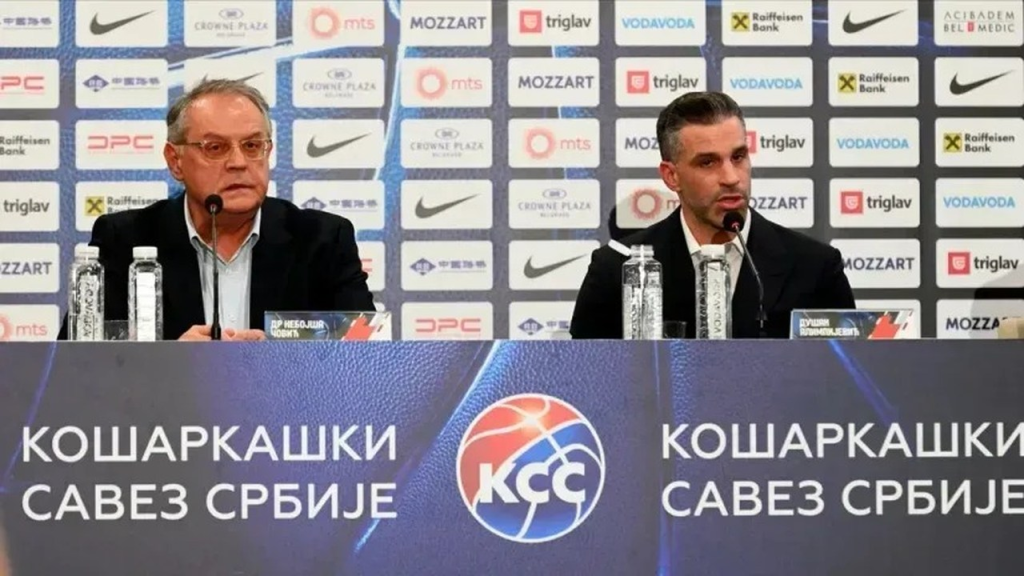
Čović speaks about the federation’s proposals at a media event.
The calendar must take into account clubs that play in other competitions. Domestic rounds cannot be planned without international and regional commitments.
The final list of clubs has not been adopted. The proposal focuses on a stable league rather than announcing participants early, before the rules are settled.
The under-20 silver was Serbia’s first medal in that category since 2015. The team reached the final by progressing through the whole tournament.
Čović compared domestic investment with money directed to a regional league. His proposal aims to keep more resources within Serbian basketball.
An under-22 competition would ease a difficult transition
The second proposal is meant to secure games for players leaving junior basketball. Many do not yet have a regular place in the senior rotation at that stage.
A dedicated competition could keep them in rhythm while they train with their club. It would connect academy work with the demands of senior basketball.
| League proposal | Professional clubs from Serbian basketball centres |
|---|---|
| Development proposal | Competition for players under 22 |
| Status | At the discussion stage |
| Main goal | More important minutes for Serbian players |
In his explanation, Čović mentioned a model from Spain. Serbian rules have yet to determine eligibility, registration and movement between squads.
Serbia’s under-17 run to the final showed the quality of players entering this stage of development.
The under-17 team also reached the world final. Those players are younger, but they face the same step towards senior club roles.
Meanwhile the senior national team is preparing for Iceland and Italy. Warm-up games against France are planned before the qualifiers.
Club minutes remain the most important factor
A new competition helps only if its games carry real value. Players need strong opponents, well-prepared coaches and responsible roles.
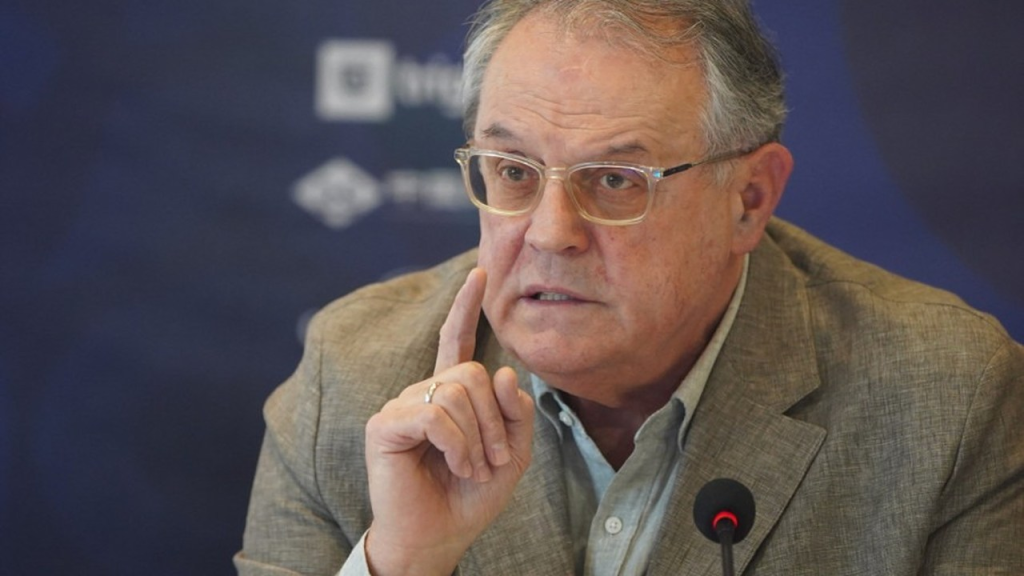
The KSS president explains the need for a stronger domestic structure.
The best young players must have a route to the first team. An age-limited league should help that transition rather than become a separate destination.
Clubs will shape the proposal because they train and pay the players. Their budgets and existing calendars will determine whether the system can last.
The federation can set conditions and organise the schedule. Day-to-day development will still happen at club training sessions and in senior matches.
Čović said that parts of the attacking and defensive approach used with the young teams follow the ideas of the senior national team. Familiar principles can make later work with the national side easier.
The senior national team has immediate work to do
Čović also spoke about Serbia’s qualifiers for the World Cup. The next window brings demanding opponents and little time to prepare.
He warned that names on a roster do not decide a game. Serbia has already seen how an organised rival can punish a poor start.
The qualifiers run alongside the discussion about reform. Results are needed for the seniors now, while the league proposals shape development in the seasons ahead.
Both proposals call for stronger domestic competition and more minutes for young players. Clubs and the federation still have to agree the rules.
Club basketball nonetheless makes up the longer part of development. Players spend most of the season with their teams, not in short national team gatherings.
The proposals now need agreement with the clubs
A professional league needs agreed financial conditions, halls and a calendar. The under-22 competition also requires rules on eligibility and registration.
Čović linked both projects to giving Serbian players more club minutes. Meanwhile the senior national team is preparing for Iceland and Italy.