
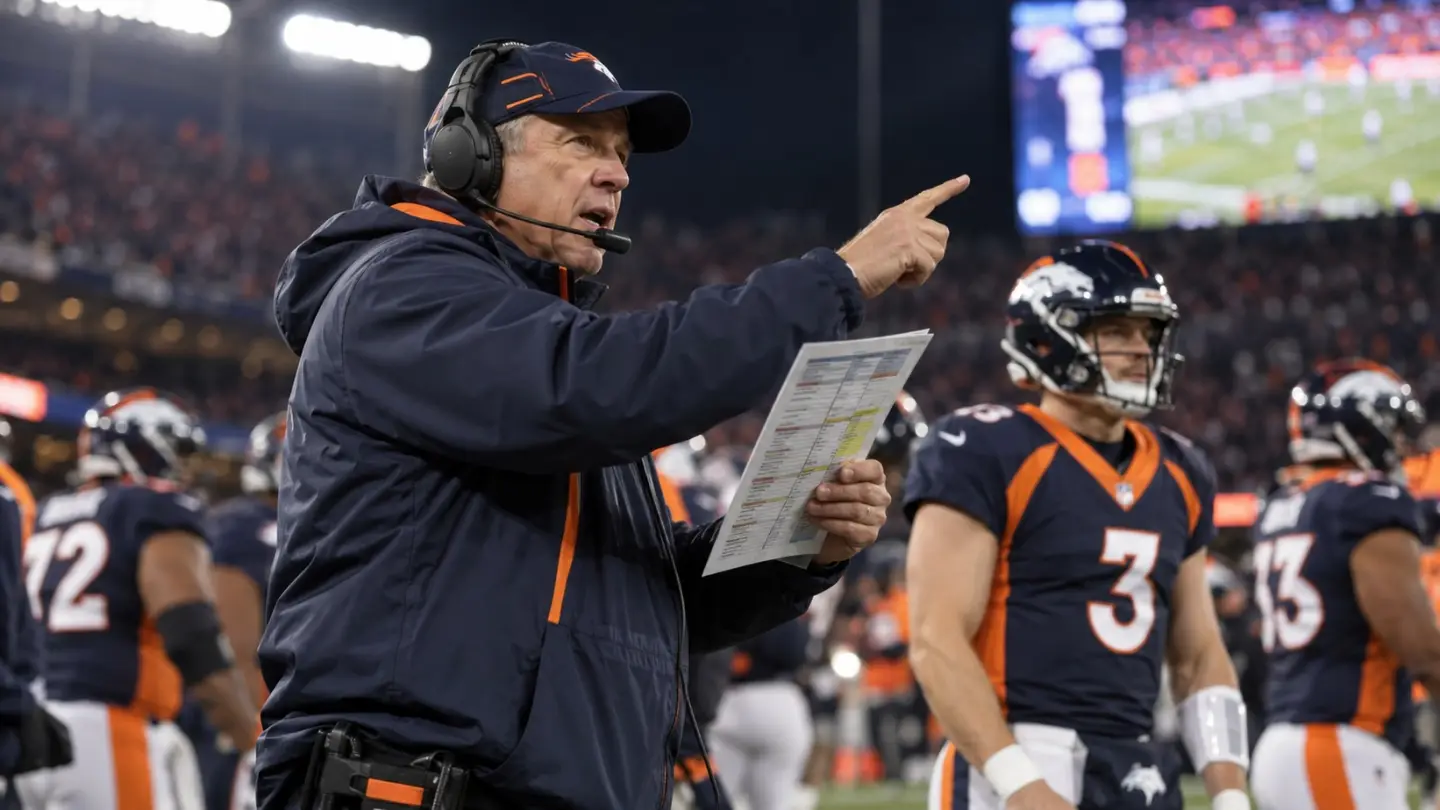
Sean Payton confirmed on 8 October that he will once again call the offensive plays for the Denver Broncos. Davis Webb took on the role before the 2026 season, but Payton is returning to direct control after four weeks and a 2-2 record. The confirmed date, result and lineup give a solid base, while any forecast should be kept apart from what has already happened. For the reader, the most useful thing is to see at once the reason, the key change and the first test that follows. That keeps the story clear even if circumstances shift later, and it lets the assessment be checked on the field. The next official update should therefore confirm the consequence now flagged as central.
The change does not mean Webb is leaving the process. The club stressed that the coordinator remains an important voice in shaping the plan and during the game, while Payton will make the final call and use his experience to speed up the attack. A final score does not always show how an advantage was built. What matters is the allocation of responsibility, the reaction to the first setback and the ability to repeat the same good decision. A brief comeback can hide a weak plan, while a quiet spell without big numbers often sets up a decisive moment a few minutes later. Reading events this way gives the reader a basis for understanding both the result and the decisions that came before it.
Why Denver is shifting the division of duties
The biggest gain could be a faster link between the opening drives and what the defence reveals. Bo Nix would then get a clearer sequence, fewer late changes and more chances to carry the rhythm of the short passing game into vertical attacks. The plan has to be clear enough to run under pressure. The first option uses the greatest advantage, and the backup must answer the rival’s most likely reaction. Adding new tasks without a clear reason slows the decision; a good adjustment changes only the part that is not working and keeps what already delivers results. Execution is then judged by the clarity of the decision, the speed of reaction and the quality of position after each attempt.
The risk is that the change becomes a short-term cover for wider problems in protection, running and accuracy. If the roles shared between Payton, Webb and the quarterback are not clearly separated, an extra voice can slow communication rather than improve it. How well the risk is managed decides how long the plan can last. A neutral outcome sometimes protects position, energy or possession for a better chance, while forcing the issue without preparation opens the door to a counterattack. The balance between gain and danger shifts with time and the scoreboard, so the same decision is not equally good at the start and in the final minutes. The true measure of discipline will be how many situations the danger is recognised before it turns into damage.
What changes now for Bo Nix
The first test will come from the time taken to send in a play, the number of penalties before the snap, success on first down and the percentage of third downs of six yards or fewer that are converted. It is important to separate the quality of a decision from the final points total. These figures allow the conclusion to be checked after the event. The final score shows the outcome, but only a comparison by period reveals where the advantage came from and whether it can be repeated. It is especially useful to separate the opening plan from decisions made under fatigue, because that is where the stability of technique and the quality of preparation show. If the figures are read in sequence, it will be clear whether the change was planned, temporary or accidental.
Denver wants immediate improvement, but also to protect the development of a young coordinator. That is why this decision only has value if the team deals with the weekly result and at the same time leaves Webb a real role in building the system. The significance does not end with the last point or decision. A good performance opens a new opportunity, but consistency is what confirms that the change is sustainable. A weaker result can still be useful if it produces two or three precise tasks. A broad overhaul of everything usually hides the real cause and makes the next check harder. That follow-up gives today’s news lasting value and links the immediate outcome to the next realistic goal.
Payton’s takeover is a logical intervention after a slow start. Confirmation will not come from one big play, but from an offence that reaches the line earlier, reacts better to the defence and relies less on improvisation. The conclusion must therefore stay tied to the evidence currently available. The best next check uses the same control points in different conditions, so it becomes clear what belongs to quality and what to circumstance. Repeating a good pattern against a new challenge gives the assessment more weight than a single eye-catching play. That is why the final judgement should be updated only once a new, comparable data point arrives from an official game.