

The NFL has suspended San Francisco 49ers owner Jed York for six games and fined him $500,000 for breaching the league’s personal conduct policy. The decision followed his arrest and charges of misdemeanour disorderly conduct and possession of a tool linked to a crime. York accepted the league’s ruling and publicly apologised to the organisation, the fans and his family.
The first three games of the suspension require York to be absent from the stadium altogether. According to the published schedule, he can return to his usual role after the sixth week, that is, following the match set for 19 October. The disciplinary measure does not change the club’s ownership structure, but it temporarily restricts his presence and public role on matchdays. Day-to-day operations must therefore be run by the existing executives without his direct involvement.
The penalty sends a message to owners across the league
The punishment is significant because the league applies its personal conduct policy to owners as well as to players and coaches. Six games is a visible consequence during the part of the season when sporting and business decisions take shape. The financial sum is an additional sanction, but the absence from games carries greater symbolic weight: the club cannot separate the owner’s reputation from the image the badge presents to the public.

For the 49ers, the key is making sure the sporting side does not let the incident become a daily topic in the dressing room. The coach and players have no role in the disciplinary process, so preparation must stay focused on the opponent, the injury report and executing plays. A clear division of responsibility between the president, the general manager and the coaching staff reduces the chance that off-field pressure influences decisions during a game.
San Francisco must keep the field separate from the front office
York’s acceptance of the penalty closes the question of an appeal before the league, but it does not remove the need for consistent public communication. The club should share only verified facts and avoid mixing the legal process with competitive results. Any downplaying of the seriousness of the event could prolong the reputational damage, while excessive commentary may burden people who have no connection to the case.
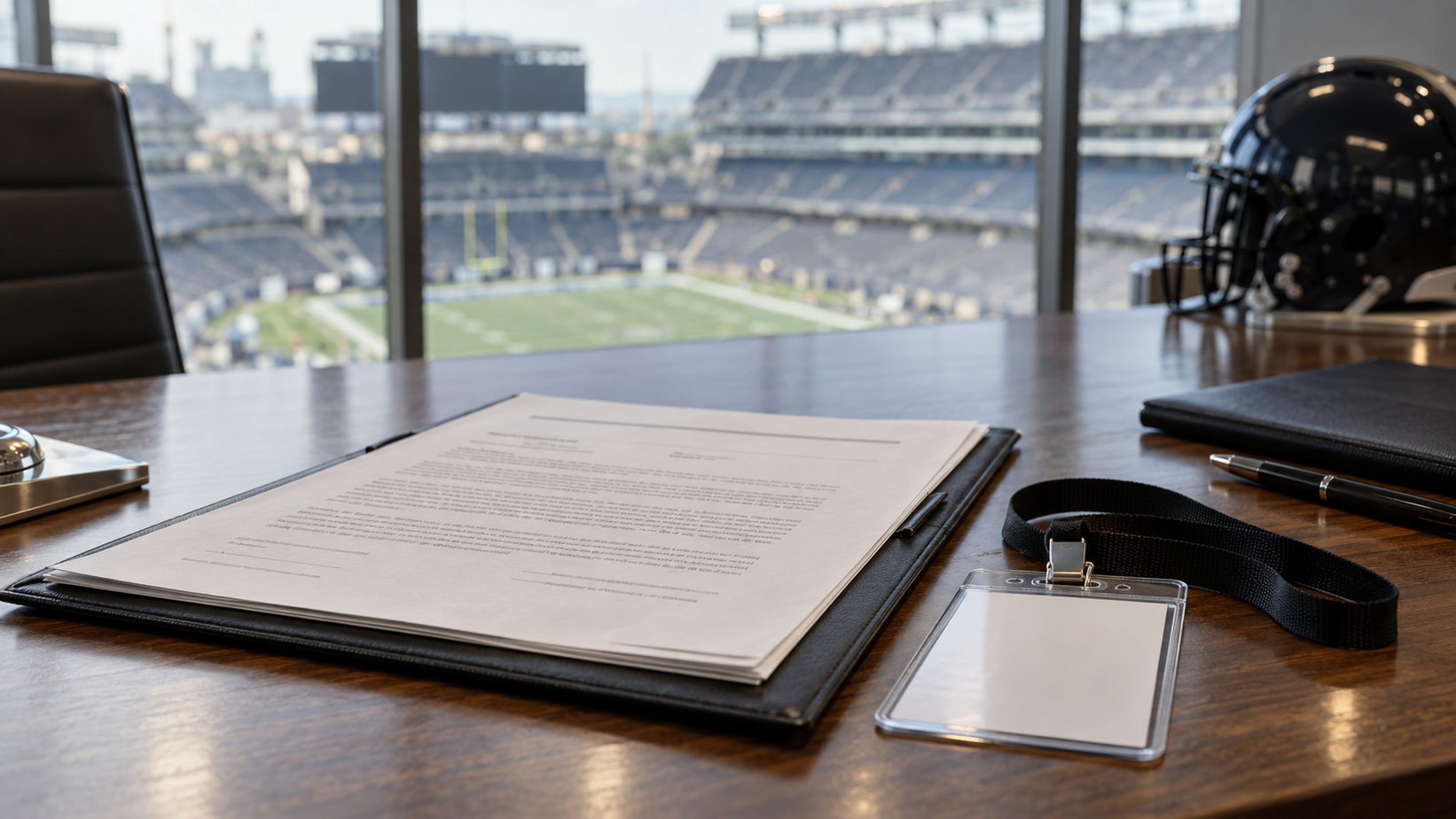
This case will be an important precedent in judging the consistency of the disciplinary system. Fans and the players’ union may compare the length of the penalty with earlier cases and ask for a clear explanation of the criteria. The NFL therefore has to stay consistent when a similar breach occurs at another level of an organisation. For San Francisco, the best response is orderly implementation of the measure, steady running of the front office and the whole squad fully focused on the season.
During the six games of absence, the public will watch closely to see who represents the club in protocol and operational situations. The best solution is a predetermined line of decision-making, so that no topic waits for the owner’s return. Sporting decisions should be documented in the regular process, while the communications team must avoid speculation about the legal outcome. When the suspension ends, York’s return will not automatically close the reputational question. His conduct after the penalty, his attitude towards staff and the consistency of his apology will matter just as much as the formally served period. The club has a chance to show that the rules apply regardless of rank. That may reduce the long-term damage, but only if responsibility remains clear and the competitive side is not used as a distraction from the process.
During this period the league and the club will have to announce only verified changes in responsibility, so that fans do not receive conflicting explanations of the same episode.
Results over the next six weeks should not be linked to the disciplinary case without concrete evidence. The team should be judged on protecting the quarterback, success on third downs, turnovers and red zone defence. The front office is at the same time judged on whether it respects the league’s decision and maintains a stable process. Keeping these measures separate helps ensure that responsibility is not shifted onto the players, and that sporting success does not obscure the seriousness of the penalty imposed on the owner.