

The Denver Broncos beat the Los Angeles Rams 30-26 in Week 3 of the NFL season after coming back from 0-16 at halftime. Bo Nix scored the decisive rushing touchdown 47 seconds from time, and the home defence held off the visitors’ final drive. The outcome stayed open until the closing play, so the final score alone does not show how much the lead swung during the fourth quarter.
From 0-16 to 30 points in the second half
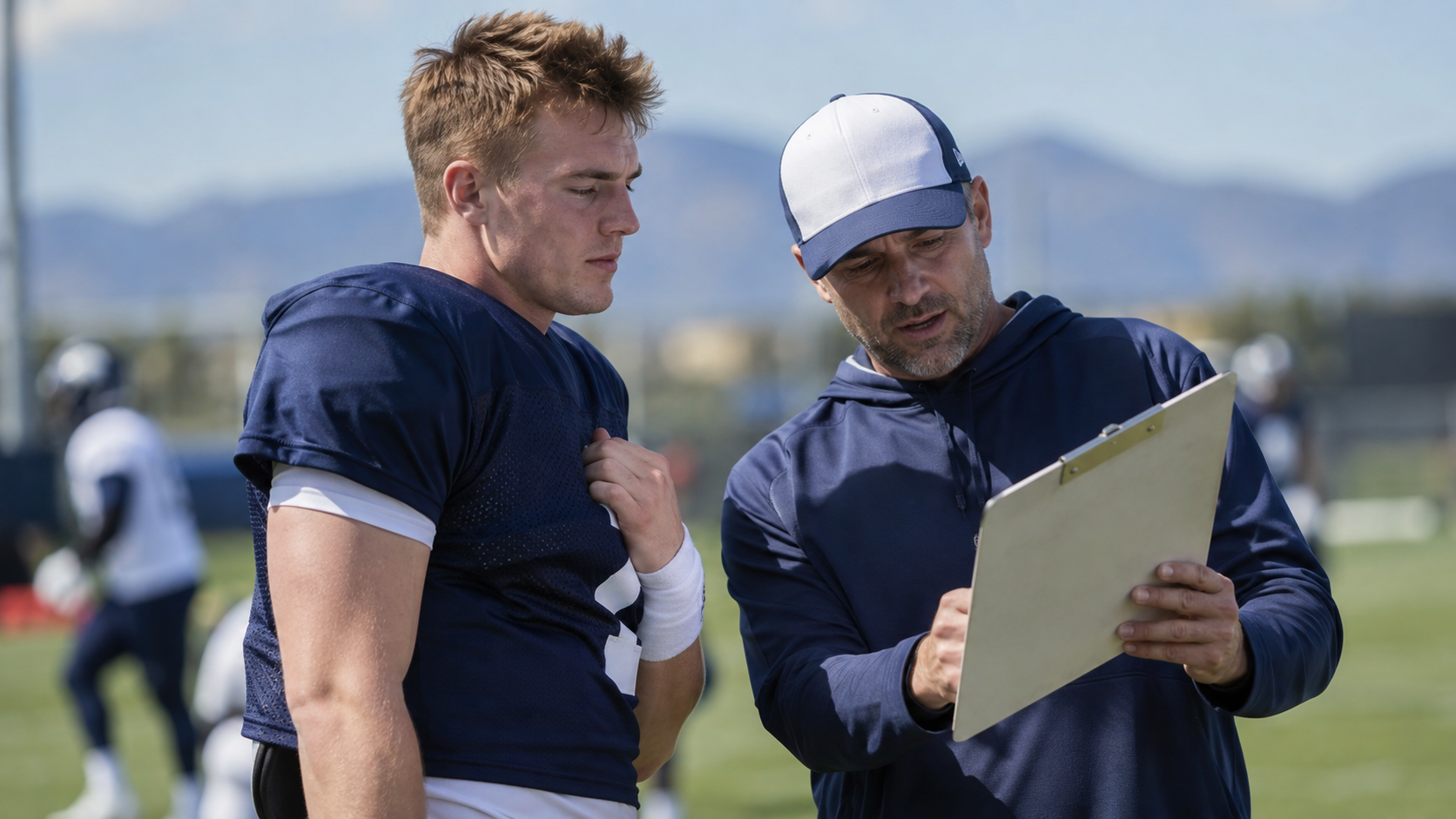
The Rams took a 16-0 lead in Denver and held the hosts to 67 yards of offence in the first half. The Broncos came out after the break, scored 30 points in the second half and levelled the game in the third quarter with two touchdowns, each converted with an extra-point attempt. The change was not only on the scoreboard: according to the club’s report, Denver converted one of three third-down attempts in the first half and six of ten after the interval.
Denver head coach Sean Payton singled out the gap between a poor start and a stronger finish after the game. He praised the team’s fight in the fourth quarter but made clear he wants a better performance from the first whistle. That assessment is more precise than concluding the comeback hid every problem: the hosts won, but first they had to make up a 16-point deficit.
This was not a one-off comeback for Denver. The club’s report notes that the Broncos became the first team in franchise history to win two consecutive games in which they trailed by double digits in the second half. The statistic points to the team’s ability to respond under pressure, and it also explains Payton’s concern: two such wins in a row do not solve the problem of a slow start.
Three lead changes in the closing minutes
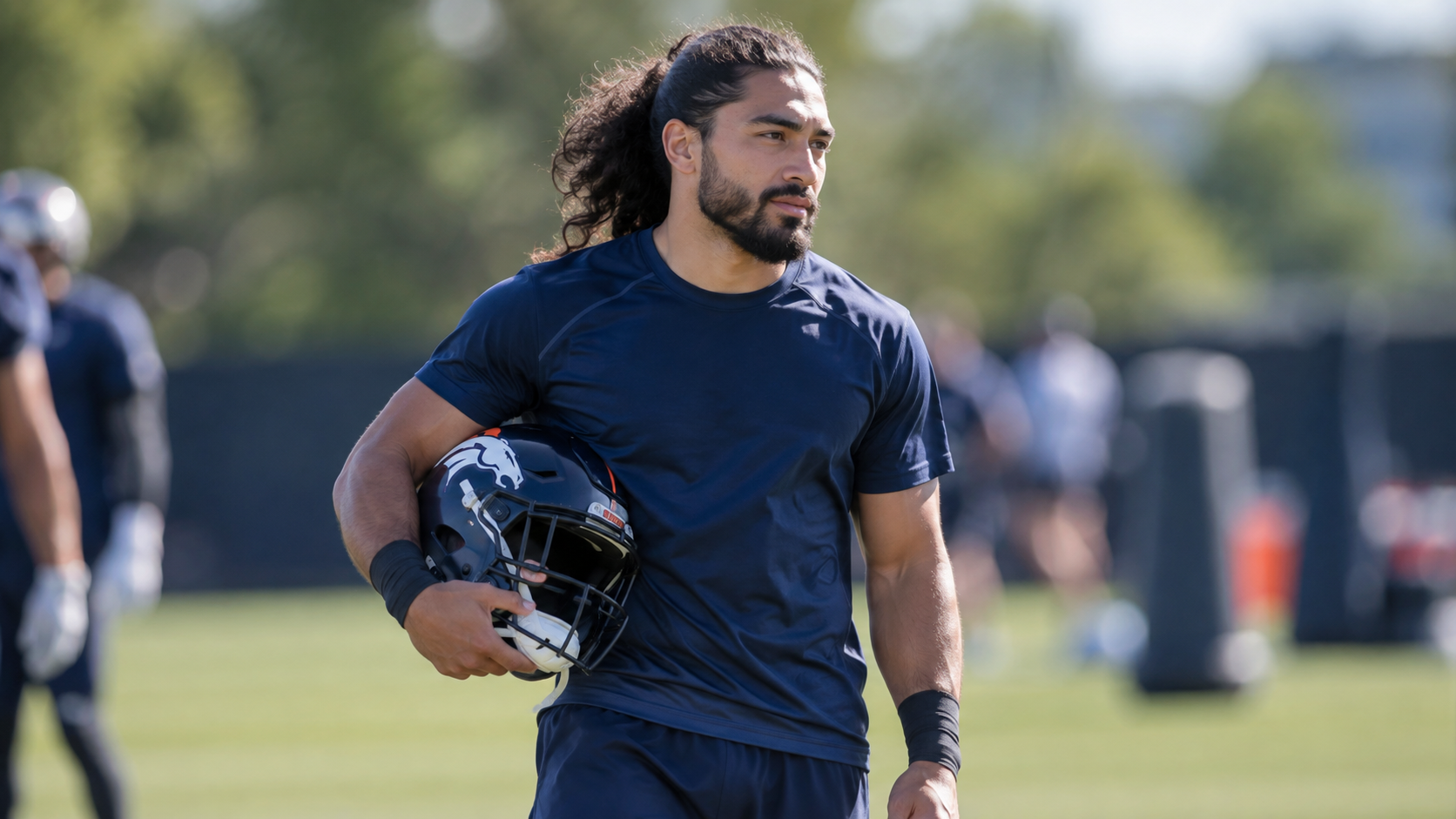
In the final minutes the teams repeatedly swapped the lead and the deficit. One of the most important plays came from safety Talanoa Hufanga, who intercepted a pass from Matthew Stafford and returned it for a touchdown. The Rams answered to take the lead again, so a defensive play alone was not enough for Denver. Nix then drove the hosts close to the end zone on the final possession and finished the comeback with a run.
A contentious moment came just before the decisive score. Josh Wallace caught a Nix pass and at first it looked as though the Rams had been awarded an interception. A penalty for interference with the catch overturned that outcome and Denver kept its drive alive. It is worth separating the officials’ decision from fans’ opinions on whether the contact should have been penalised: the official course of the game is that the Broncos’ drive continued and then ended with the winning points.
Nix crossed the goal line 47 seconds from time. The Rams still had a chance to respond afterwards, which is why the game did not end with his touchdown. Stafford’s last attempt ended with Hufanga’s second interception, and Denver kept its four-point lead. Hufanga’s defensive play links the two key moments of the finish: the points from the returned ball and the stop on the final drive.
What the result means for both teams
After three weeks the Broncos are 2-1, while the Rams are 1-2. For Denver the win is valuable for the way it was earned, but Payton’s comments are a reminder that a comeback from a big deficit cannot be planned as a regular way of playing. For Los Angeles the defeat is especially hard because the team was close to victory several times in the closing stages, including the situation with the overturned interception.
The final 30-26 is confirmed by the official records of both clubs and the NFL. Some text reports contain slips in the score mentioned in passing, so the official match record is the most reliable source for the points. That avoids starting an analysis of a dramatic finish with a wrong score. The Rams’ next game on the schedule is against Philadelphia on 4 October; in the coming week Denver will test whether its offence can start as efficiently as it finished this match.