
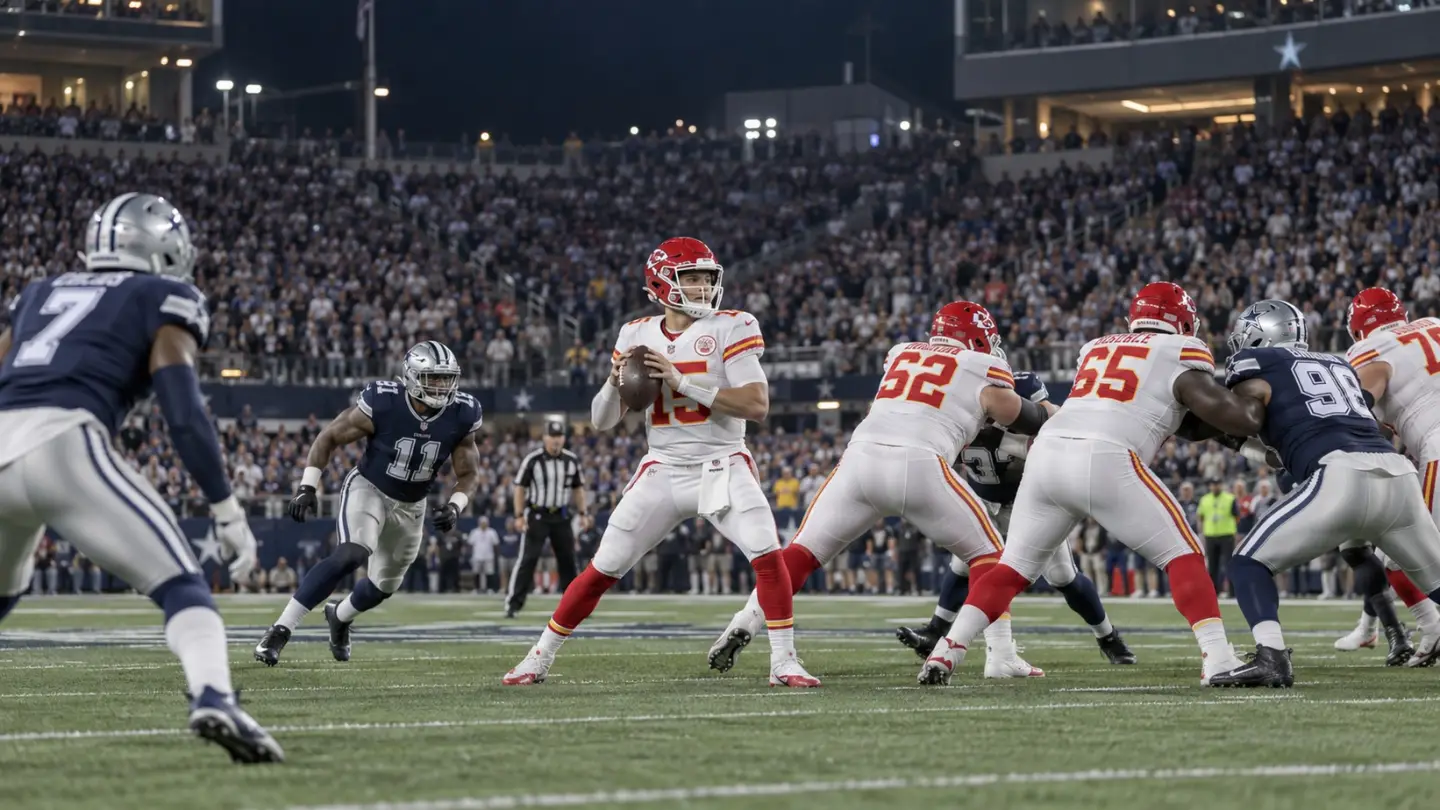
Dallas Cowboys host Tampa Bay Buccaneers on October 8 in a Thursday night game in Week 5 of the NFL season. Dallas comes in at 2-2, while Tampa has lost all four of its previous meetings. Jaylon Daniels will again lead the visitors at quarterback, as Baker Mayfield is still recovering from a thumb injury. The kickoff at AT&T Stadium is set for 20.15 Eastern Time.
In his first start against Green Bay, Daniels led two drives that ended in touchdowns, but he also threw two interceptions in a 17:14 defeat. That split captures his task in Dallas well: Tampa needs to score, yet it cannot hand short fields to an offence that ranks among the league’s most efficient. The first and second downs must therefore leave a simple situation for third down.
The safest plan for the rookie starts with the run game, quick passes and changing the spot from which he takes the snap. If Dallas knows a deep pass is coming, its defensive linemen can attack without holding back. Tampa will try to give Daniels a predetermined first read and an outlet throw, so the decision is made before the pocket collapses.
Daniels has to shorten the field against the Dallas defence
Dallas has the second most efficient scoring offence, so it is not enough for the visitors to merely slow the tempo. The Cowboys can turn one mistake into a double-digit lead quickly. Tampa’s defence must therefore limit big plays and force the hosts to move through long drives, where one penalty or a negative play can end a possession.
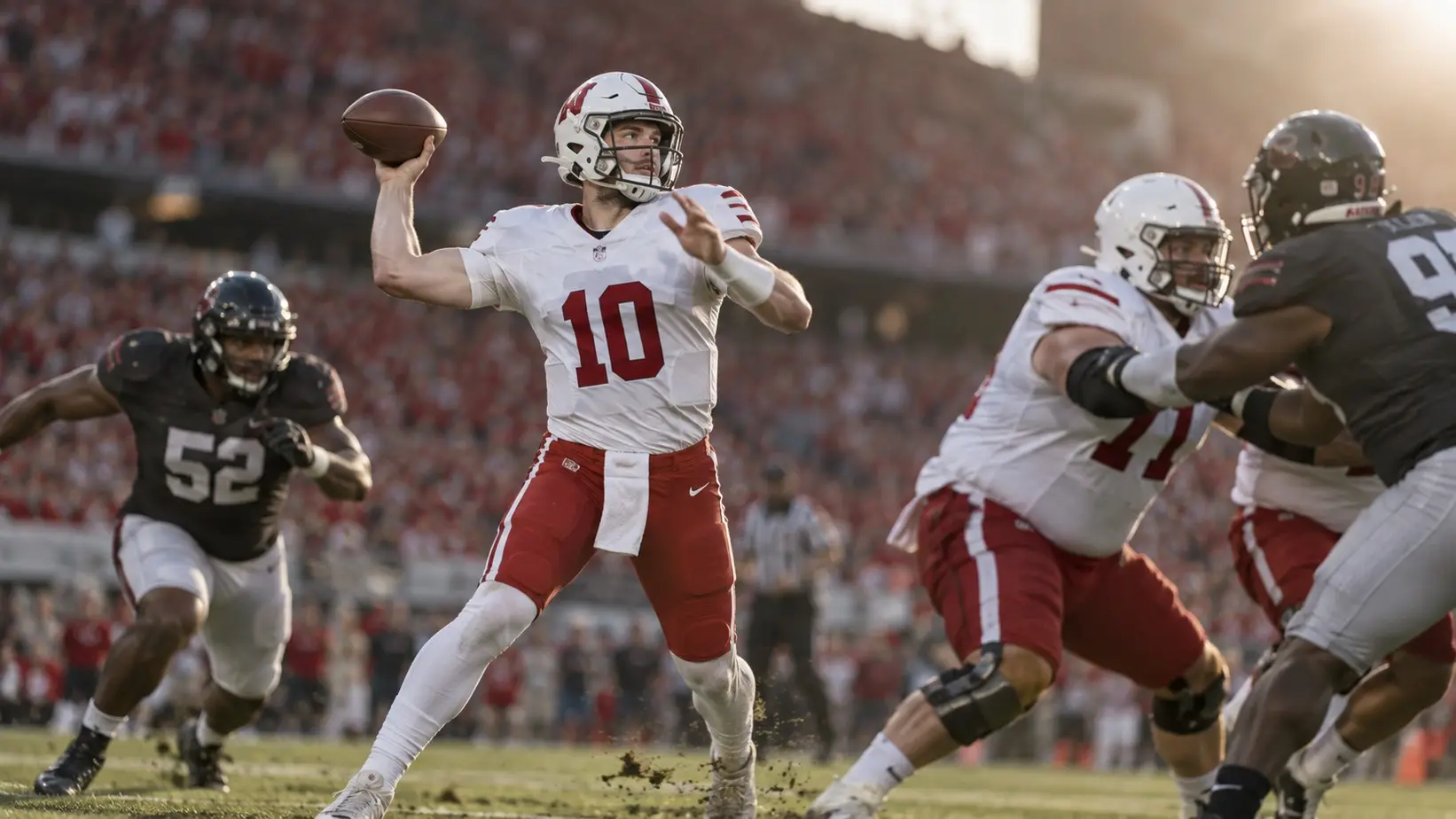
Attention will be focused on the interior of Dallas’s offensive line. Tyler Smith has begun the return-to-practice period after an injury, and his presence would ease the hosts’ protection of the quarterback and their running between the tackles. If he is not ready for a full workload, Tampa will look to attack his replacement with changes of direction and delayed pressure from the second level.
For the Buccaneers, a 0-4 record makes every early possession more important, but aggression without control is no solution. A more useful goal is to remain within one score at halftime and stop Dallas from playing only by the clock. If Daniels protects the ball, the special teams win a good starting field position, and the defence forces at least one short field, the visitors will have a realistic finish.
Tyler Smith’s return could change the balance on the line
The best measure of Daniels’ game will not be yards alone, but the ratio of successful first downs to dangerous passes under pressure. A short completion on third and long does not change possession, while a timely throw out of bounds can be a better decision than forcing one. Tampa must track how often the rookie puts the offence in a position where its full range of options stays available.
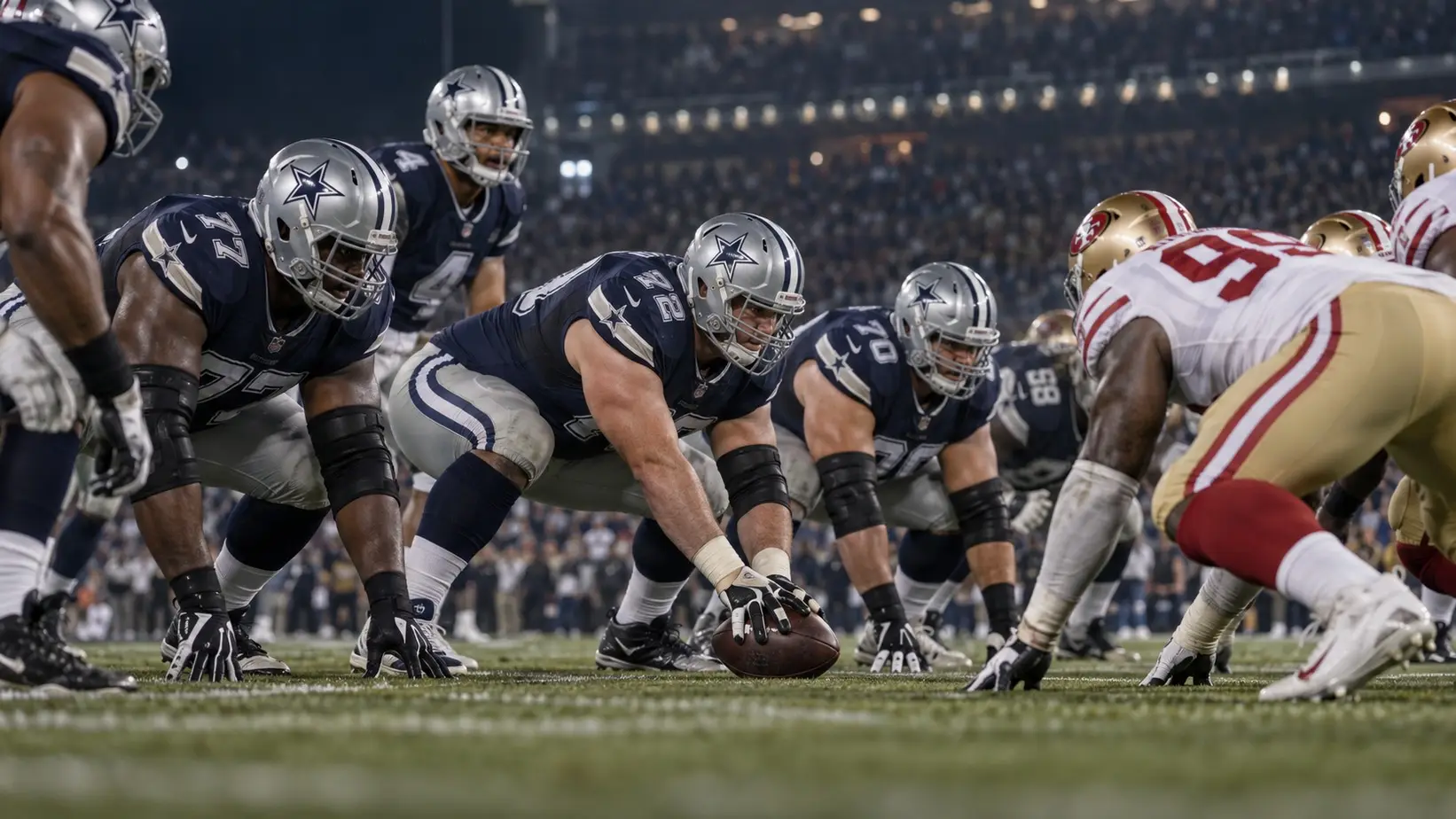
On the other side, Dallas will watch how often it gains at least four yards on first down. That level of production removes obvious passing situations and protects a line that may be weakened. If the Cowboys stay ahead of the required distance, they can use a change of tempo and a play-action pass to add further strain on the visitors’ young defence.
The game will show whether Tampa can turn its rookie quarterback’s respectable debut into a fuller attacking plan. Dallas are favourites on the back of their form, home field and greater scoring output, but they cannot allow cheap mistakes against a side with no room for another defeat. The first fifteen plays and ball security will matter more than an attempt to settle the game with one deep throw.
For Tampa, it will also matter how often the offence avoids a third down of seven or more yards. For Dallas, the same checkpoint is the number of pressures generated without an extra blitz. If the host can disrupt the rookie with four players, the rest of the defence stays in coverage and the room for a safe short pass becomes much narrower.
Special teams can ease the pressure on Daniels with good field position, while a single penalty on a return can wipe out that advantage. In a match this important, discipline before the snap and secure catching of the punt carry almost the same weight as one successful offensive drive.