
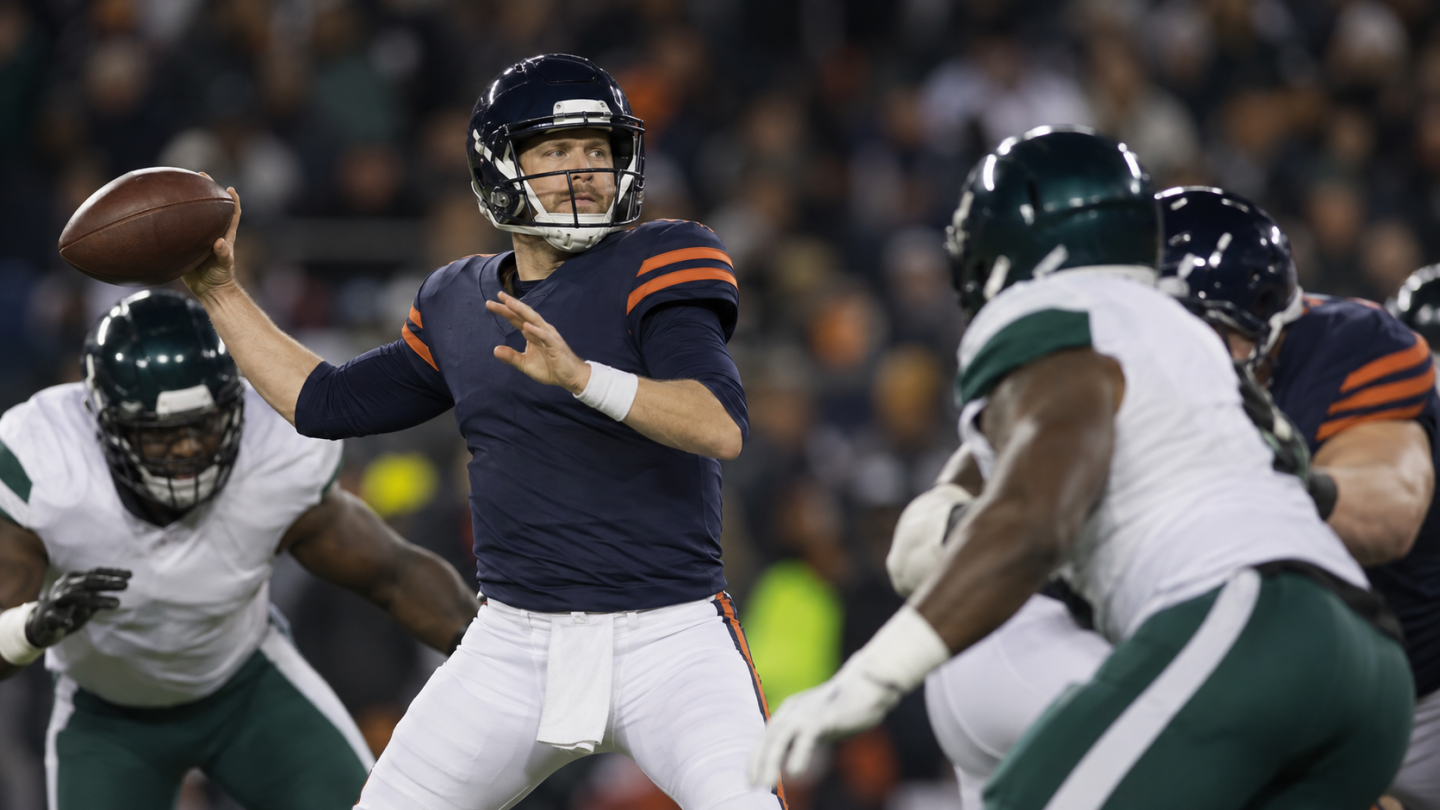
Chicago beat Philadelphia 27:7 in a game where backup quarterback Case Keenum made his first start in almost three years. The 38-year-old veteran finished with 247 passing yards and two touchdown passes, and added another touchdown on the ground. Chicago improved to 2-1, and Philadelphia now sits at the same record, but the way Chicago won showed a far bigger gap than the standings suggest.
Keenum set a quick, short-passing rhythm right away. On the opening drive he completed five of six throws for 45 yards and finished the series with an unusual underhand toss to Luther Burden, who used his teammates’ blocks to cover the final yards into the end zone. Across the evening, Keenum went 14 of 20 on throws released in under two and a half seconds, for 145 yards and two touchdowns. His quick decisions gave the Philadelphia defence little time to build any pressure.
Backup quarterback changed the tempo of the offence
Chicago’s attack usually relies on improvisation and holding the ball longer when Caleb Williams is running it. His injury to the back of his leg opened the door for Keenum, who ran the system in a simpler, more timely way. The experienced quarterback completed 24 of 34 passes, and with his rushing touchdown he became the oldest player in Chicago’s history to score in that way. His performance now gives the coach a realistic option until Williams returns.
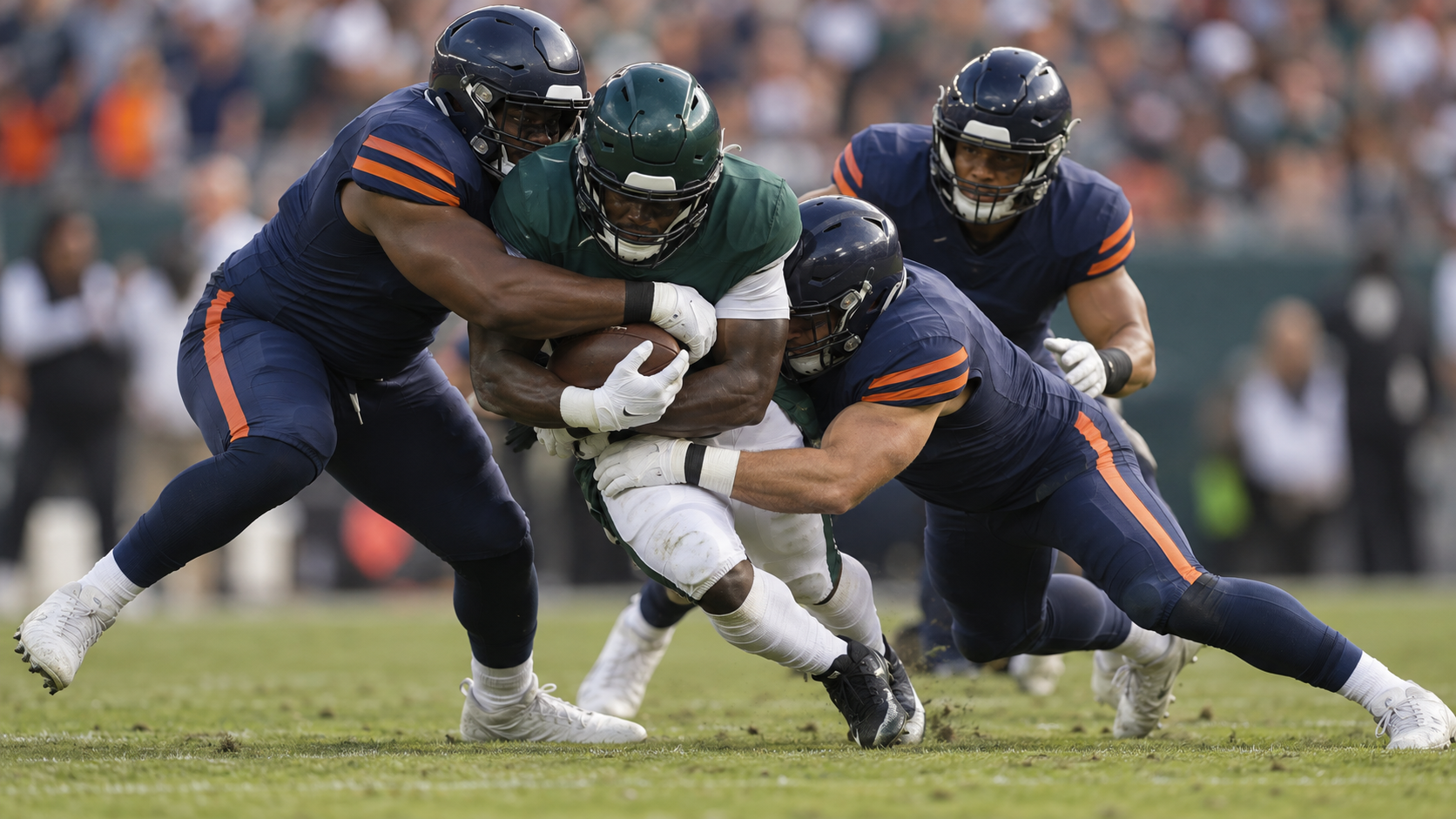
Philadelphia ran into trouble early through its own mistakes. An intentional grounding call stopped a promising first drive, Tank Bigsby then fumbled on his own 15-yard line, and backup quarterback Andy Dalton threw an interception near the end zone while Jalen Hurts was going through a concussion evaluation. Hurts was cleared to continue, but the Eagles never found any rhythm and were held to just seven points.
Chicago’s defence turned mistakes into control
Chicago never had to make risky plays, because its defence kept giving the offence the ball in good field position. When a team with a backup quarterback gets an early lead, the key is to avoid short possessions and not hand the opponent free chances. Chicago did exactly that: Keenum picked the throws that were available, the offence ate up the clock, and the defence pushed Philadelphia into long third-down situations. The 27:7 scoreline was the product of discipline across every unit.
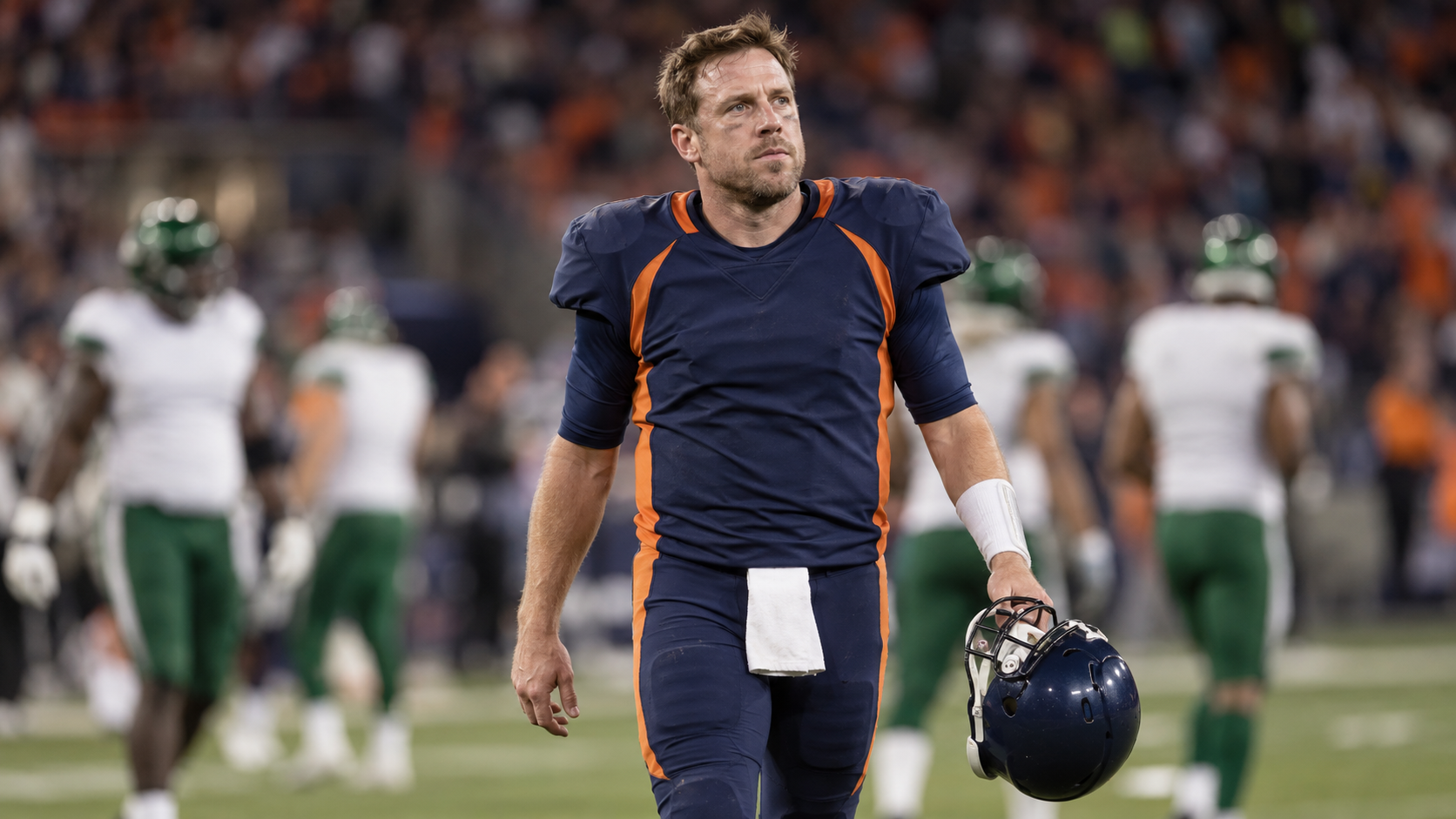
For Chicago, the next question is the status of Williams’ injury and the decision on who starts the next game. One strong outing from a veteran does not change the long-term pecking order, but it shows the team does not have to rewrite its whole plan when its first quarterback is missing. Philadelphia must fix ball security and its opening series, because four quarters cannot be built on constantly correcting early errors. Both teams are 2-1, but Chicago leaves this game with clearer answers.
Keenum’s age makes the record an interesting one, but Chicago values more his speed in reading the defence. The experienced quarterback often knew where he wanted to throw the ball before the snap, so the line and receivers had simpler jobs. That does not mean the same recipe will automatically work against every defence. Opponents will now try to shut down the short routes, change their coverage after the snap, and force him into deeper throws toward the outside of the field. The next outing will therefore show whether this was a perfectly prepared game or a sustainable alternative while Williams is out. For Philadelphia, the film review should start with ball security, since tactical adjustments have little value when drives end in gifted possessions.
An extra benefit of the win is that Chicago did not have to change its defensive identity to protect a backup quarterback. The offence simply stayed on the field longer, so the defensive unit came into series more rested and with more freedom to attack Hurts.