
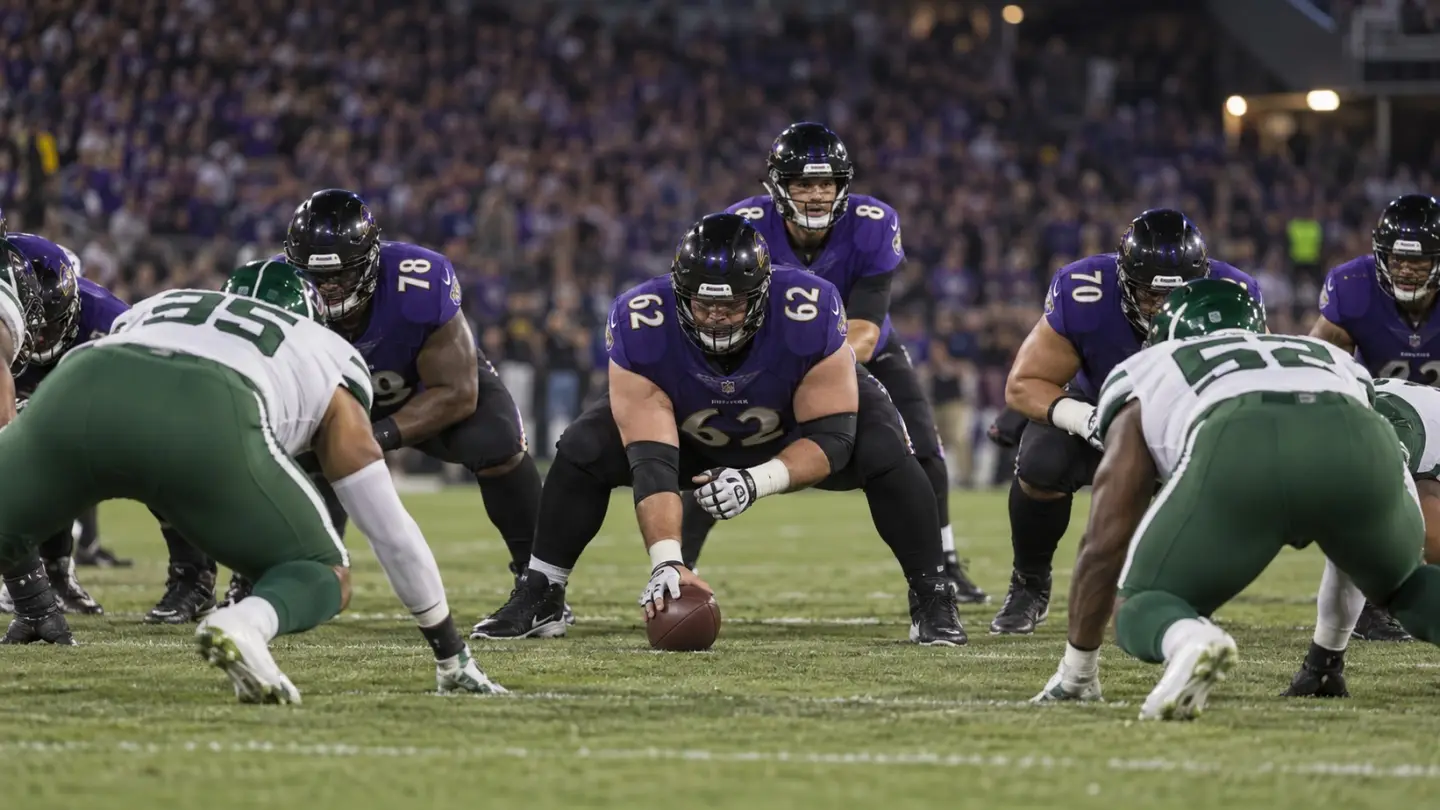
On 7 October Baltimore acquired Jergens and a seventh-round pick in 2027, sending Philadelphia its fifth-round pick in 2027 and second-round pick in 2028. The confirmed date, result and lineup give a solid base, but the forecast should be kept apart from what has already happened. For the reader, the most useful thing is to see at once the reason, the key change and the first upcoming test. That keeps the story clear even if circumstances shift later, and lets the assessment be checked on the field. For that reason, the next official update should confirm the consequence now flagged as the key one.
The centre passes protection to the whole line and affects nearly every snap; Philadelphia’s experience in a moving line suits the varied Ravens attack. The final score does not always show how an advantage was built. Watch the allocation of responsibilities, the reaction to the first failure and the ability to repeat the same good decision. A brief turnaround can hide a weak plan, while a quiet spell without big numbers often sets up the decisive situation a few minutes later. Reading the game this way gives the reader a basis for understanding both the result and the decisions that led to it.
Why Baltimore needed an experienced centre
The first goal is to ease pressure through the A gaps, then a safer first attempt, and only then more complex blocks in space. The plan must be clear enough to carry out under pressure. The first option uses the biggest advantage, and the backup must answer the rival’s most likely reaction. Adding new tasks without a clear reason slows the decision; a good adjustment changes only the part that is not working and keeps what already produces results. Execution is then judged by the clarity of the decision, the reaction time and the quality of position after the attempt.

Settling in mid-season carries the risk of wrong terminology, snap rhythm and doubling one defender while another goes free. Risk management decides how long a plan can last. A neutral outcome sometimes preserves position, energy or possession for a better chance, while forcing without preparation opens the door to a counter. The balance between gain and danger shifts with time and the score, so the same decision is not equally good at the start and in the closing stages. The true measure of discipline will be how often danger is spotted before it turns into damage.
What the trade changes for the Ravens and the Eagles
Watch the pressure through the middle, yards on first down, penalties before the snap and the share of plays in which the offence avoids third and long downs. These figures allow the conclusion to be checked after the event. The final score shows the outcome, but only a comparison by period reveals where the advantage came from and whether it can be repeated. It is especially useful to separate the opening plan from decisions made under fatigue, since that shows the stability of technique and the quality of preparation. If the figures are read in order, it will be clear whether the change was planned, temporary or accidental.
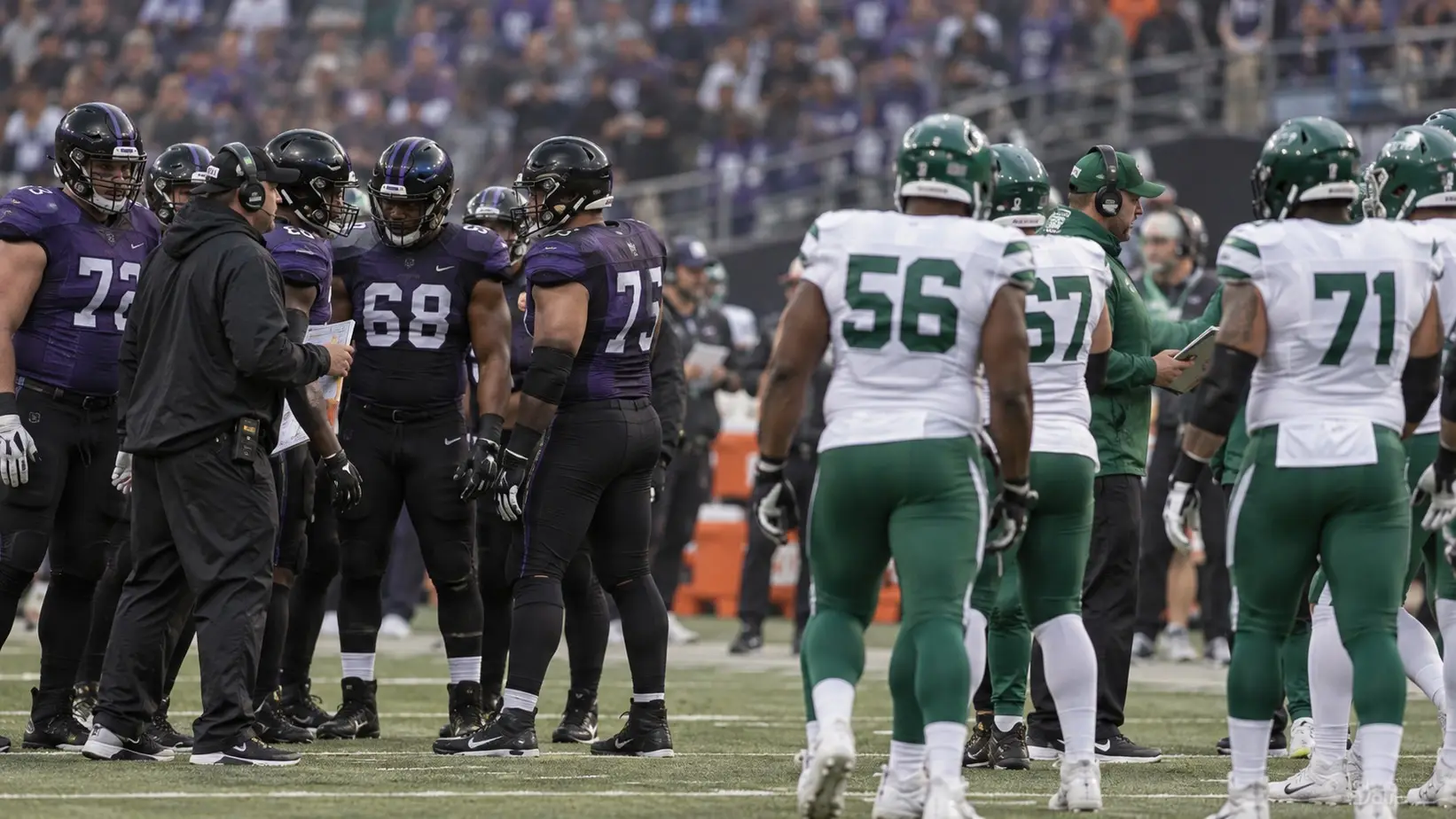
Baltimore pays a heavy price for an immediate fix, while Philadelphia gains capital and a chance to test its younger centres. The significance does not end with the last point or decision. A good performance opens a new opportunity, but consistency is what confirms the change can last. A weaker result can still be useful if it yields two or three precise tasks. A broad overhaul of everything usually hides the real cause and makes the next check harder. That follow-up gives today’s news long-term value and links the immediate outcome to the next realistic goal.
The trade will succeed if Jergens first stabilises communication and then lets the Ravens restore full width in the play-action game. The conclusion must therefore stay tied to the evidence available now. The best next check uses the same control points in different conditions, so it becomes clear what belongs to quality and what to circumstance. Repeating a good pattern against a new demand gives the assessment more weight than a single striking play. For that reason, the final judgement should be updated only when fresh comparable data arrives from the official game.