Serbian Football Prepares for Major Laws of the Game Changes in 2026/27

- Author: SerbianSport
- SerbianSport
The Football Association of Serbia has presented the main Laws of the Game changes for the 2026/27 season. The new rules are designed to protect match flow, reduce time-wasting, improve player behaviour, and make several restart situations easier for referees to manage.
The amendments follow decisions approved by The International Football Association Board and come into force from July 1, 2026. Some competitions can introduce them earlier, particularly tournaments beginning before that date. Serbian clubs, referees, coaches, and players must therefore study the changes before the new domestic season starts.
GOALKEEPERS RECEIVE EIGHT SECONDS WITH THE BALL
The most visible change concerns goalkeepers controlling the ball with their hands. The permitted period increases from six to eight seconds, but the sanction becomes more practical. If the goalkeeper holds the ball too long, the opposing team receives a corner kick instead of an indirect free kick.
Referees will use a visible five-second countdown near the end of the allowed period. The change gives goalkeepers a realistic amount of time to restart play while creating a clear consequence for deliberate delay.
Situation: Goalkeeper controls the ball
2026/27 decision: Maximum eight seconds
Situation: Time limit exceeded
2026/27 decision: Corner kick to the opponents
Situation: Final part of the limit
2026/27 decision: Visible five-second referee countdown
SUBSTITUTIONS AND INJURY DELAYS FACE STRONGER CONTROL
Players leaving the pitch after being substituted are expected to do so promptly. Unreasonable delay can lead to a caution. The principle is simple: a substitution should not become a method of removing a large amount of playing time near the end of a match.
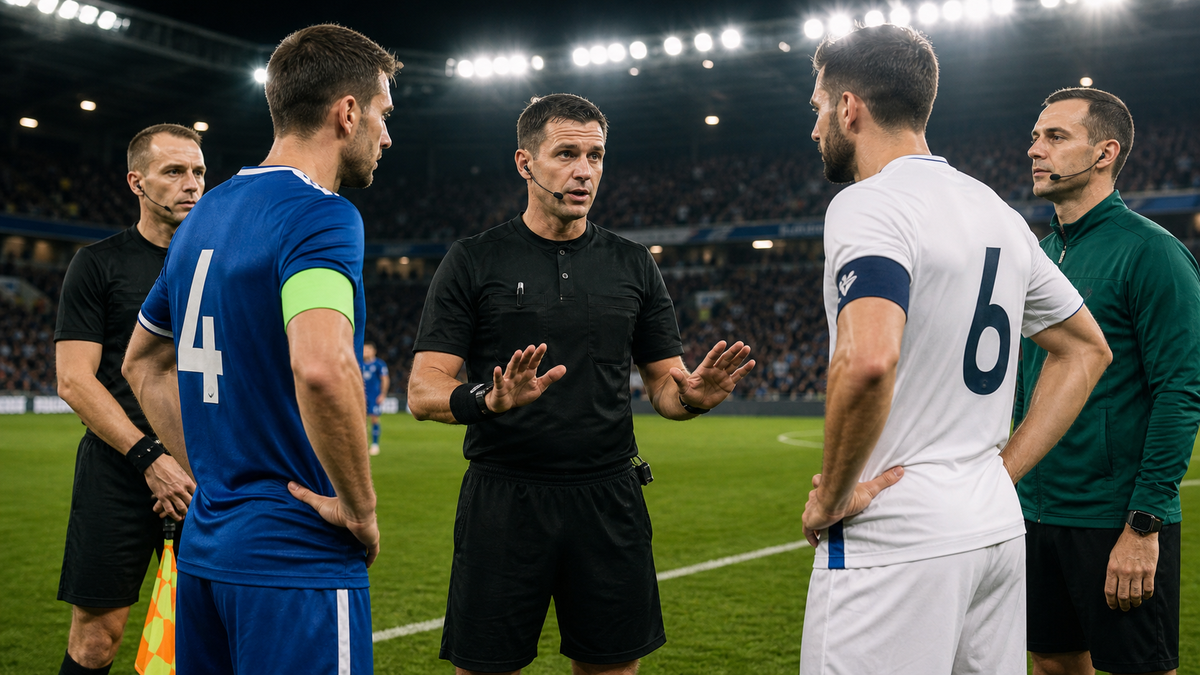
The 2026/27 changes focus on match flow and player behaviour.
The treatment rule for injured players has also been strengthened. A player who receives medical treatment on the field must normally remain off the pitch for a set period before returning. Competitions can determine a period of up to one minute.
There are exceptions, including situations in which the player was injured by an opponent who was cautioned or sent off for the challenge. The rule is aimed at discouraging unnecessary treatment delays without punishing players who clearly require assistance.
EIGHT-SECOND RESTARTS APPLY TO SEVERAL SITUATIONS
Throw-ins and goal kicks must be taken within eight seconds when the team is ready to restart. Referees can again use a visible five-second countdown. If a player delays the restart beyond the limit, possession can be transferred through the appropriate opposing restart.
The same emphasis on speed appears in dropped-ball situations. The referee must restart play promptly once the players are in position. These changes are meant to remove long pauses in which the ball is available but no player takes responsibility for continuing the match.
THE MAIN MATCH-FLOW CHANGES
- Eight seconds for goalkeeper possession
- Visible countdown before selected time limits expire
- Stronger sanctions for slow substitutions
- Time limits for throw-ins and goal kicks
- Faster dropped-ball restarts
CAPTAINS RECEIVE A CLEARER COMMUNICATION ROLE
Competitions can use the captain-only principle, allowing the referee to identify one captain from each team as the main player permitted to approach during important explanations. Other players must keep their distance when instructed.
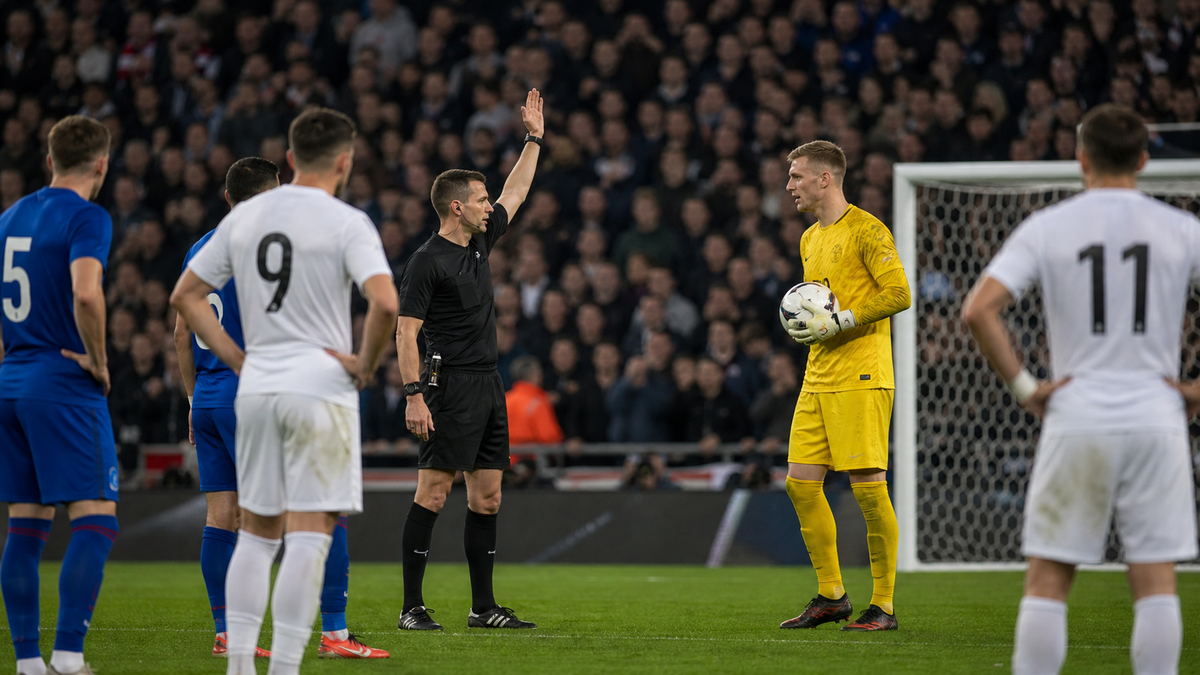
Goalkeepers will have eight seconds before opponents receive a corner.
This does not prevent normal communication during the match. The purpose is to control confrontations in which several players surround an official at the same time. A player who ignores the referee's instruction to move away may be cautioned.
The captain-only approach can be introduced by individual competitions, so Serbian teams must also check the specific regulations of the league or cup in which they participate.
ACCIDENTAL CONTACT BY A TEAM OFFICIAL HAS A NEW SOLUTION
If a team official, substitute, substituted player, or sent-off player accidentally touches a ball that is clearly leaving the field, the referee can award an indirect free kick without automatically showing a disciplinary card. Deliberate interference remains punishable.
This distinction allows referees to separate harmless accidental contact from an attempt to influence play. The location and movement of the ball will be important when deciding whether it was clearly going out.
VAR COMPETITIONS RECEIVE LIMITED NEW OPTIONS
Competitions using VAR may choose to allow reviews of an incorrectly awarded second yellow card and cases of mistaken identity. VAR can also intervene in a clearly incorrect corner-kick decision, but only if the review can be completed immediately and without delaying the restart.
These additions do not turn every decision into a reviewable incident. The focus remains on clear errors with significant consequences. Competition organizers decide which permitted options they will implement.
WHAT SERBIAN CLUBS MUST PREPARE
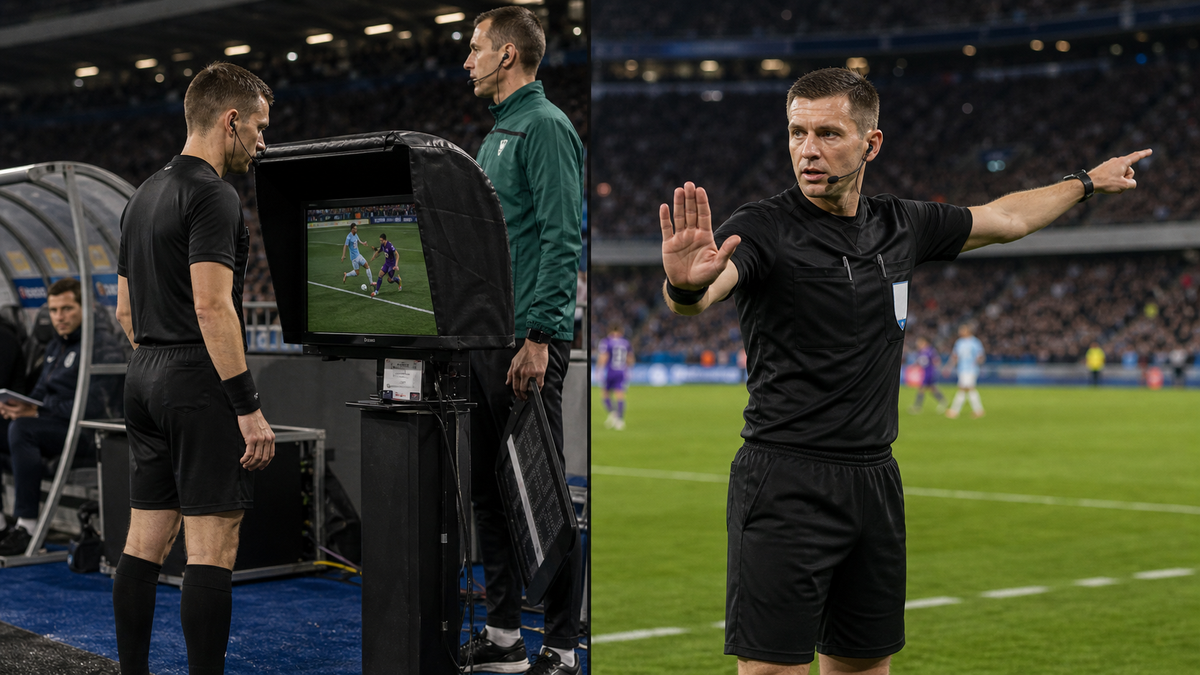
Competitions may adopt limited additional VAR review options.
- Goalkeepers need faster and more consistent distribution routines
- Substitutes must leave the field without unnecessary delay
- Captains should understand their communication responsibility
- Coaches must study competition-specific VAR and treatment rules
THE NEW RULES TARGET LOST TIME AND CONFRONTATION
The 2026/27 amendments do not radically change football tactics, but they can influence match management. Teams that routinely slow restarts or surround referees will face clearer sanctions, while organized teams can use quicker restarts to maintain momentum.
For Serbian football, the preparation period begins before the first competitive match. Referees need consistent interpretation, and clubs must explain the changes to every player. The objective is a faster match with fewer avoidable delays and clearer communication.
Discuss the news - leave a comment!
Go to comments ↓
Comments
0