Serbia U18 women finish fourth and qualify for the World Cup

- Author: SerbianSport
- SerbianSport
Serbia's U18 women's team finished fourth at the European Championship in Stockholm. The result also secured a place at the 2027 U19 World Cup.
Coach Miljana Bojovic highlighted the squad's age after the tournament. Most Serbian players were born in 2009 and faced older opponents throughout the event.
A young group reached the semifinal
The European Championship was mainly built around players born in 2008. Serbia selected a squad led by the following age group. That difference affected strength and experience during several matches. It also gave Serbia's players valuable minutes before their main age-group season.
The team moved through the early tournament stages and reached the semifinal. That position guaranteed a match for a medal on the final day. Fourth place came after competing against stronger and more physically developed teams. The finish exceeded simple expectations based on age alone.
The opening match required a response
Serbia began the tournament poorly against Poland and played with visible tension. Bojovic addressed the problem during the halftime break. The players responded by showing the style developed during preparation. Their confidence and movement improved as the competition continued. One difficult half did not define the entire tournament. Serbia used later matches to build a place among the final four teams. The coach described that recovery as an important part of the result. It showed that the group could accept correction during a competitive match.
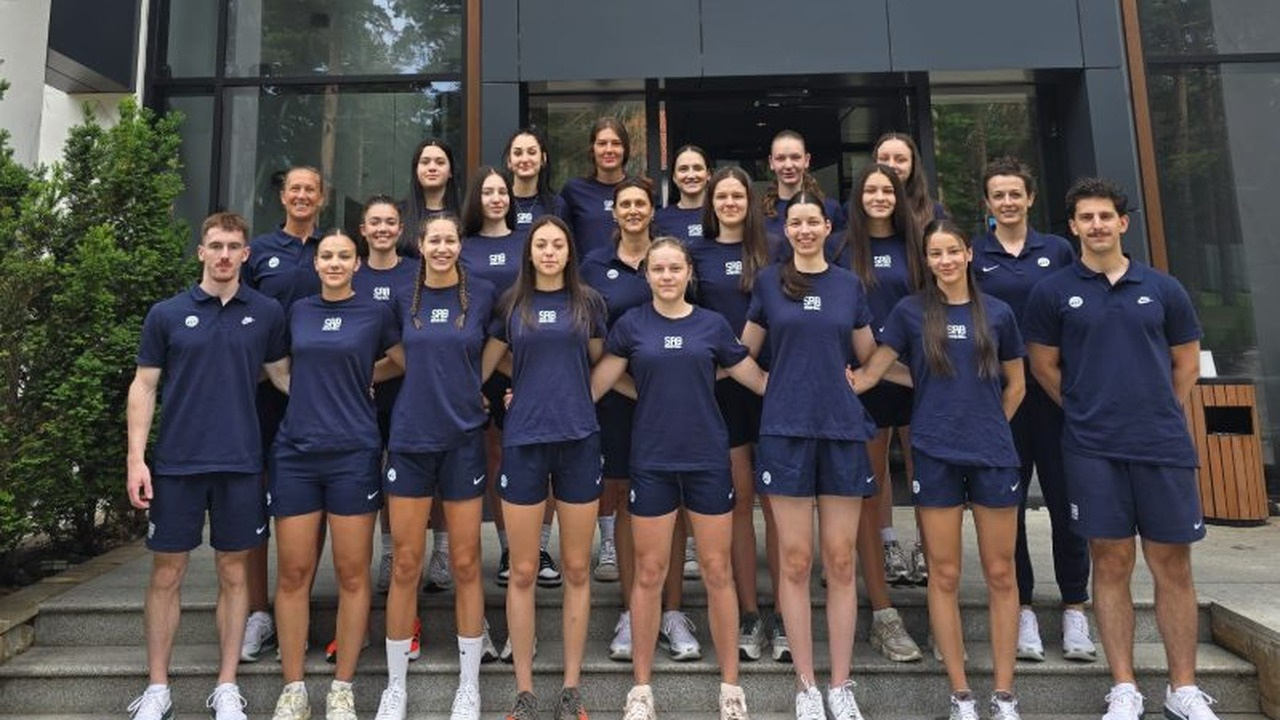
Serbia's under-18 women's basketball squad gather during preparations.
Serbia met Spain in the semifinal and Finland in the bronze-medal game. Both opponents placed strong physical pressure on the young Serbian lineup. The energy required in earlier rounds also affected the final weekend.
Serbia had played with high intensity throughout the tournament. Bojovic said the players gave everything available during those matches. The defeats therefore ended the medal attempt without changing the wider achievement. Spain advanced from the semifinal, while Finland secured the bronze medal. Serbia therefore completed the championship in fourth position.
World Cup qualification gives the result lasting value
Europe received five places at the next U19 Women's World Cup. Serbia's tournament finish secured one of those positions. The global competition will take place in Chengdu in 2027. Serbia can now prepare knowing that its place is already confirmed. Qualification matters because the same generation will gain another major tournament. The players can return one year older and with this experience recorded. Fourth place therefore produced more than a final ranking. It opened a confirmed international programme for the following summer.
Former Serbia international Tina Krajisnik worked with the group as a sports psychologist. Her role focused on preparation and recovery during the event. Youth tournaments place several demanding matches inside a short period. Players face mistakes, fatigue and knockout pressure during the same week. Bojovic described psychological work as an important part of that process. Krajisnik brought both professional basketball experience and specialist support. Her role did not replace the coaching or medical staff. It added another form of guidance around a young national squad.
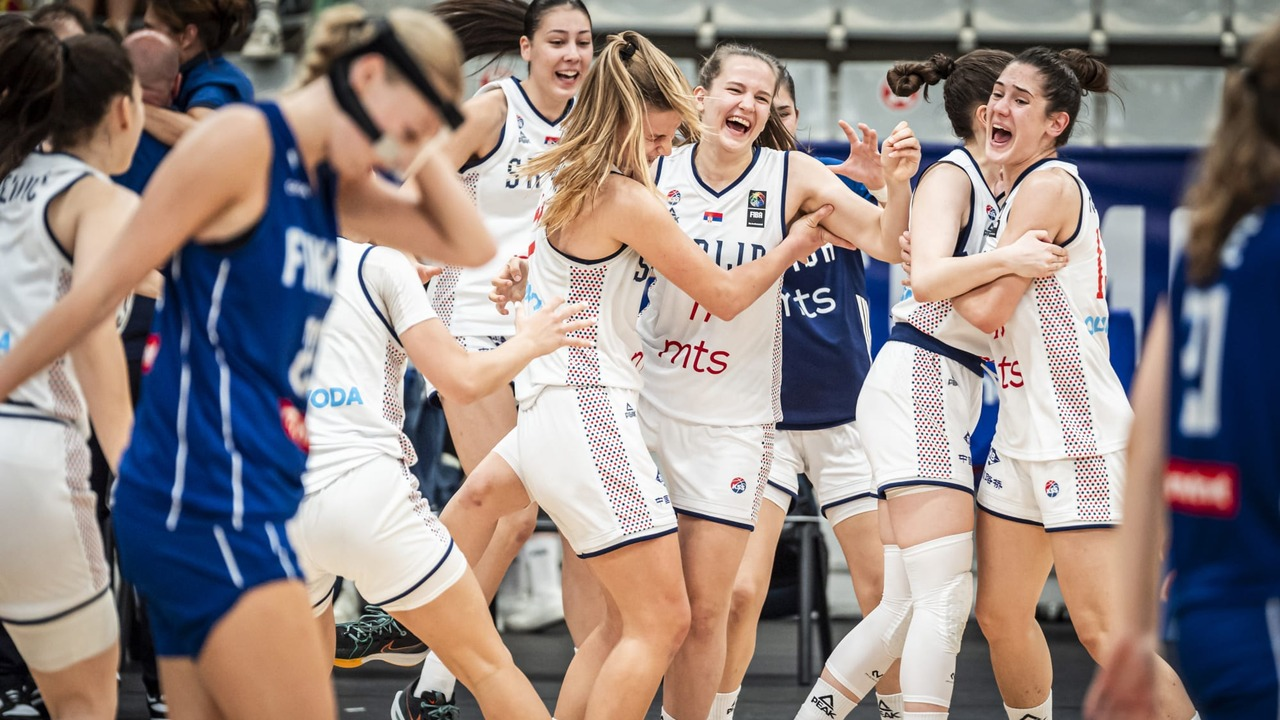
Serbia's under-18 women's basketball players celebrate together on court.
The next season belongs to this generation
The players born in 2009 will move into their main U18 year next summer. They will carry the experience of a European semifinal. Bojovic said the team does not need consolation after finishing fourth. She views the championship as a major result for the group. A missed medal remains disappointing, but it is not the only measure.
Qualification and development provide two concrete gains from Stockholm. Serbia now has a confirmed World Cup place and a tested generation. The next preparation cycle begins from those facts rather than from an empty promise. Serbia reached the medal weekend with a roster younger than most opponents. Players born in 2009 carried important roles against teams built around the 2008 generation. The age difference appeared in physical contact and late recovery. Serbia still moved through the earlier rounds and earned a semifinal place. That path included difficult moments after the opening game against Poland. The staff used the interval to simplify decisions and restore confidence. The players then showed the movement and passing developed during preparation.
Spain ended Serbia's title attempt in the semifinal. Finland then won the match for third place. Those defeats left Serbia fourth in the final table. The tournament finish still secured a World Cup place. Europe had five available positions for the 2027 event. Serbia claimed one through its final position in Stockholm. The same generation therefore has a confirmed place in the next global championship. No additional European qualification stage separates the team from that event. Krajisnik supported the squad as a sports psychologist rather than a coach. Her work helped players manage pressure, recovery and communication. Youth championships place several demanding games inside a short schedule. One poor period can affect confidence before the next match arrives. Psychological preparation gives players a routine for handling that change. Bojovic included this work within the wider staff plan. Her work did not replace the team's basketball preparation. It supported young players while they faced older opponents and medal-stage pressure.
Most of the squad remains eligible for the same age group next summer. The players will return with experience from a European semifinal and a bronze-medal game. They also faced the physical standard set by the leading teams. The staff now has complete recordings from the tournament in Stockholm. The 2027 World Cup in Chengdu provides a fixed long-term goal. Serbia finished without a medal but with qualification already secured. Fourth place combines a missed podium with a confirmed international result. Serbia's fourth place secured one of Europe's five World Cup positions. The players left Stockholm with a confirmed place in Chengdu. They missed the continental medal after losses to Spain and Finland. Most of the group remains eligible because many players were born in 2009. Another year of club basketball separates Stockholm from the World Cup. The staff now has complete match recordings against leading European opponents. Those recordings show where stronger contact affected Serbia and where quick passing remained effective. The confirmed qualification gives the same generation another major international tournament.
Discuss the news - leave a comment!
Go to comments ↓
Comments
0