Serbia U16 women beat Brazil at the water polo worlds

- Author: SerbianSport
- SerbianSport
Serbia defeated Brazil 11-5 at the under-16 women's water polo world championship. The Serbian team recovered after losing the opening quarter. A strong defensive response produced its third victory in Zagreb.
Jana Pejić and Maša Ćuk scored five goals each. Goalkeeper Dunja Lovčević completed nine saves. Serbia advanced into the group that decides places from ninth to sixteenth.
Brazil make the stronger start
Brazil attacked confidently during the opening quarter. Its players found space before Serbia settled defensively. The first period ended with Brazil leading by one goal.
Serbia did not allow that gap to grow. The team continued creating shots from central and outside positions. Two early goals kept the match within reach. Brazil extended the score during the next period. Serbia answered and reached a 4-4 tie. That exchange became the final level score of the match.
Jana Pejić took the next shot. She scored from distance and gave Serbia its first lead. The goal arrived late in the second period. Serbia carried a narrow advantage into the break.
The opening half showed two different phases. Brazil controlled the first minutes with direct attacks. Serbia gradually reduced the available space.
Neither team dominated every statistical area before halftime. The important change came through Serbian defensive discipline. Brazil found fewer clear finishes as the match continued.
Serbia take control after halftime
A goal from Jana Pejić opened the third period. Her finish increased Serbia's lead and changed the pace. Brazil then faced longer attacks against an organised defence.
Ćuk added two goals during Serbia's strongest spell. The lead reached four before the final break. Brazil did not score during the entire third quarter.
That scoreless period became the decisive part of the match. Serbia protected the centre and challenged outside shots. Lovčević completed several saves behind the defence.
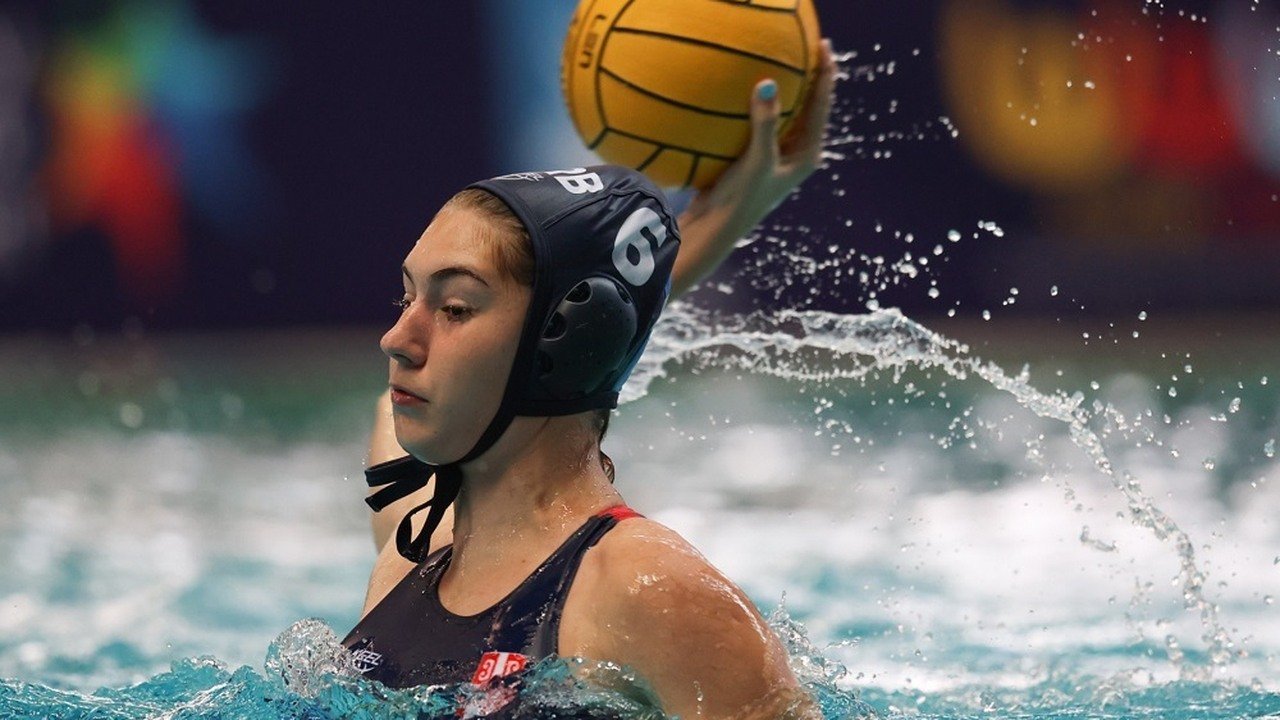
Serbia controlled the match against Brazil after the first quarter.
The Serbian team also used counterattacks after defensive stops. Fast movement created chances before Brazil reset. Those attacks reduced the pressure on longer possessions. Serbia entered the last quarter with a clear lead. The players kept the same defensive shape. Brazil required several quick goals to return.
Serbia won the final period by three goals to one. Serbia therefore won each of the last three quarters. The final margin reached six goals.
Pejić and Ćuk each finish with five goals
Jana Pejić's final total was five goals. Her outside shooting changed the score before halftime. She also added another goal during Serbia's second-half control. Ćuk matched that total with five goals of her own. Two came during the decisive third period. Her movement gave Serbia another threat near the goal.
| Result | Serbia 11-5 Brazil |
|---|---|
| Top scorers | Jana Pejić and Maša Ćuk with five each |
| Goalkeeper | Dunja Lovčević recorded nine saves |
| Next stage | Classification for places nine to sixteen |
The pair scored ten of Serbia's eleven goals. That concentration made their finishing especially important. Other players still created space and supplied passes.
A goals total does not include every useful contribution. Serbian defenders blocked routes and forced difficult shots. Those actions started several attacks at the other end.
The team's final goal came outside the two leading scorers. It completed a balanced second-half performance. Serbia did not require a late defensive escape.
Both leading scorers worked within the same organised attack. Pejić threatened from range while Ćuk found closer positions. Brazil struggled to protect both areas after halftime.
Lovčević records nine saves for Serbia
Dunja Lovčević's final total was nine saves. Several stops came after Brazil created promising positions. Her work helped Serbia complete a scoreless third quarter.
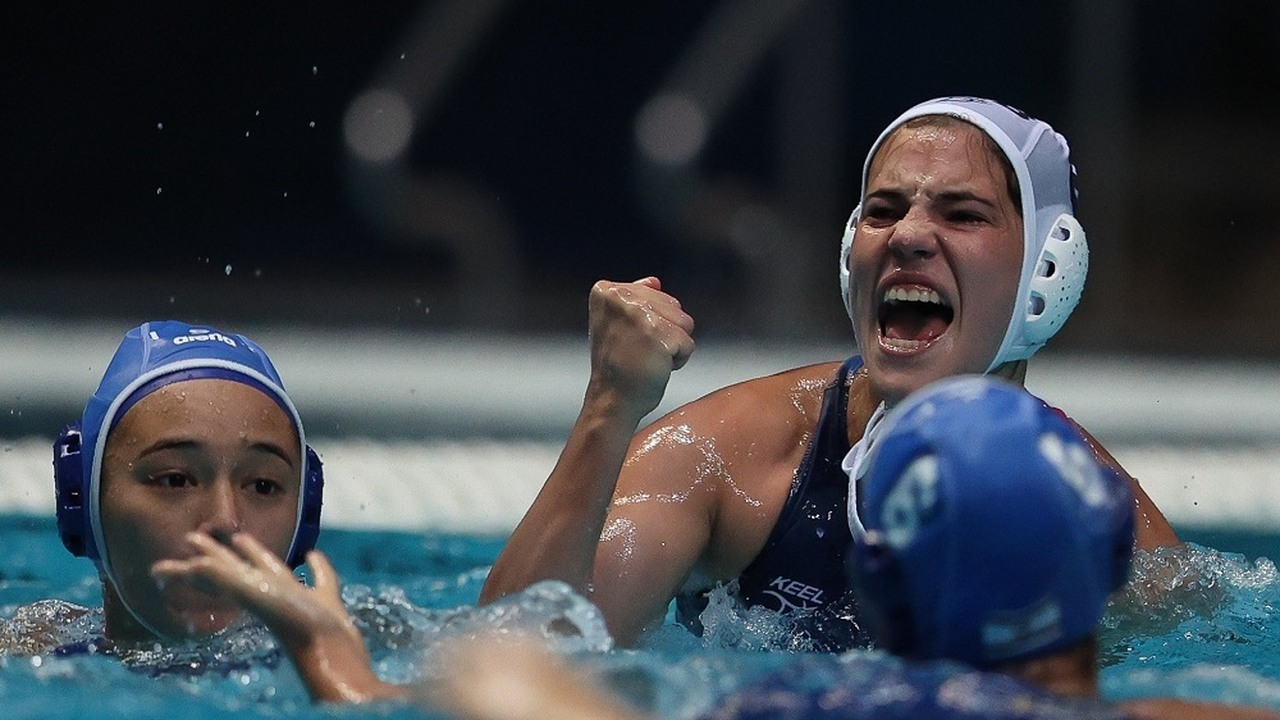
Serbia recorded its third victory at the tournament in Zagreb.
Goalkeeping is closely linked with the defenders in front. They direct shots toward planned areas when possible. The goalkeeper then reads the release and reacts.
Serbia also stopped all six Brazilian extra-player attacks. That record removed an important route toward easy goals. It was one of the clearest statistical differences.
Brazil defended several Serbian extra-player situations as well. Serbia converted two from four opportunities. The wider advantage came from denying Brazil completely.
Shots and steals remained relatively close between the teams. Serbia produced the better final result from those possessions. Goalkeeping and extra-player defence explain much of the gap.
Lovčević's saves also allowed the team to control the final minutes. Brazil never built a late scoring run. Serbia completed the victory without losing its structure.
Serbia recorded its third win of the tournament. The team had also faced strong opposition in the opening phase. Its results place it outside the medal quarter-finals.
The next group decides positions from ninth to sixteenth. Those matches continue the world championship in Zagreb. Every team receives a final position through the classification schedule. The Brazil result gives Serbia confidence before that stage. It also provides useful evidence from a complete four-quarter performance. The team improved after an uncertain opening.
Young players gain international experience from every classification match. They face teams with different styles and physical profiles. The tournament also demands recovery across consecutive days.
Serbia enters the next phase after a controlled second half. Pejić and Ćuk supplied the goals. Lovčević and the defence protected the advantage.
The 11-5 score accurately reflects that later control. Brazil led only after the opening quarter. Serbia won the remaining periods and secured its third victory.
Discuss the news - leave a comment!
Go to comments ↓
Comments
0