Safiullin Beats Fonseca Before His Wimbledon Match With Djokovic

- Author: SerbianSport
- SerbianSport
Roman Safiullin beat Joao Fonseca before facing Djokovic. That win shows he can handle pressure and arrive with confidence.
The opponent arrives with a story, not only a ranking
Safiullin's win over Fonseca was not a quiet bracket detail. It came against a young player carrying huge attention and a crowd energy that could have made the match feel larger than the round. Safiullin handled that environment and now gets the kind of opponent who brings an even heavier spotlight.
For Djokovic, that matters. He is used to facing players who arrive with nothing to lose, but Safiullin has already shown he can play through noise. The Serbian cannot assume the moment will shrink him. He has to make the tennis itself more difficult than the occasion.
Safiullin can swing freely if the score lets him
The most dangerous underdog on grass is the one who holds serve quickly and begins to swing without scoreboard pressure. Safiullin has the flat hitting to create that kind of rhythm. If Djokovic gives him clean first strikes, the match can become awkward before it becomes dramatic.
This is why Djokovic's return games should aim for accumulation. Every deuce, every second-serve return put deep, every rally extended by one more ball tells Safiullin that free swinging will not be free for long. The underdog's confidence often depends on the service games feeling painless.
| Key point | Reading |
|---|---|
| Safiullin form | He beat Fonseca to reach the Wimbledon fourth round. |
| Main threat | Flat strikes and quick holds can free his arm. |
| Djokovic response | Active experience: adjust patterns before danger grows. |
| Match reading | A useful warning, not a reason for panic. |
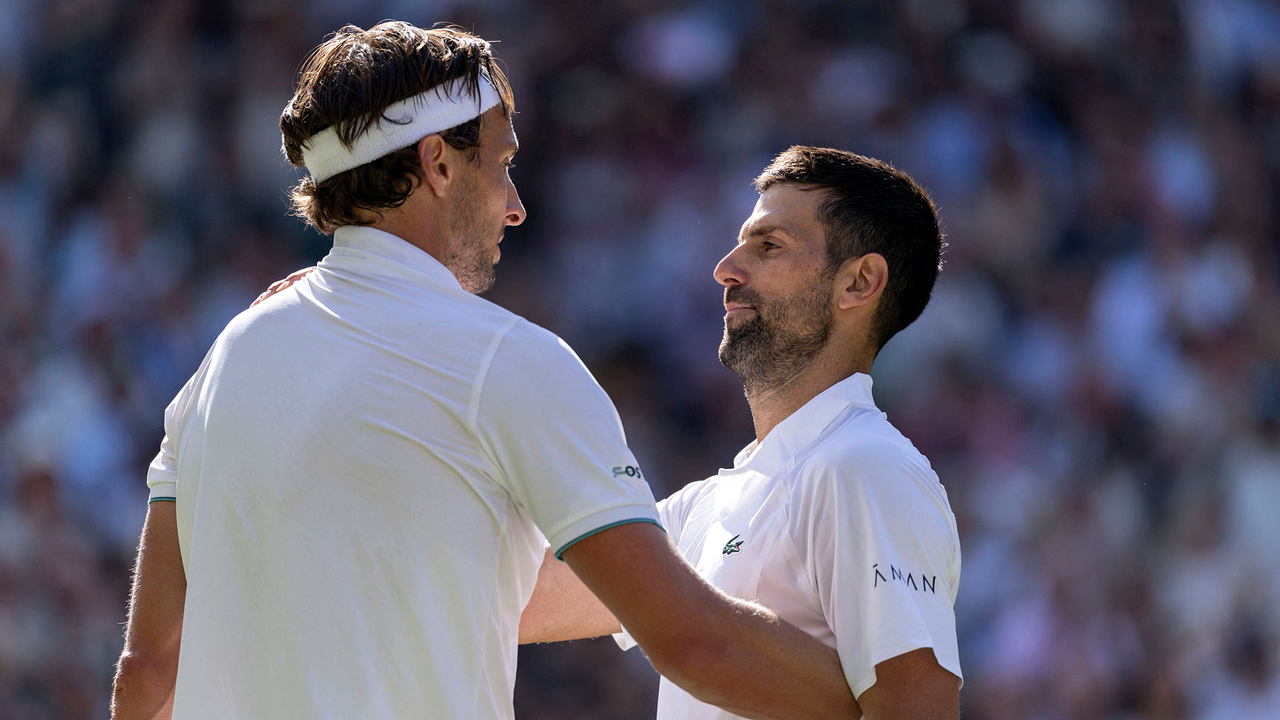
Djokovic's experience must be active
Experience is more than memory. It is the ability to change a pattern early. Djokovic cannot wait until Safiullin has won a set to adjust return depth or baseline position. The best use of his experience is proactive: test the backhand slice, change the return height, make Safiullin volley if he wants to shorten the point.
Those small changes are where Djokovic usually separates himself. He does not need to overpower the match. He needs to make Safiullin answer more questions than he faced against Fonseca.
The warning is useful, not frightening
This is not a panic matchup for Djokovic. He leads the historical and tactical reading. But Safiullin's path to the fourth round is a useful warning because it removes the idea of a passive opponent. The Russian has earned the stage and will have reasons to believe his game can travel.
For Djokovic, the correct response is not caution. It is precision. Start well, read the serve early, keep the body language calm and make the match feel like a problem Safiullin has to solve over and over again. If that happens, the warning becomes preparation rather than danger.
The Fonseca win removes the idea of a passive opponent
Safiullin's victory over Fonseca matters because it showed he can handle a match that carries outside noise. Beating a young player with attention around him is not the same as facing Djokovic, but it does prove Safiullin will not arrive only as a name in the draw. He has already solved one emotional test.
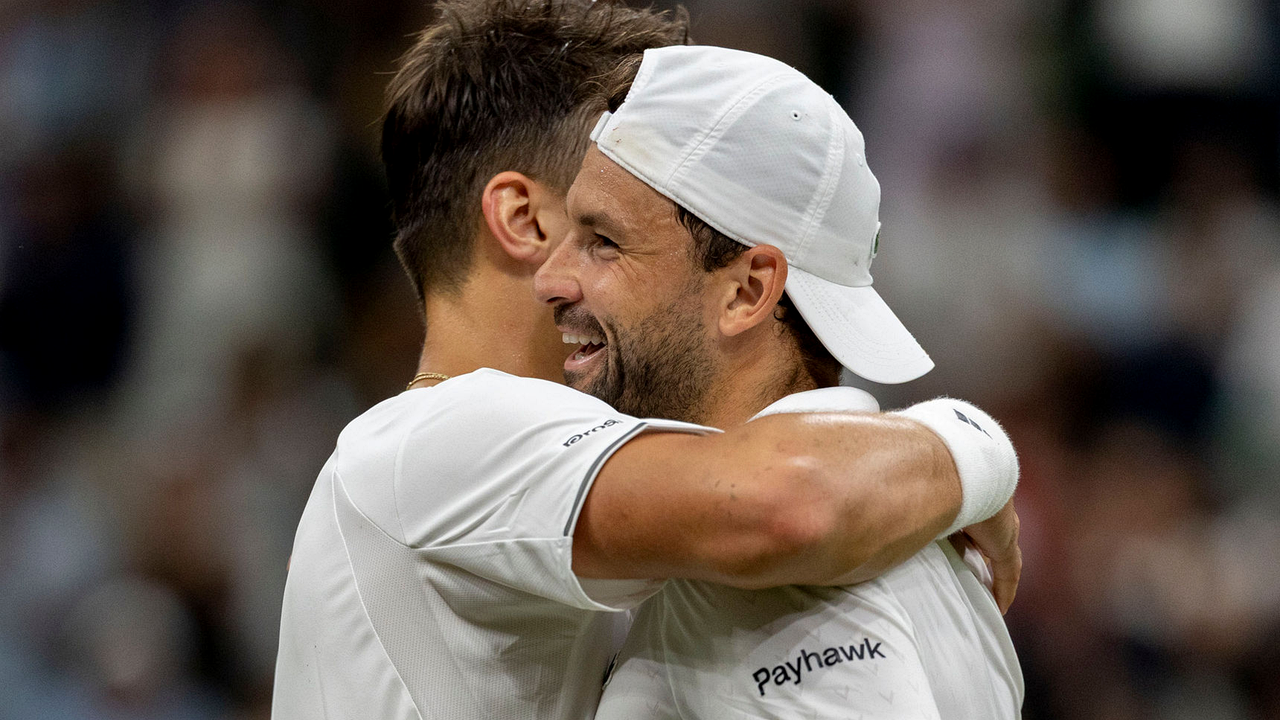
That warning should sharpen Djokovic rather than worry him. The Serbian great is at his best when he respects a threat early and starts collecting information immediately. Return position, slice depth and body-serve patterns can all be adjusted before Safiullin has time to feel settled.
The match also asks Djokovic to avoid giving the underdog easy emotional fuel. A loose service game, a visible argument with the box or a run of short returns can make Safiullin believe the grass is helping him. Djokovic usually removes that belief by making opponents play one more difficult ball.
The simple view is simple: Safiullin is dangerous enough to require attention, not dangerous enough to change Djokovic's style. If Djokovic stays precise, the Fonseca warning becomes preparation. If he starts slowly, it becomes a real match.
The warning is strongest on return games
Safiullin's confidence from the Fonseca win will show most clearly when he gets a look at second serves. Djokovic can blunt that by changing locations and using the body serve before the Russian settles into return rhythm. The earlier that variety appears, the less useful Safiullin's previous momentum becomes.
Discuss the news - leave a comment!
Go to comments ↓
Comments
0