Djokovic's Wimbledon Day Five Test Puts Rinderknech Into a Centre-Court Lens

- Author: SerbianSport
- SerbianSport
Novak Djokovic's Wimbledon Day Five meeting with Arthur Rinderknech keeps Serbian attention on Centre Court, where experience, serve pressure and early return reads can decide the tone.
The matchup starts with the serve
Rinderknech can make a grass-court match uncomfortable if the first serve lands often enough. Djokovic knows that better than anyone. The first job is not to dominate every return game immediately. It is to collect information: preferred serve direction, second-ball pattern, how quickly Rinderknech moves forward and whether the body serve is being used as a rhythm breaker.
Once Djokovic has that map, the match usually changes. He begins to make servers play one more ball, then one more decision. Against a player built around first-strike pressure, that extra decision is often where the opening appears.
Djokovic's patience remains the Serbian anchor
Serbian attention naturally follows Djokovic through Wimbledon because his matches still carry a national sporting weight. The danger is expecting every early round to look comfortable. Grass can keep opponents close longer than their ranking suggests, especially when the serve is strong and the first few games move quickly.
Djokovic's advantage is patience. He rarely treats a tight opening as a crisis. He uses it as data. If Rinderknech wins quick service games early, Djokovic does not need to force spectacular returns. He needs to hold cleanly, keep the scoreboard calm and wait until the return reads become sharper.
| Key point | Reading |
|---|---|
| Tournament | Wimbledon 2026. |
| Serbian focus | Novak Djokovic continues his campaign on Day Five. |
| Opponent | Arthur Rinderknech brings serve strength and first-strike pressure. |
| Main key | Djokovic must read the serve early and keep points from becoming short-pattern roulette. |
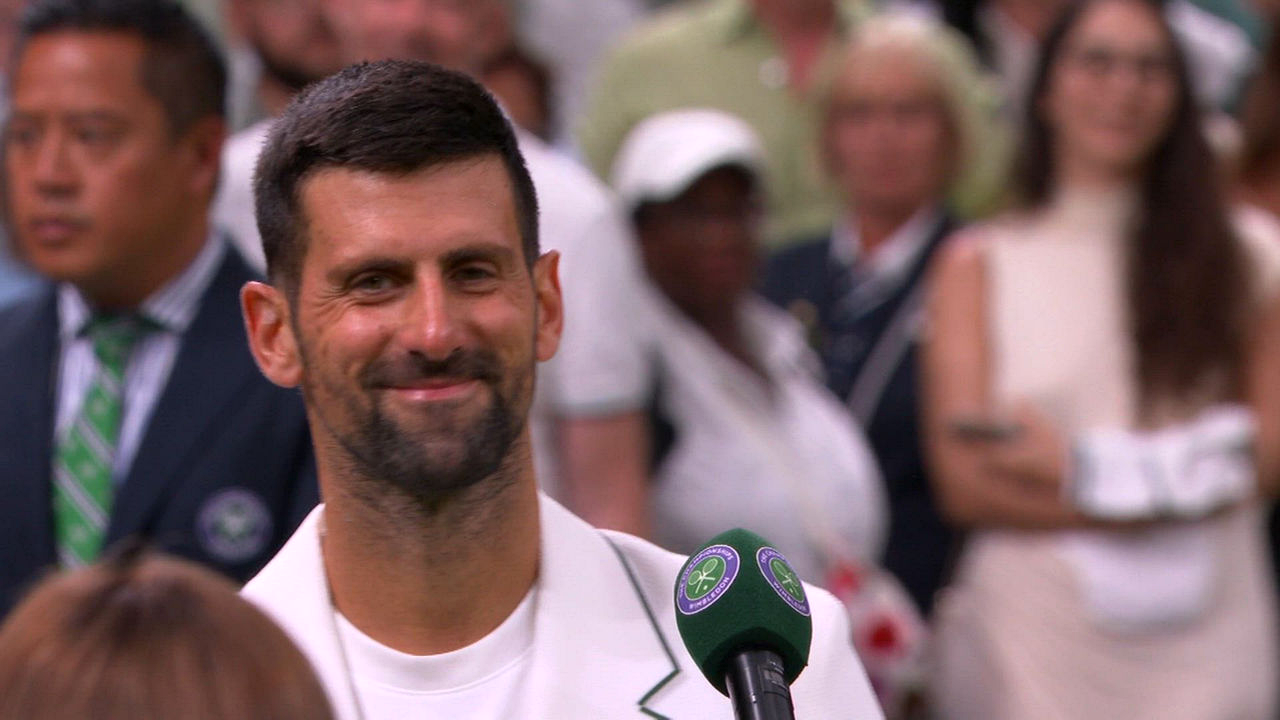
Centre Court can magnify small momentum shifts
The Centre Court setting makes small details feel larger. A missed first serve at 30-30, a net cord, a bad challenge or a late break point can change the sound of the match. Djokovic has built a career on handling that sound better than most players in tennis history.
For Rinderknech, the challenge is staying aggressive without rushing. A player facing Djokovic often feels that every chance must be finished immediately. That pressure can create low-percentage shots. Djokovic will try to make the Frenchman feel that pressure before the scoreboard becomes obvious.
The Serbian view is about progression
For Djokovic, this is not only a single match. It is part of managing the first week: enough sharpness to advance, enough physical control to protect the second week and enough mental clarity to handle awkward grass-court spells. The best Wimbledon wins often look economical rather than dramatic.
If Djokovic controls his service games and keeps Rinderknech from stacking quick holds, the match should bend toward Serbian experience. The early read will matter, but the longer the contest becomes about patterns, the more it should suit Djokovic.
The body language battle starts before the first break point
Djokovic's body language can matter before the first break point arrives. Against a server who wants short games, small signs of irritation give the opponent oxygen. Calm holds, quick resets and a visible acceptance of tight early games can make Rinderknech feel that his best pattern is still not enough.
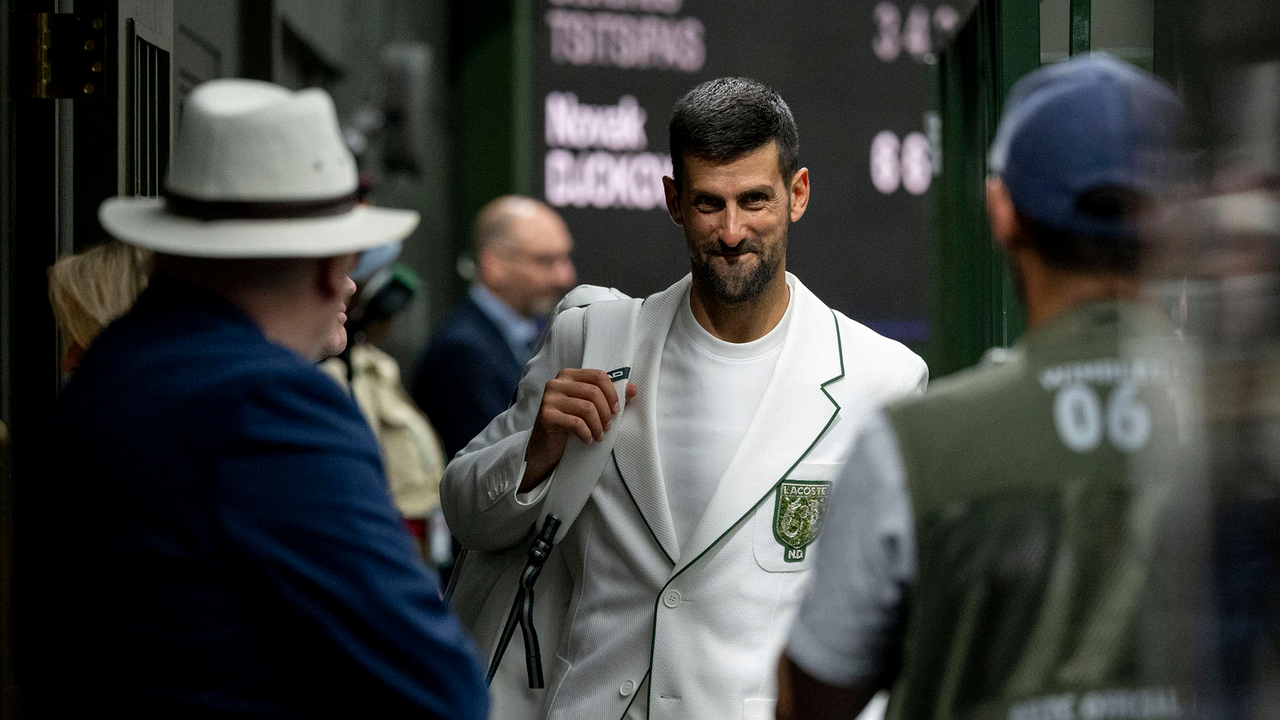
That is one of Djokovic's grass-court gifts. He can make a match feel longer for the opponent than it looks on the scoreboard. If Rinderknech senses that every service game requires perfect execution, the pressure usually arrives before the actual scoreboard danger.
The return position can change within one set
Djokovic may not keep the same return position all match. Against a tall server, he can begin slightly deeper to read the first pattern, then step forward once the direction becomes clearer. That movement can make Rinderknech feel as if the target is changing even when the serve is landing.
The adjustment is subtle but important. A server who wins easy points early often relaxes. A server who sees Djokovic gradually take time away begins to aim closer to the lines. That is when double faults, second-serve pressure and shorter service games can appear.
The scoreboard should not dictate the return plan too early
Djokovic should resist changing the return plan after one or two quick Rinderknech holds. Grass can make a server look untouchable for ten minutes before the pattern suddenly appears. The important part is staying close enough on serve that those return reads still have value when the first loose service game arrives.
That patience is why the match can tilt late in sets. Djokovic does not need every return game to become a siege. He needs enough touches on the ball to make Rinderknech serve with doubt when the score reaches the pressure points.
Related context: Serbian tennis context and Wimbledon Serbian focus.
Discuss the news - leave a comment!
Go to comments ↓
Comments
0