Djokovic Ties Federer's Wimbledon Mark and Draws Safiullin's Grass Test

- Author: SerbianSport
- SerbianSport
Novak Djokovic beat Arthur Rinderknech in four sets at Wimbledon, tied Roger Federer's men's singles mark of 105 wins at the tournament, and moved into a meeting with Roman Safiullin that should not be treated as a routine checkpoint.
The record line is clean
Djokovic's 7-5, 6-4, 1-6, 7-6 win over Rinderknech was not the cleanest performance of his Wimbledon career, but it was enough to reach another historical marker. Matching Federer's 105 men's singles wins at Wimbledon gives the result a weight that goes beyond the round itself.
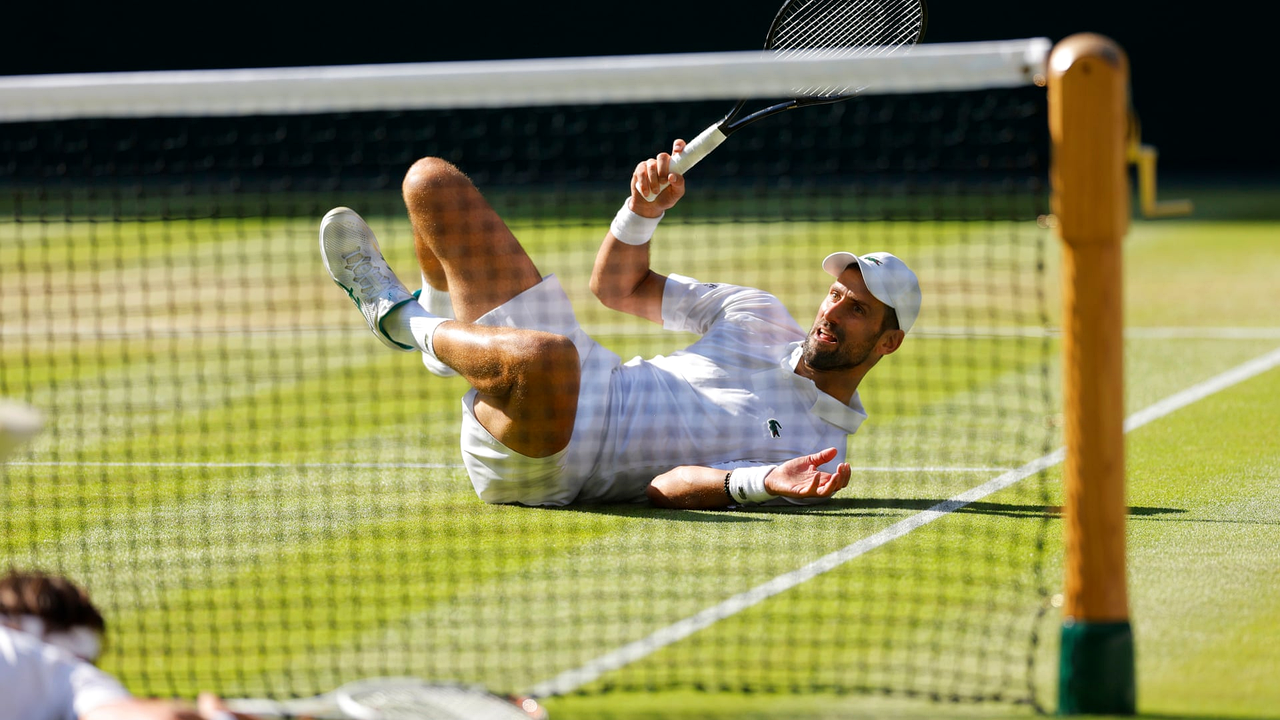
The third set is the part that keeps the story grounded. Djokovic did not cruise through the match without resistance. Rinderknech took a set and forced the fourth into a tie-break, which means Djokovic had to close with pressure rather than ceremony.
Safiullin is a different kind of opponent
Roman Safiullin reached the next round by beating Joao Fonseca in straight sets, and that matters because he arrives with rhythm rather than survival fatigue. Djokovic leads their head-to-head 3-0 and has not dropped a set against him, but this will be their first grass meeting. That surface detail should stop the matchup from being dismissed too quickly.
Djokovic's Wimbledon day five test already showed that the Serbian great can be dragged into uneven passages. Safiullin's job is to make those passages longer and more expensive. If he cannot, Djokovic's return quality and point construction will likely squeeze the match back into familiar territory.
| Key point | Reading |
|---|---|
| Result | Djokovic beat Rinderknech 7-5, 6-4, 1-6, 7-6. |
| Record | He tied Federer's Wimbledon men's singles record of 105 wins. |
| Next opponent | Roman Safiullin, who beat Joao Fonseca in straight sets. |
| Head-to-head | Djokovic leads Safiullin 3-0, but this is their first grass meeting. |
The body language question
At this stage of Djokovic's career, opponents watch not only the scoreboard but the body language between points. Any sign of frustration or physical management becomes a target. The Rinderknech match offered a few openings, but Djokovic still handled the decisive fourth-set tie-break with the kind of clarity that has defined his grass career.
Safiullin needs to test movement early, especially out wide, without overplaying. Giving Djokovic pace with no angle is rarely enough. The Russian qualifier has to make the match physical in the right way: more direction changes, more first-strike pressure and fewer neutral rallies that Djokovic can reset.
A familiar champion with a live problem
The next round will be framed by the Federer mark, but Djokovic cannot play the number. He has to play the opponent. Wimbledon history helps explain the scale of his achievement; it does not break Safiullin's serve or protect a loose service game.
The useful Serbian reading is that Djokovic advanced while being tested and still closed. That is often enough in week one. The deeper question is whether the uneven third set was a warning or just a temporary dip on the way to another run.
The record should not hide the warning set
Djokovic tying Federer's Wimbledon win mark is the headline, but the dropped third set against Rinderknech is the detail Safiullin will study. It showed that Djokovic can still be forced into a match that loses its clean rhythm. The question is whether Safiullin has the tools to extend that kind of discomfort rather than only create it briefly.
Grass makes the matchup more delicate than the head-to-head record suggests. Djokovic has beaten Safiullin before without dropping a set, but a first grass meeting changes the serve-plus-one patterns and the way return pressure accumulates. Safiullin needs free points and short attacking sequences because long neutral rallies usually drift toward Djokovic's terms.
For Djokovic, the useful response is not chasing a perfect performance. It is tightening the service games that prevent an underdog from believing. If he keeps scoreboard pressure steady, the historical number becomes a platform. If he offers loose stretches, the next opponent has enough evidence to make the match uncomfortable.
Return games remain the real pressure tool
Djokovic's return games will still be the clearest pressure tool. Safiullin can serve well for stretches, but if Djokovic starts putting the second ball at his feet and forcing one extra volley, the grass matchup can shift without a long rally ever developing.
That is why the next round is dangerous but manageable. Djokovic does not need to dominate every service game if he keeps asking questions on return. Over time, that pressure usually turns one loose game into the set that matters.
Discuss the news - leave a comment!
Go to comments ↓
Comments
0