Djokovic leaves Wimbledon with a hard but useful answer about Sinner

- Author: SerbianSport
- SerbianSport
Novak Djokovic's Wimbledon loss to Jannik Sinner was heavy, but it gave a clear answer. The problem was not only tactics. Sinner made the match faster than Djokovic could manage on the day.
The score showed the pace of the match
Sinner's straight-set win did not leave much room for a soft reading. Djokovic was behind in the rallies, behind on the return and under pressure after the first serve. He created only one break point, and Sinner saved it with an ace. That detail explains the whole match well. Djokovic did not get enough chances to turn the pressure back.
The defeat hurts because Wimbledon is the place where Djokovic usually finds solutions even when the match starts badly. This time the rhythm moved away from him too quickly. Sinner served with variety, landed the first strike after the serve and kept the baseline points short enough to stop Djokovic from building his normal control.
The honest words matter
Djokovic spoke with rare directness after the match. He accepted that Sinner was better and that his own body was not reacting as quickly as his mind wanted. That is an important point because it removes the need for dramatic excuses. He knew where the ball was going, but he was often half a step late. At this level, half a step is the difference between a neutral ball and a forced error.
That honesty should not be confused with surrender. Djokovic has built a career on adjusting after pain. The difference now is that the adjustment has to respect age and recovery more than before. He cannot treat every Grand Slam as if the body will automatically answer. The preparation must become even more exact, and the schedule around the biggest events may need to stay narrow.
| Djokovic note | Main note |
|---|---|
| Match result | Sinner beat Djokovic in three sets and controlled most service games. |
| Main issue | Djokovic was often late to the ball even when he read the point correctly. |
| Next focus | Recovery, serve protection and early return depth must become the priority. |
Also read: Markovic's Summer League line gives Milwaukee and Serbia a real first note. More news: Partizan's rebuild now needs trust as much as transfer money.
Sinner's serve changed the return battle
The most practical problem was Sinner's serve. Djokovic could not attack it often enough, and the second shot behind the serve came with real force. When a returner cannot create depth, the server controls the next swing. That made many rallies feel decided before Djokovic had a chance to use his reading of the court.
Sinner also mixed the direction well. He did not give Djokovic a simple pattern to sit on. A wide serve opened space, a body serve removed the arms, and a deep second serve stopped an early step forward. Djokovic has broken many strong servers by reading small habits. In this match, there were not enough habits to punish.
The recovery question is now central
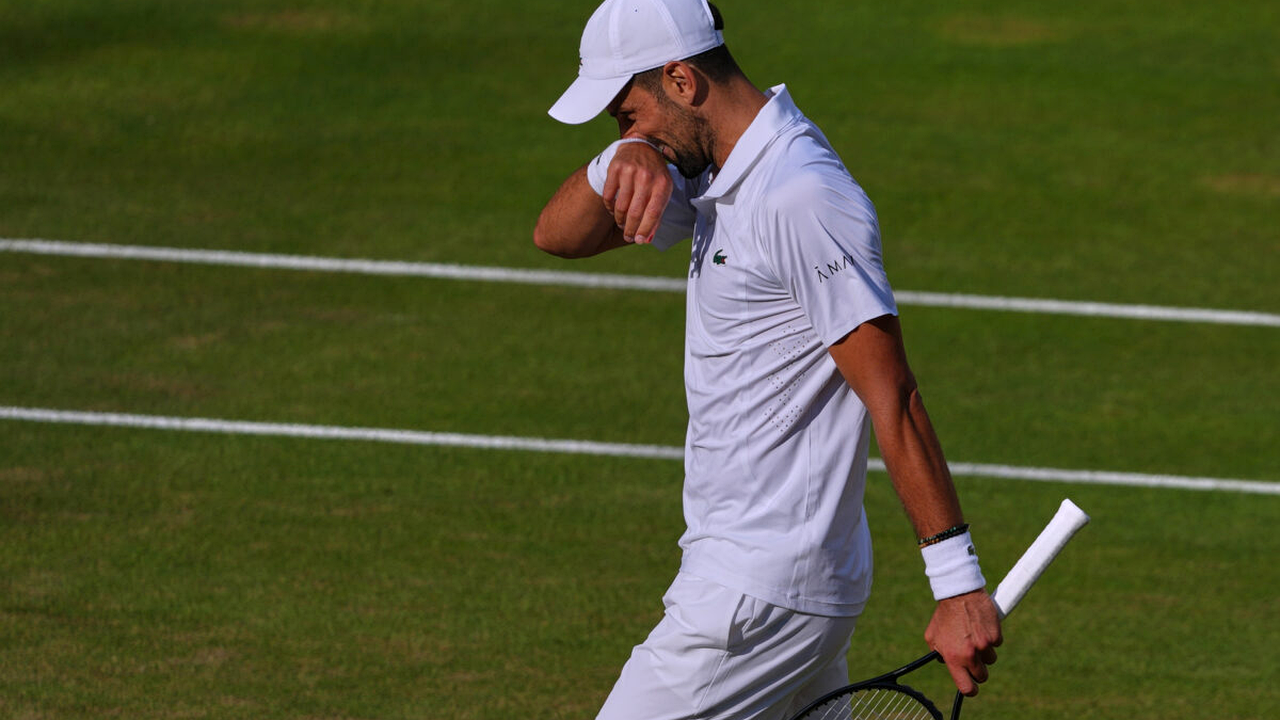
The match also made recovery the main issue. Djokovic can still play elite tennis, but he needs freshness to stay with the fastest opponents. If he enters a semifinal slightly drained, Sinner and Alcaraz can make every late reaction visible. That is not a small problem at thirty-nine. It changes the way a tournament has to be planned.
The answer may be less tennis before the biggest events, sharper blocks of training and a stronger focus on first-strike patterns. Djokovic does not need to become a different player. He needs to protect the first four shots of the rally so the younger opponent cannot turn every point into a speed test. That is a realistic adjustment if the body is managed well.
The legacy is safe, the decision is personal
The loss does not damage Djokovic's place in tennis history. Nothing from one semifinal can do that. The real question is personal: how much does he want to keep paying the physical price to chase another major title? His answer was not a retirement message. It was a careful admission that the road is harder.
That distinction matters for Serbian fans. They do not need to read every defeat as the end. They can respect the level of the opponent and still understand that Djokovic remains competitive. The line is thinner now, but it still exists. He can return to Wimbledon if the body gives him the right base and if the preparation is built for short, sharp dominance. The next plan should therefore protect energy first, then let ambition speak through the matches that matter most.
The next lesson is simple
The useful lesson from the Sinner match is not emotional. Djokovic needs more free points, more early depth on return and fewer long recovery fights before meeting the fastest players. If those pieces improve, he can still make a Grand Slam draw uncomfortable for anyone. If they do not, the same speed problem will return.
Sinner gave the clearest possible measure of the current gap. That is painful, but it is also useful. Djokovic now knows exactly which parts of the match must be protected. The answer is not romance. It is recovery, serve quality, return depth and the calm decision to build the next run around what the body can truly give.
Discuss the news - leave a comment!
Go to comments ↓
Comments
0