Djokovic against Sinner starts with recovery and serve control

- Author: SerbianSport
- SerbianSport
Novak Djokovic faces Jannik Sinner in a match that needs a clear plan. The main themes are recovery, serve quality and a way to slow Sinner's fast rhythm.
Recovery comes first
Djokovic does not enter this match with only tactical questions. He also needs to know how much his body can handle long rallies, quick changes of direction and repeated moves forward.
That does not mean he has to play slowly. It means he has to choose the right moments. If he saves energy in the early games, he can attack with more confidence later.
The serve has to help
The serve is the shortest route to a calm game. Djokovic needs strong first serves, but the second serve also matters. Sinner will wait for any ball that is short or too easy to read.
Changing direction and speed will be important. If Djokovic serves the same way too often, Sinner can settle. If the serve changes, Djokovic can win more short points and protect his legs.
| Djokovic note | Main note |
|---|---|
| Main theme | Djokovic needs to protect his body and avoid too many long rallies. |
| Best route | Serve quality, first-shot control and frequent pace changes. |
| Sinner danger | Early ball contact and steady pressure from the baseline. |
Also read: Red Star's Champions League path now depends on a kind draw and sharp timing. More news: Serbian rowers made Henley history by winning with patience.
Sinner will look for a fast rhythm
Sinner is dangerous because he takes the ball early and gives the opponent little time. He does not need to finish every point with a huge shot. He only needs to make Djokovic late by half a step.
Djokovic cannot accept the same pattern in every rally. If the point is played at the same speed again and again, Sinner gains control. If the pace changes, the match becomes harder for him to read.
Changing pace can be the key
Djokovic can use the slice, a deep ball and a shorter shot when the court is open. These are not extra details. They are ways to move Sinner away from his best hitting position.
The change has to be simple. A bad risk gives Sinner an easy attack. A well-chosen change of pace can bring a short ball and open the point for Djokovic.
Body language must stay calm
Sinner will watch Djokovic's reactions between points as well as his shots. If he sees tiredness, he can attack harder. Djokovic has enough experience to hide those moments and keep the match calm.
He does not need to pretend that everything is easy. He only needs to stay composed after a hard point, take time before the next serve and stop one poor game from changing the whole match.
The winning plan is clear
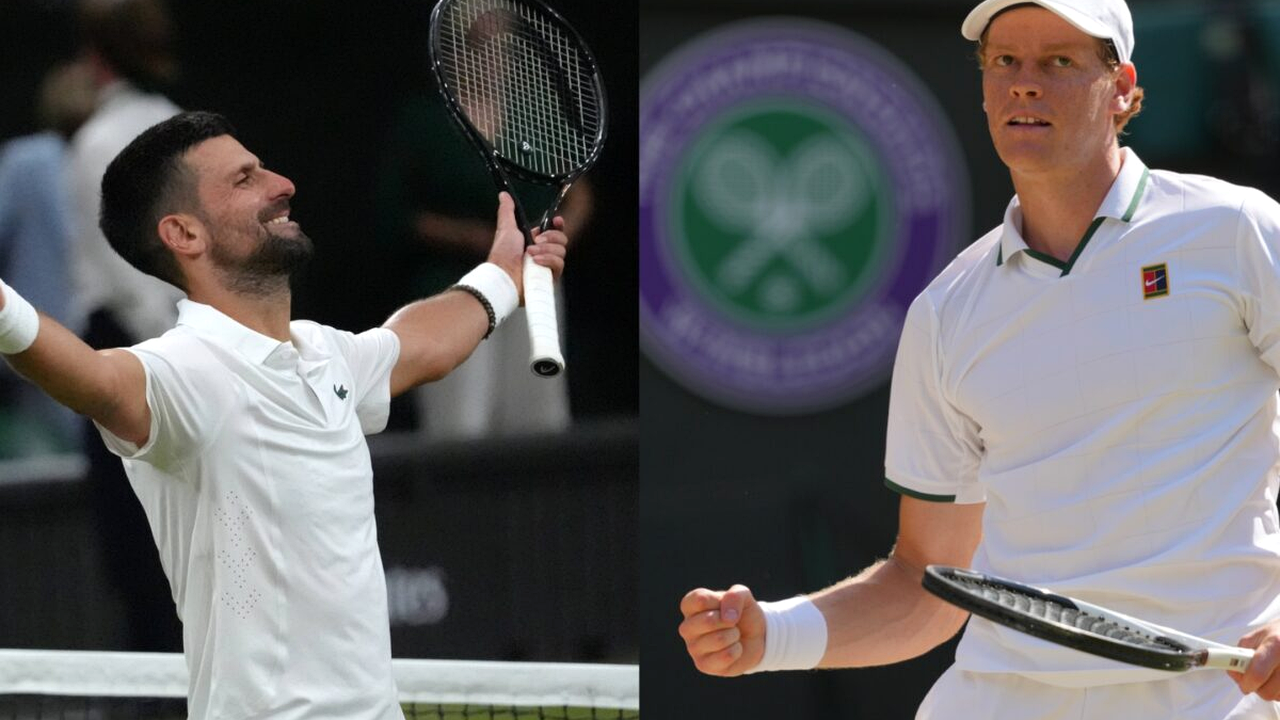
Djokovic's chance starts with good recovery and steady serving. After that, he needs a smart first shot, without rushing and without trying to finish every point immediately.
Sinner has power and speed, but Djokovic has experience in matches decided by small choices. If he avoids long runs of the same rally, he can move the duel into a place that suits him better.
The first set will tell a lot
The start will show whether Djokovic can hold serve without too much effort. If he wins several short points early, Sinner will not be able to build pressure immediately.
If Sinner enters every service game early, Djokovic will have to change the plan faster. The first set is not only about the score. It shows who controls the rhythm more easily.
Return games need patience
Djokovic does not have to attack every Sinner service game. Some return games can be used to read the serve pattern, test the second shot and make Sinner play one more ball than he wants.
The key is to stay close on the scoreboard. If Djokovic keeps holding serve, one strong return game can be enough to change a set. That is why simple returns and clean depth can matter more than early risks.
Short points must be chosen well
Short points are useful only when the opening is real. A rushed drop shot or a forced winner can give Sinner easy control. Djokovic needs to shorten rallies with good serve placement and smart first shots.
When the court is open, he can move forward. When the ball is neutral, he should not give away balance. This clear choice can keep the plan easy to follow during the hardest games.
Tie-breaks will reward calm choices
If the set reaches a tie-break, the match will become even more direct. Djokovic must protect the first point on serve, make Sinner hit under pressure and avoid the loose error that gives away a mini-break.
Sinner has enough power to win quick points, so Djokovic needs to make every point feel different. A body serve, a wide serve and a slower rally ball can all help him stop one rhythm from taking over.
Discuss the news - leave a comment!
Go to comments ↓
Comments
0