Covic Opens Boys RTC as Serbia Basketball Adds Another Development Base

- Author: SerbianSport
- SerbianSport
The opening of the boys RTC gives Serbian basketball a concrete development point rather than only another calendar activity.
Youth development becomes stronger when talent identification, coaching language and regional access are connected in one repeatable programme.
What the update actually changes
The factual start is direct: kSS president Nebojsa Covic opened the RTC programme for boys. The value of the news is in the reaction it creates. That makes the event a practical investment in the next player layer, and that gives the next match or camp a clearer reference point.
The RTC opening is a development story because it gives Serbian basketball a repeatable place to find and teach young players. The second part of the story is that the project gives young players a structured development setting. A centre matters only if the work inside it becomes regular.
Where the pressure appears
Regional centres help the federation see talent outside the largest clubs. That matters because that is important for a country that cannot rely only on one city or one academy.
The practical layer is regional access, shared coaching language, early footwork habits and a clearer route from club work to federation attention. Boys' development depends on early habits as much as early physical tools and that is why the next response has to be measured through details, not only emotion.
Coaches can use the RTC to standardise teaching language. A shared standard helps players move between club and national-team systems. This is the kind of detail that separates a useful step from a headline that disappears after one day.
Key details
| Area | Detail |
|---|---|
| Project | boys RTC opened by KSS |
| Focus | youth basketball development |
| Main value | regional talent identification and shared coaching language |
| Next check | players progressing toward stronger team contexts |
Why the detail matters beyond the headline
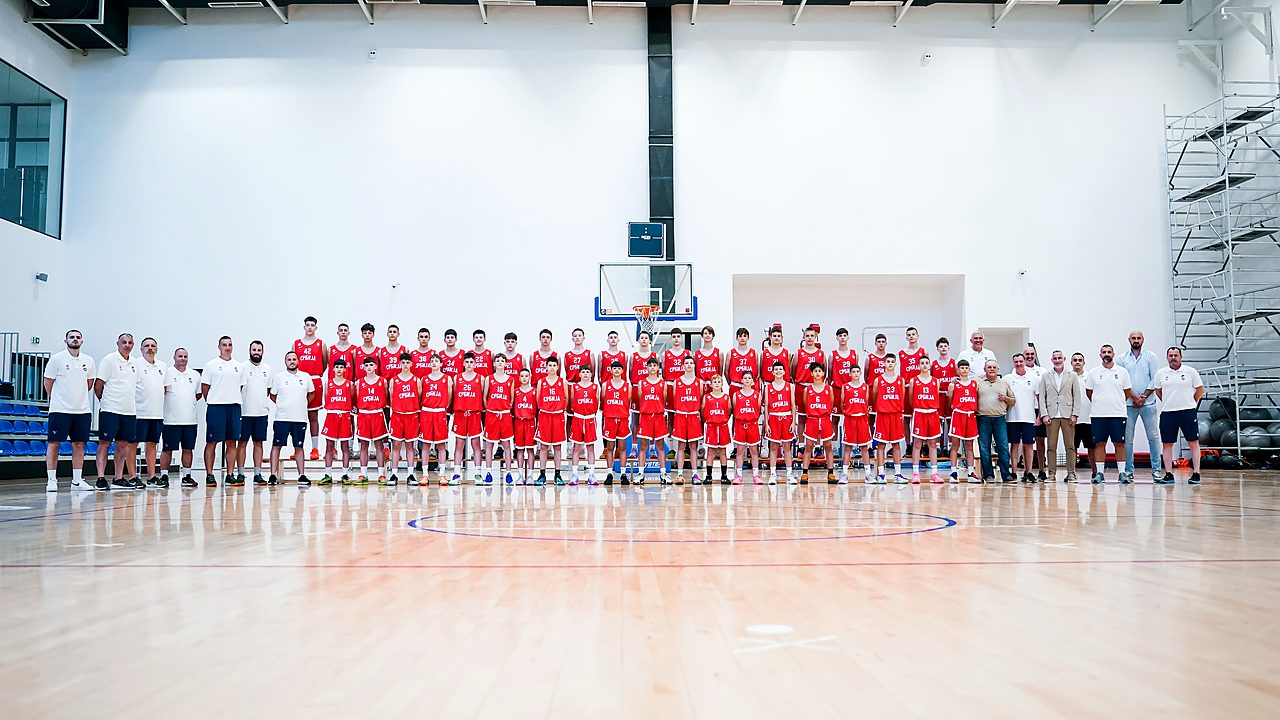
The programme gives families and clubs a clearer route into federation work. That clarity can reduce the gap between local promise and elite selection. Without that part, the positive signal would remain isolated rather than becoming a working base.
Serbia's basketball depth depends on keeping the youth base wide. Wide scouting is the safest protection against missing late developers. That gives the next training block, game or selection call a more concrete purpose.
The next value will be measured by how often the centre produces national-team candidates. That is the real test beyond the opening ceremony. The practical value is that the story now has something measurable attached to it.
Serbian basketball has always depended on more than the top senior team. The strength of the system comes from how early good habits are taught and how widely the federation can see young players.
The boys RTC fits that need because it gives development a fixed place and a repeatable schedule.
For young players, the value is not only technical. It is exposure to higher standards, clearer feedback and a better understanding of what the federation expects.
For coaches, the centre can become a place where details are aligned: footwork, spacing, defensive position and decision-making language.
That is how a development project becomes more than a photo from an opening day.
The real result will be visible when players from the programme begin to appear in stronger club and national-team contexts.
The next proof point
The next check should stay connected to this news rather than being treated as a separate item. In boys' basketball development, small details show progress quickly: communication, spacing, timing and the ability to repeat a plan under pressure.
That is why Covic Opens Boys RTC as Serbia Basketball Adds Another Development Base has more value than a short announcement. It gives readers a way to follow the next decision, the next match and the way the staff uses the evidence already available.
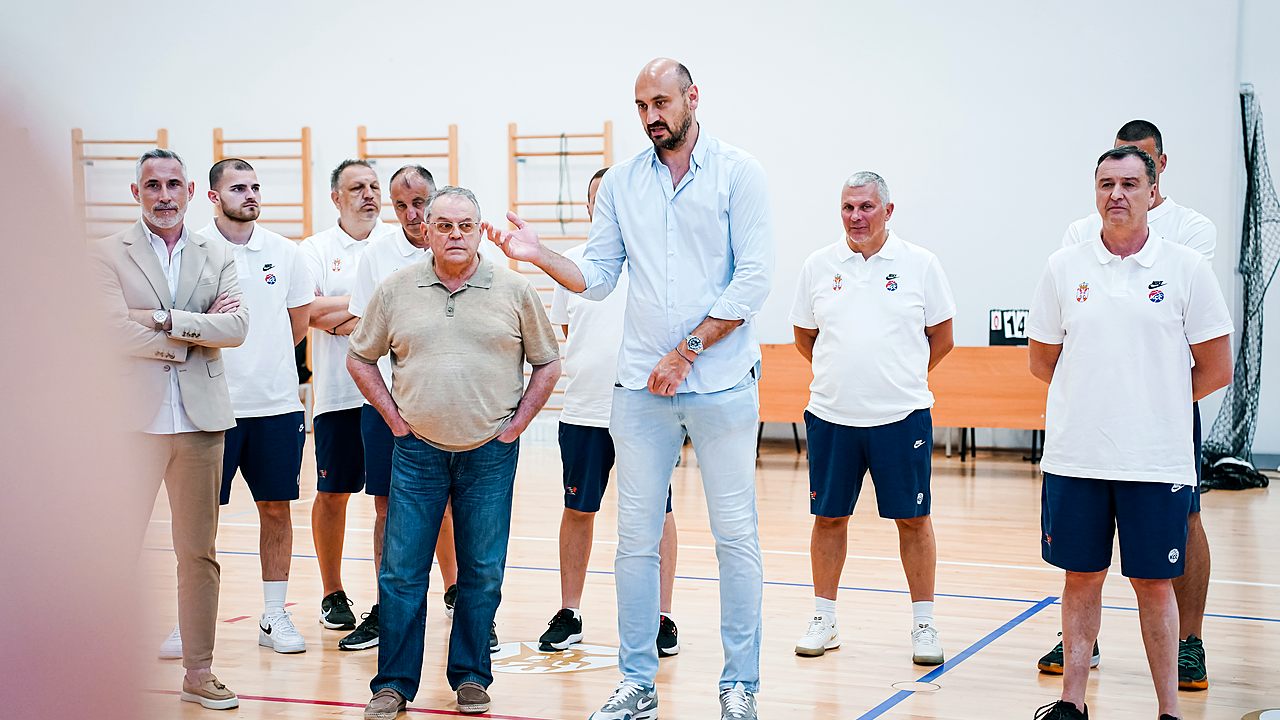
The RTC opening matters if it becomes daily work. Serbian basketball's next advantage has to be built before the senior jersey appears.
Another useful layer is regional access, shared coaching language, early footwork habits and a clearer route from club work to federation attention. It may not always look spectacular, but it decides whether the positive signal becomes a stable working pattern.
When the next check arrives quickly, the main task is to keep the link between plan and execution. If that link holds, the current news gains stronger value.
The staff will also measure the quieter details: communication, spacing, timing and the first reaction after pressure. Those details are often more reliable than one attractive result.
A good next step would make the current news feel connected to the wider programme. A weaker one would reduce it to a short update without much carry-over.
This is why the story should be followed through the next practical decision. The next line-up, camp or game will show whether the positive signal has been absorbed.
The result or appointment matters most when it changes everyday work. That is the difference between a useful base and a headline that fades quickly.
The wider calendar gives the news extra meaning. Serbia do not need a dramatic reaction as much as they need a repeatable answer built from the same details.
That repeatability is the real test. If it appears again, the current step becomes part of a clear direction rather than a single encouraging moment.
The next practical layer is the way the group carries the same habits into a different setting. A result means more when it survives a new opponent, a new hall or a new training week.
That is why the following check should be calm and concrete. The important question is whether the same strengths remain visible when the match rhythm changes.
Serbia can use this moment as a reference point, but only if the staff turn it into clear demands. Players need to know which details were good enough and which still require work.
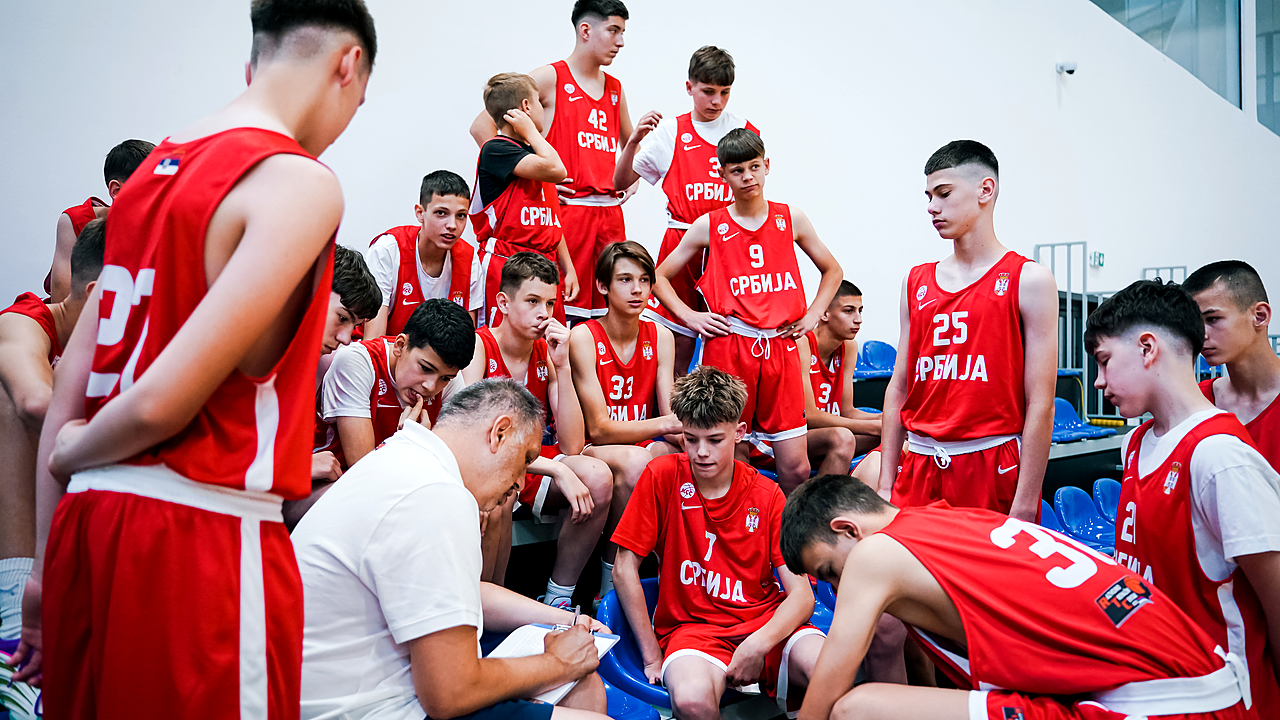
A precise debrief gives the news a longer life. Without it, the same information becomes a line in the calendar instead of a step in development.
The wider value is not in exaggerating the moment. It is in reading what the moment reveals about preparation, roles and the ability to respond before pressure grows.
Those parts will decide the follow-up. When they are organised, Serbia can build from a result or appointment without depending on emotion alone.
The story also has a human side because each player or staff member must understand how the detail affects daily work. That makes the next session more than a routine continuation.
If the group carries the message correctly, the next match should look more controlled in the areas named above. That is the real proof of progress.
This frame keeps the news close to the sport itself. It avoids treating the update as a slogan and instead follows the actions that can be checked on court, in the pool or inside the programme.
The next result will not explain everything, but it can show whether the direction is becoming clearer. That is enough to make the story worth tracking.
A separate point is the way pressure travels through a national-team schedule. One good answer can steady the room, but the staff still need the next few days to confirm the trend.
That means the most important evidence may be quiet: cleaner choices, fewer rushed decisions and a group that recognises the same situations earlier.
The federation angle is also practical. Development or senior results matter most when they create a route for the next selection, camp or tactical adjustment.
If that route becomes visible, the current news helps the programme organise itself. If it stays vague, the positive moment will be harder to use.
The final reading should stay close to the people involved. Players and coaches have to turn the public signal into habits that survive travel, fatigue and a different opponent.
Discuss the news - leave a comment!
Go to comments ↓
Comments
0